
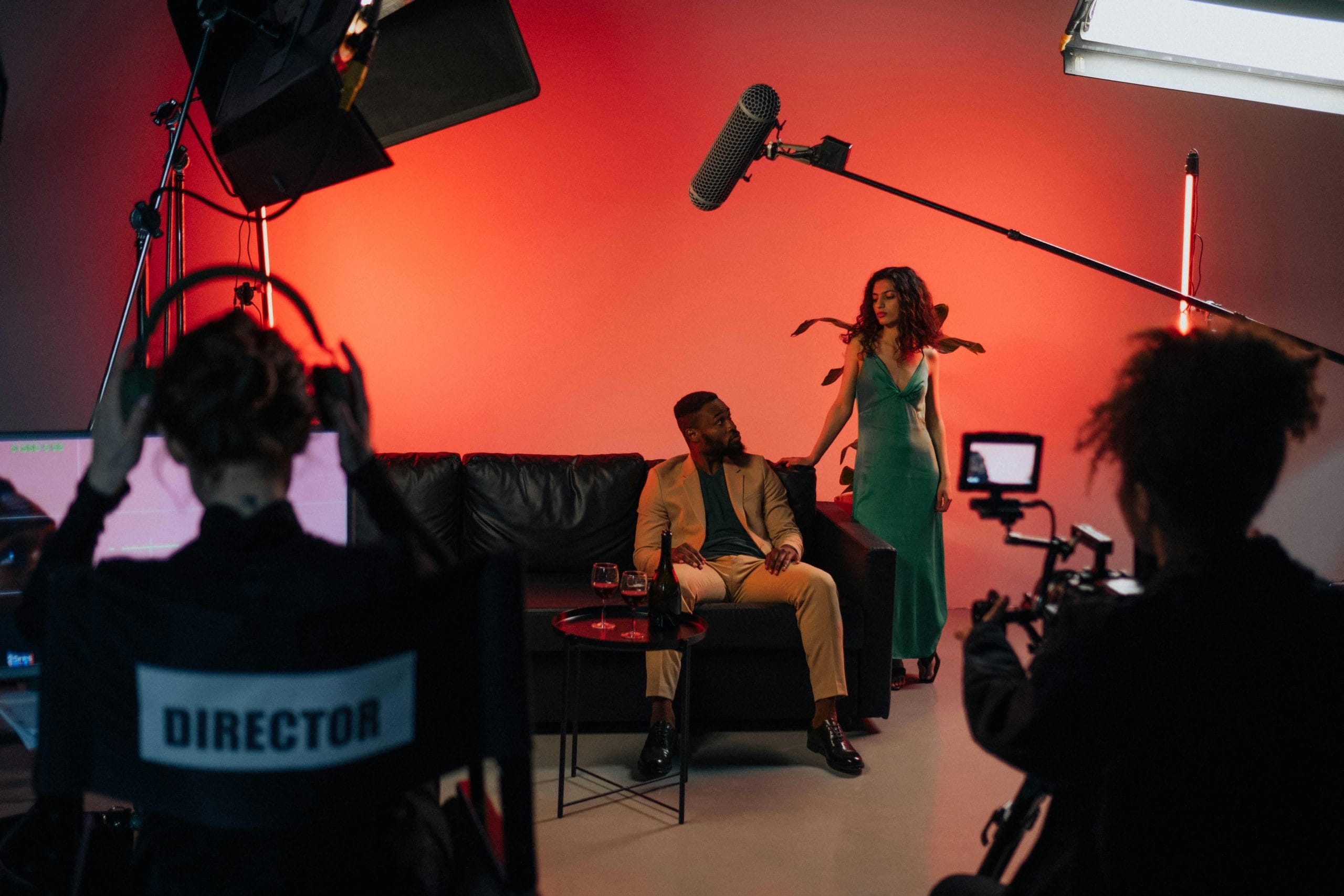
New media isn’t that new any more, but film students can sometimes be forgiven for thinking about films in a very twentieth-century way, when movie-making was first developed and later–many would argue–perfected.
So today, what does the advent of digital technology mean for filmmakers and critics of movies alike? How should students of film be appraising movies in an age where AI-generated imagery is challenging the status quo?
Student dissertations should be professionally presented
First, students should consider what they are meant to learn, and what it means for their careers. To be a successful film studies student these days means conforming–to an extent–to the way the subject has always been taught.
The pace of technological development is so great in digital filmmaking that often teachers don’t have a handle on the latest trends, and the basis of the studies is to teach the fundamentals that filmmakers need to know. In some cases, avant-garde ideas take some time, and may come later in your studies. Final dissertations and essays still tend to pack more of a punch, for example, when they’ve been physically printed by professionals by respected firms like BachelorPrint.
Taking the time to make a podcast or a video diary to express your ideas may be a great way to develop your thoughts and style, but you may still be expected to present your work on paper for your classes. In other words, the world of filmmaking may have gone through a revolution in recent years but this doesn’t mean that the world of academia has and it’s important not to mix up the two.
Propaganda abounds in the digital age
With an almost constant level of access to films, even if they’re primarily in a shortened format for the so-called Tik-Tok generation, it is hard to escape just how pervasive new media is today. One of the undoubted downsides of social media is that it’s available in our pockets 24/7, but that can make it harder and harder to get to the truth.
That being said, imagery has always been used for propaganda, as the documentary The Art of Selling Lies makes clear. After all, most students treat the concept of ‘fake news’ as something of the twenty-first century, when the reality is that it’s always been around. What’s changed, perhaps, is perceptions around it due to its greater prevalence in the digital age, and how easy it is to share today.
New media offers a democratized platform
New media has some clear downsides for filmmakers but there are considerable upsides, too. Never before has it been so easy to distribute filmic ideas to the public. When an upload to a digital streaming platform, such as YouTube, is so straightforward, filmmakers can no longer complain their work is being suppressed by recalcitrant distributors unwilling to take a chance on their work.
Of course, this also means that there are more filmmakers competing for attention, but that’s something aspiring film producers have always faced. It’s the best reason to work hard, and try harder each and every time you make something.
Conclusion
Today, investing in film studies in Canada can lead to a long and successful career in the media. However, new graduates must understand that recent changes in the industry are only likely to become more pronounced as technology develops and audiences adapt to the way films are made. Learning from film history, and understanding the tools of today, will help you on your filmmaking journey.
Photo by Ron Lach.
