
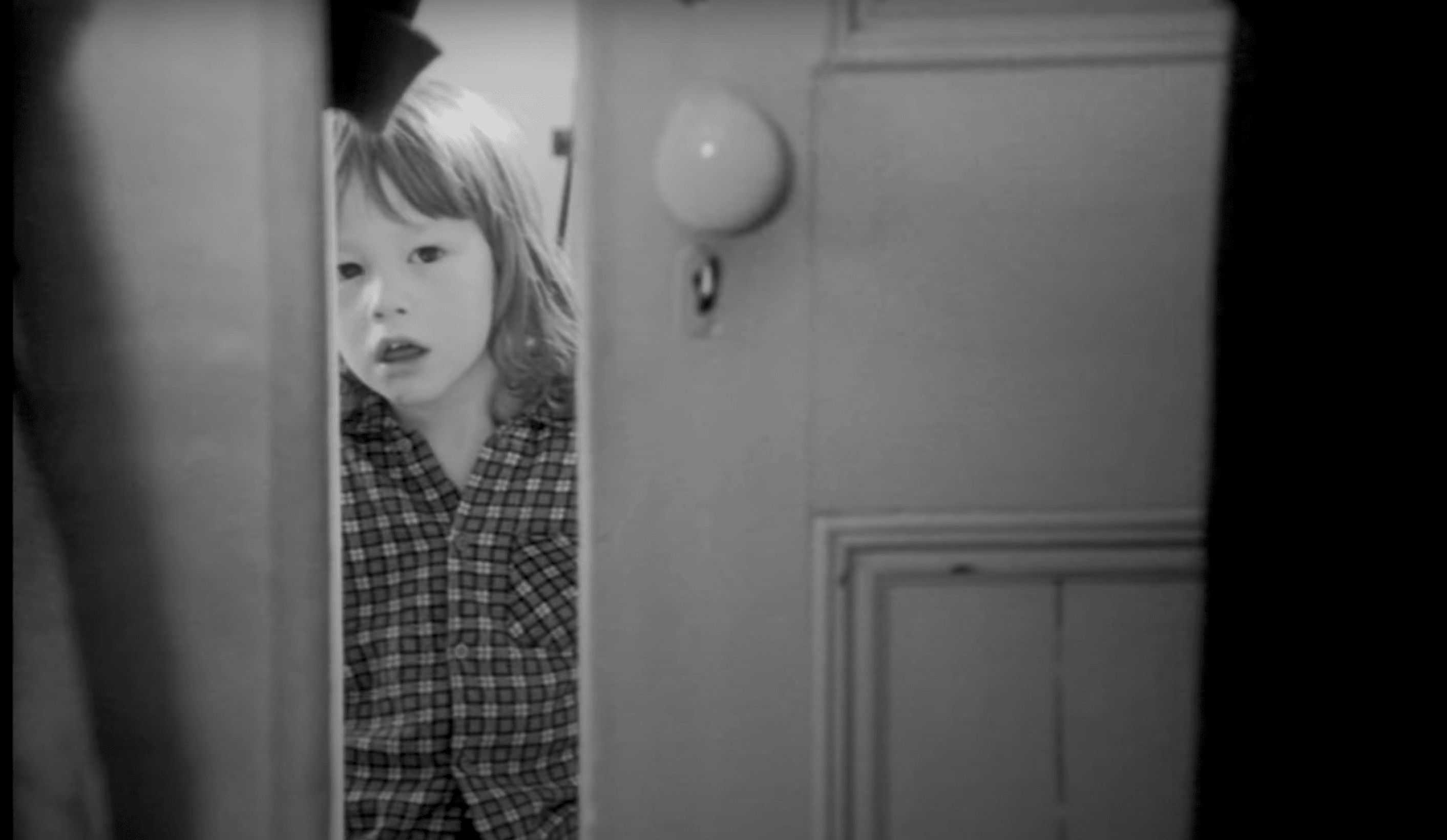
Michel Brault’s 1974 blending of drama and documentary, Orders (Les Ordres) became one of the finest and most incendiary films in Canadian history almost immediately upon release. A stark, unflinching examination of the fallout from the 1970 October Crisis in Quebec, Orders hasn’t declined in impact or timeliness, especially in a modern world where citizens in many countries fear their own government turning against them. Exceptionally restored by Éléphant from a variety of original 35mm sources (negative, interpositive, and internegative) and released on Blu-Ray in an outstanding package from Canadian International Pictures, Orders remains a powerful work of politically charged cinema and human struggle.
Following their bombing of the Montreal Stock Exchange in 1969, the socialist and separatist FLQ (Front de libération du Québec) mounted a larger and more targeted attack on October 5, 1970, with the kidnapping British diplomat James Cross from his Montreal home, and then abducting Provincial Labour Minister Pierre Laporte several days later. In response to the FLQ, Prime Minister Pierre Elliot Trudeau enacted the War Measures Act to shake down any sympathizers, past and present associates, and assorted rabble-rousers or socialists for answers. Throughout the tail end of 1970, authorities were allowed to detain, question, arrest, and imprison Canadians without probable cause or concrete charges. It was the only time the act was used during peacetime and against citizens of the country. The numbers vary depending on sources, but anywhere between 450 and 500 Quebecers were held, sometimes for months on end, with all eventually released without charge.
Orders takes a unique approach to a narrative that follows a handful of different characters all caught in the crosshairs of the Canadian government for a variety of reasons. Drawing on his backgrounds as a photographer, camera operator, and pioneer of the direct cinema movement at the NFB, Brault introduces viewers to each of these people via a sort of direct address. The actors, appearing as themselves, directly address the viewer to tell them what characters they are playing, giving backstory, historical detail, and personal commentary to the material. Orders brings the horrors of governmental overreach down to earth by portraying the actors as just people trying to convey the emotions of other people.
And there certainly wasn’t any shortage of subjects worth focusing on throughout the entirety of the October Crisis. For his vision, Brault pulled from the testimonies of 50 detainees and built a narrative around those memories and traumas, which were still undoubtedly fresh wounds only four years after the events took place. Clermont Boudreau (Jean Lapointe) is a loving family man, cab driver, and proud union member at a local mill. Eventually his wife, Marie (Hélène Loiselle), would also be arrested, in front of their children. Claudette Dusseault (Louise Forestier) is a social worker from Saint-Henri. who’s dealing with a heartless landlord when the viewer first meets her. Richard Lavoie (Claude Gauthier) is an unemployed father of two in the middle of changing his baby’s diaper when the cops come calling. Dr. Jean-Marie Beauchemin (Guy Provost) is a doctor providing care to low income patients, who once ran for public office as a Socialist. They were all searched and detained without warrants. None of the questions they posed about their detention or potential charges were ever answered. And each was subjected to days and nights or relentless interrogation, harassment, humiliation, and psychological torture. And none of it proved necessary or effective in the search for the FLQ kidnappers.
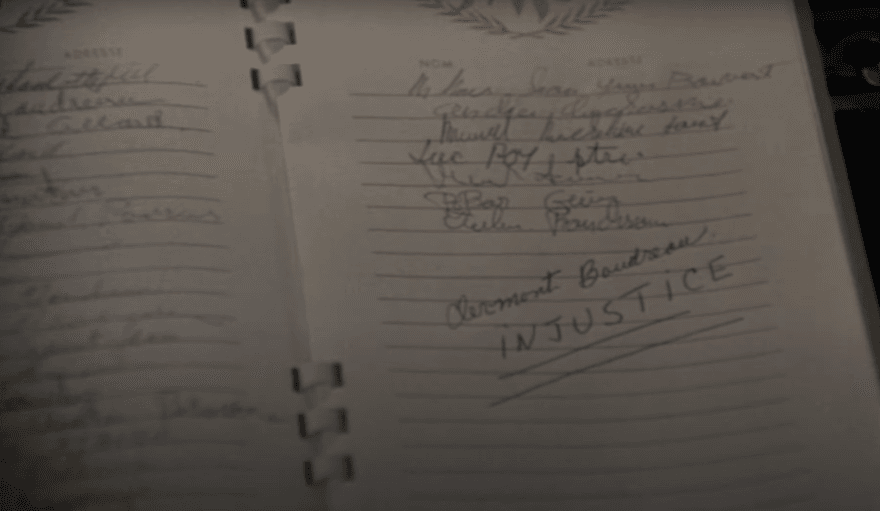
In addition to introducing the characters via direct address, Orders starts out in black and white, offering up a raw, naturalistic depiction of events that has an intense amount of immediacy and paranoid terror. Once suspects have been rounded up and imprisoned, Brault switches his shooting style to colour, bringing a surreal quality to the sequences behind bars that nicely underlines the suspended animation of the detainees lives. No film has captured the disorienting mundanity of prison life quite like Orders, but it also avoids any and all cliches many filmmakers lean upon in such settings. No one knows why they are there, so it’s hard for any of the prisoners – who rarely interact – to have any ill will towards each other. If anything, the callous nature of the guards and the government make these strangers bond against a common enemy. As is often the case in such situations, Trudeau’s use of the War Measures Act might’ve only radicalized people more towards the FLQ cause. And the evidence on display throughout Orders makes it easy to see why that could happen.
Orders was Canada’s selection for Best Foreign Film Oscar consideration that year, but it wasn’t nominated in a glaring oversight, and probably due to its political and borderline experimental nature. Brault did, however, share the award for Best Director at the Cannes Film Festival alongside fellow politically minded auteur Costa-Gavras for his equally incendiary and reality based look at a miscarriage of justice in Special Section. Although Brault is a filmmaker who left behind an outstanding body of award winning works (as both a director and cinematographer), Orders is without question one of his masterpieces; the kind of film that could be taught in writing, visual art, history, and sociology classes with equal amounts of importance and reverence.
For their part in producing the Blu-Ray, Canadian International Pictures provides a stellar amount of background material on the impact and lasting legacy of Orders. With a large number of newly produced interviews, featurette documentaries, and archival materials, CIP expertly puts Orders in a dramatic and historical context. (There’s also an exceptionally thoughtful and surprisingly emotional appreciation essay from filmmaker and critic Denis Côté included as a booklet that’s well worth reading.) Everything about the presentation and packaging of Orders goes above and beyond when it comes to preserving the legacy of the film. But the real testament to Brault’s ability to get under the viewer’s skin comes in hindsight, when one looks at the world around them at this very moment in history and the ways past mistakes continue to play out across time and in equally dangerous and damaging ways. It’s lasting impact will never be minimized.
Orders is now available on Blu-Ray from Canadian International Pictures. It will be screening for Canadian Film Day at The Cinematheque in Vancouver (alongside Brault’s 1967 film Between Salt and Sweet Water) on Wednesday, April 16, 2025.
