

Film buffs could use some positivity right about now.
With so much talk happening about mergers, the decline of the moviegoing experience, the ever looming spectre of AI, a variety of strikes at various levels of the filmmaking industry that will continue until people are adequately compensated for their labours, and the devaluing of quality in the era of “content creation” taking priority over turning in good work, it’s high time to be reminded that 2025 was an exceptional year on screen.
It feels like every year, more and more people complain that things keep getting worse. Every year there are plenty of rage baiting think pieces that try to say why this year was the worst ever for film and that in a few years we won’t have the medium because it has become so devalued.
The only way I think that people can say such things is by not looking very hard to find quality films. Sure, every year is a bad year for movies if you only went to see the five highest grossing ones and three of them turned out to be terrible. I can see where people would feel cheated, and to be honest, most moviegoers only head out to the multiplex or local indie cinema a few times a year. But the real ones know. Or at least, I hope they do.
In 2025 I saw over 600 films, and 473 of them were eligible for inclusion on this list. The metric I used is a simplistic one: did it get released in my area or on streaming before the end of the year? Is it eligible for the upcoming Oscars? Was it eligible for any of the critic’s guild awards that I vote in? Did I or would I rate them 7/10 or higher? If you don’t see a certain film here, chances are it wasn’t eligible or, perhaps shockingly, I didn’t see it. (It’s true. You can’t catch ‘em all.)
Of those 473 eligible films some were absolutely terrible (honestly more than I could fit into the ten worst list that I dropped yesterday), but those were outweighed by movies that I thought were either “just okay” or “not very good,” which is honestly the majority of what I have to sit through every year.
But even in years that are considered “off” by pundit and tastemakers, there would never be any issue of me coming up with a list of fifty or a hundred movies that I would go to bat for without reservation whatsoever. Like I said, it’s all about looking in the right places.
Here are 100 films from 2025 that I would enthusiastically recommend.
100. Becoming Led Zeppelin – Bernard MacMahon’s look at the early years of one of rock and rolls most iconic bands manages to be more insightful and educational that typical profile pieces because it looks at all of the building blocks behind the group’s success individually. It also stays true to its title, ensuring that the emphasis is put in the proper place, never getting too deep into the band’s lengthy run at the top. A great look at the foundation of a band, and an approach I wish more of these kinds of films would take.
99. The Running Man – Edgar Wright’s adaptation of one of Stephen King’s earliest works is more faithful to the source material, but without sacrificing wit, action, or the director/co-writer’s knack for crafting colourful characters. Different from the iconic Schwarzenegger version, but in a good way.
98. Ne Zha 2– If you haven’t seen the first film, you might feel a bit lost watching this spectacular looking Chinese animated epic (which is also the highest grossing film of the year on a global scale). Heck, even if you have seen the first one, there’s so much to keep track of that it’s hard to keep up. But visually, this is operating at the highest possible level, and the experience is nothing short of immersive and all encompassing, especially if you had the pleasure of catching it on the biggest screen possible.
97. La Grazia – Paolo Sorrentino goes lower key and more introspective with this look at a lame duck Italian president taking stock of his life and legacy. A lot more subdued than most Sorrentino films, this is a welcome change of pace for the auteur, and an already overlooked entry into his filmography that will age better than some of his flashier efforts.
96. Havoc– Tom Hardy cracks a bunch of skulls as a corrupt cop with skeletons in his closet in The Raid director Gareth Evans’ kinetic return to action movie form. Pure momentum, a great cast, and plenty of jaw dropping action.
95. Eternity – A creative, easy to enjoy romantic fable, Eternity weaves a compelling love triangle set in the afterlife that values the rich inner lives the characters have had before the audience ever got a chance to meet them. A satisfyingly constructed bit of genre whimsy.
94. F1 – Fast boys go fast in Joseph Kosinski’s raucous look behind the scenes of a fledgling Formula 1 team desperate for a win. Big budget Hollywood spectacle that gives the viewer precisely what they came for and not a penny less.
93. Father Mother Sister Brother– If not for the somewhat lacking middle section of Jim Jarmusch’s low-key triptych about family bonds, this one would be higher on the list. But as it stands, it’s still a moving grouping of cleverly relatable tales where adult children try to understand their parents better. The opening section (featuring Adam Driver and Mayim Bialik as the kids and Tom Waits as the less than forthcoming father) and closing one (with Indya Moore and Luka Sabbat as twins coping with the death of their parents) are outstanding enough on their own. The middle portion – featuring Charlotte Rampling, Cate Blanchett, and Vicky Krieps – needs a lot more narrative juice, but the performers are so exceptional, viewers might not mind that this one has the least going on.
92. Boys Go to Jupiter – One of the most enjoyably original animated romps of the year is Julian Glandner’s endearing, offbeat, and witty tale of a teenage food delivery hustler who finds his plans sidetracked by love, a blobby alien, and an evil Orange Juice producer. A modern day fable about how money is made to look like something that brings us happiness, Glandner’s work here is visually intriguing, emotionally resonant, and wryly comedic.
91. The Smashing Machine – Dwayne Johnson gives his career best performance as MMA legend Mark Kerr in Benny Safdie’s reworking of the traditional sports movie formula. While it has a lot of beats that will be familiar to genre enthusiasts, Safdie, Johnson, and Emily Blunt (as Kerr’s wife) take things down a notch and ground the film in staunch realism instead of melodrama. A smarter kind of sports movie that’s both familiar and boundary pushing.
90. The Shrouds – One of David Cronenberg’s most obviously personal films, The Shrouds once again finds the Canadian auteur examining the ways technology can impact and distort our lives and world view. A great Vincent Cassel stars as a tech innovator experiencing personal and professional pushback over the implementation of a system by which grieving people can watch their dead loved ones decomposing. As with most Cronenberg films, The Shrouds brings up a lot of questions about life and death in the modern world, and while it’s not his most outstanding film, he also doesn’t make any missteps.
89. The Ugly Stepsister – Some of the year’s best and gnarliest body horror can be found in first time feature director Emile Blichfeldt’s fractured fairy tale. Unpredictable and loaded with subtext about the ways women are expected to modify their bodies to conform to unrealistic beauty standards, this one is an unnerving, gory, smart, and surprisingly measured bit of gothic storytelling.
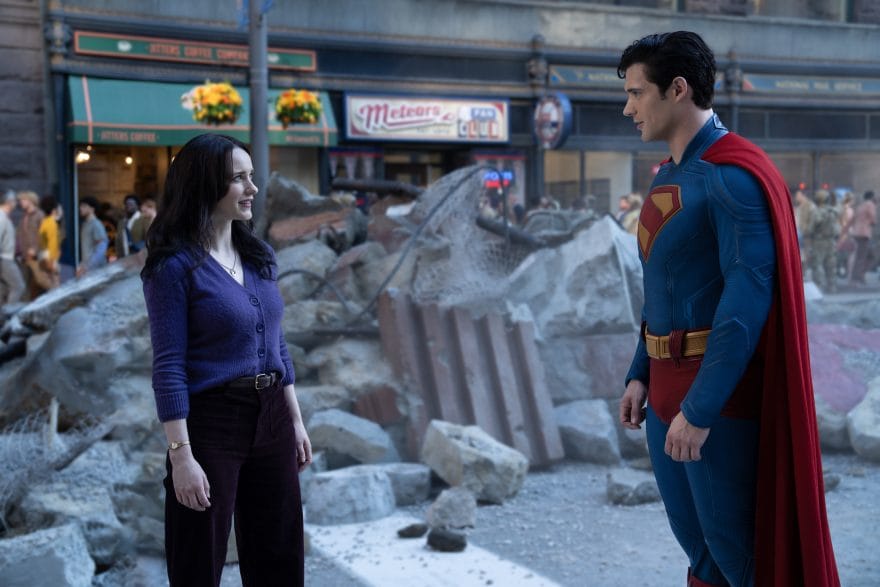
88. Superman – Sometimes you just want a decent superhero movie, even when you feel like you’re burnt out on them. James Gunn’s take on arguably the most famous and foundational character in comics reminds viewers why these stories have been able to resonate with viewers for decades. Sure, it’s overstuffed in ways a lot of superhero efforts are these days, but Gunn makes this kind of thing feel effortless and assured instead of endlessly crammed into a box. This is how you do this kind of film correctly.
87. Presence – This isn’t the only time the surprisingly winning tandem of director Steven Soderbergh and writer David Koepp will appear on this list, with the duo starting off 2025 by delivering this continually evolving and escalating story of a suburban family coping with a persistent, potentially helpful spectre. Very Point A to Point B stuff, but look closer at the performances and story itself and this one has a surprising amount of layers to it. It doesn’t seem like the kind of thing that benefits from a rewatch, but it really does.
86. Mickey 17 – Bong Joon-Ho goes back to the playful side of his filmmaking (Snowpiercer, Okja) with this story of a futuristic clone (a rarely better Robert Pattinson) who’s just trying to do his job and not die repeatedly doing it. Another film that feels custom made for a year where everyday workers feel like they’re just more grist for the mill of capitalism, this one might not be the filmmaker’s most original film to date, but it certainly shows why he’s one of the best working today.
85. Sly Lives! (a.k.a. The Burden of Black Genius) – When he’s not busy being one of the most gifted musicians on the scene today, Ahmir “Questlove” Thompson is quickly becoming one of the most indispensable scholars on the topic of black music, with this look at one of rock and funk’s greatest and most fascinating trailblazers. A genuinely foundational documentary that can help viewers not only garner a better appreciation for Sly and the Family Stone, but also make connections to different musical genres, social movements, and cultural histories. I hope Questlove has dozens more of these kinds of documentaries in him. And enough time to bring them all to fruition.
84. Friendship – Sometimes all dudes want to do are lick toads, eat soap, run through patio doors, play their drums, and traverse the sewers in their finest Ocean View Dining pants. But it’s better to do all that with a friend by their side. Tim Robinson transitions his brand of awkward, confrontational humour to the big screen nicely with a perfectly game Paul Rudd by this side in this look at why guys shouldn’t have best friends. A movie to cancel all your plans by. Also responsible for the best deleted scene/outtake from any film this year.
83. Deaf President Now! – Nyle DiMarco and Davis Guggenheim’s documentary about student protests at all deaf Gallaudet University in Washington D.C. fighting to be represented by one of their own in 1988 is both inspirational and cautionary; a film looking back to the past at a time when equality measures are slowly being rolled back in the US and abroad. It also revolves around a fascinating character study where people with different political ambitions, temperaments, and approaches clash repeatedly over the best course of protest. A granular look inside a movement that celebrates both struggle and success.
82. Predator: Killer of Killers – Probably not the Predator film most readers of this list were expecting to show up here, but I vastly preferred the imagination and concept behind Dan Trachtenberg’s animated take on the world of this franchise than his more celebrated and remarked upon live action offering from later in the year. A tale of three human warriors from across history who battle the intergalactic Yautja hunters – living through their ordeals only to end up fighting each other – Trachtenberg’s comic book and classic serial indebted straight-to-streaming outing breathes more new life into the franchise than its flashier counterpart did in its theatrical release.
81. East of Wall – Kate Beecroft’s docu-fictional hybrid unfolds in a world of struggling North Dakota horse trainers, and shares a lot of common DNA with the early works of filmmaker Chloé Zhao, which is a high compliment. A raw, unvarnished look at a family of outsiders trying to get by in a world that has little appreciation for their methods and dedications, this one is an immersive experience that blends the lines between classic drama and real life stakes.

80. Bonjour Tristesse – Durga Chew-Bose’s assured and elegant adaptation of Françoise Sagan’s novel isn’t quite the classic that Otto Preminger’s 1958 take on the material was, but it doesn’t have to be. With an eye for beauty, an ear for silence, and great performances from Lily McInerny and Chloë Sevigny, Bonjour Tristesse is opulent, slow building, and sundrenched drama done well, establishing the filmmaker as someone to watch in the future.
79. Plainclothes – Carmen Emmi’s debut feature is one of the films to make this list that gets better and better the longer I sit with it. Ask me again in a year’s time and I might think that I rated this one too low on the list. Tom Blyth is exceptional as a late 90s cop in Syracuse struggling with his own closeted sexuality while trying to entrap other gay men in sting operations at the local shopping mall. Built around a time shifting structure centring on a New Year’s Eve family get-together, Plainclothes is the kind of melancholic, stirring work that would be a great capper for anyone keen on catching up to the best releases of the past year.
78. Honey Bunch – A film worth seeking out in the New Year (that was eligible for some of the awards I vote on this year, hence its inclusion on the list) is Madeline Sims-Fewer and Dustin Mancinelli’s eerie, Gothic, relationship based horror Honey Bunch, which also boasts exceptional lead performances from real life couple and frequent collaborators Grace Glowicki and Ben Petrie (The Heirloom and Dead Lover, both of which would make this list if they technically qualified by my own made up metrics). What begins as a tale of a woman attending a secluded retreat to regain memories she lost in an accident becomes something that’s both sinister and unusually sweet. Recommended if you liked The Prestige but wished it was more romantic and grotesque, which for many cinephiles is high praise.
77. Warfare – Alex Garland and former soldier turned cinematic military advisor Ray Mendoza offer a blunt force, no frills tale of survival under pressure not seen since the likes of Ridley Scott’s Black Hawk Down, only this one is pared back even further and tied more closely to the moment at hand. A remounting of a real life battle that happened in 2006 involving US troops in Iraq, the filmmakers utilize an all star cast to their advantage in a story where staying alive and preserving life amid ceaseless violence is top priority.
76. Dust Bunny – Bryan Fuller’s jump to the big screen with this kinetic, playful, French cinema indebted tale of a kid who hires a hitman to take out the monster under her bed is a visual and narrative delight. This is a film where it’s abundantly clear just how much fun the people in front of the camera and behind it are having. Some of the wildest set pieces you’ll see all year.
75. The Naked Gun – You’ll never think about Fergie, snowmen, the comedic chops of Liam Neeson and Pamea Anderson, or chilli dogs the same way again. A life changing motion picture.
74. The Life of Chuck – I can see where some would dismiss Mike Flanagan’s latest adaptation of a Stephen King story as being corny, but few people are capable of leaning into earnest emotion and making it work as he does. A film where I’m able to suspend my own cynicism and go along with the layered, slowly revealing story Flanagan is weaving. A likeable movie if this is the kind of thing you’re seeking, and there’s nothing at all wrong with that.
73. His Father’s Son – An audience award winner at Reel Asian last year, writer-director Meelad Moaphi’s family drama about two brothers differing in success and the amount of love received from their parents contains little artifice and a lot of nuanced character work, all while creating an atmosphere where the viewer waits for the other shoe to drop and for secrets to be revealed.
72. The Housemaid – Popcorn thrillers are great when everyone involved with them perfectly understands the assignment. That’s precisely the case with Paul Feig’s gleefully unsettling and bleakly comedic adaptation of Freida McFadden’s bestselling novel, which pits fully game performers Sydney Sweeney and Amanda Seyfried in a deliciously cruel battle. One of the shining stars of the holiday movie season and a film best watched with a raucous crowd there to eat up every last morsel that the cast doesn’t already devour on screen. A fucking hoot.
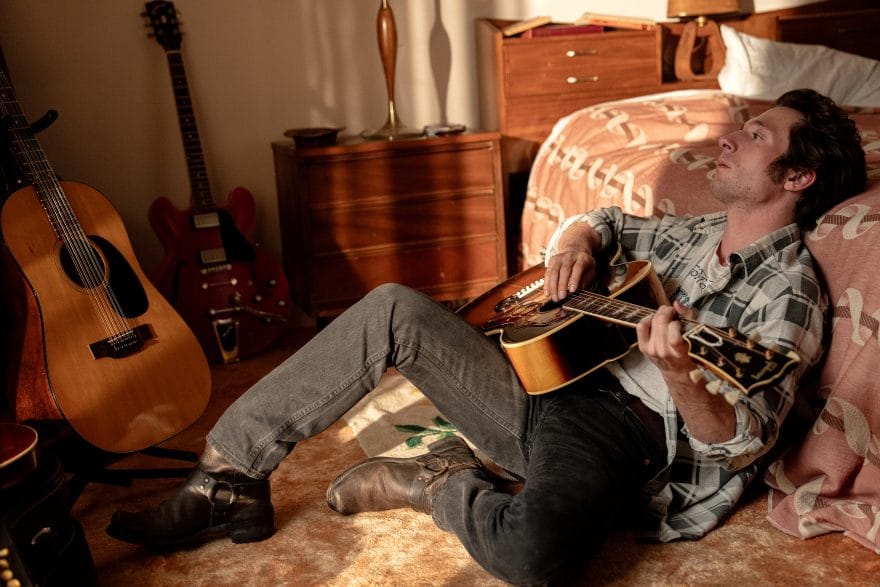
71. Springsteen: Deliver Me From Nowhere – Yes, musician biopics are played out in the extreme these days, but writer-director Scott Cooper understands a key factor that many other filmmakers keen on playing all the hits refuse to believe: the best ones don’t focus on the life of an icon in total, but rather a formative period that changes their trajectory. And by profiling Bruce Springsteen at his burnt out, depressed, and most anxious low point – during the production of his deeply personal and risky album Nebraska – this one becomes a better example of a genre that needs to do better by audiences. Even with some of the genre conventions in play here, I would take a dozen of these over a Bohemian Rhapsody or I Wanna Dance With Somebody any day of the week.
70. Highest 2 Lowest– Spike Lee is underrated as an entertainer. He’s always praised for delivering thoughtful, political, sensitive, and empowered films, but when called upon to just deliver a stylish banger, Lee can usually step up to the plate and kill it. This is the case with his surprisingly slept on reuniting with Denzel Washington, an updating of a Kurosawa classic and an old school paperback thriller at the same time. The kind of fun only a high quality filmmaker can bring to the table.
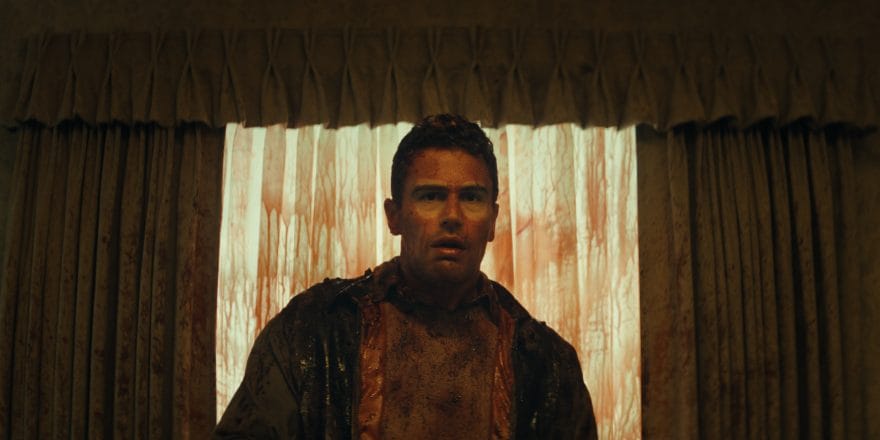
69. The Monkey – Osgood Perkins’ frequently laugh out loud Stephen King adaptation about a family curse with a killer organ grinder monkey toy is one of the most delightfully strange movies of the year. While the humour, pacing, and overall tone might not be to everyone’s taste, those who can vibe with Perkins’ unique eccentricities will have a blast.
68. Blue Moon – Ethan Hawke gives the performance of his career in Richard Linklater’s fully contained and snappily realized look at a night in the life of tortured theatre icon Lorenz Hart trying to drink away his sorrows after the successful opening night of his former collaborator’s new show, Oklahoma!. As Hart, Hawke commands the screen and demands acknowledgment, a perfect encapsulation of the insecure character he plays. Linklater keeps things tight and surrounds Hawke with a perfect supporting cast (Andrew Scott, Margaret Qualley, and Bobby Cannavale all kill it), but the focus never wavers from Hart’s not-so-internalized desperation; a reflection of how Lorenz sees himself as the star of a one-man-show, when his life is anything but that.
67. Wake Up Dead Man! A Knives Out Mystery– While it’s the most predictable and easy to decipher mystery in Rian Johnson’s effervescent whodunnit series to date, there’s no small amount of joy in watching the likes of Daniel Craig and Josh O’Connor working their way through a case that speaks to the nature of religion, miracles, and right wing paranoia. It didn’t matter that I solved the case long before the characters on screen were able to, but the journey here remains a fun one.
66. Lurker – Alex Russell’s tale of celebrity and obsession get a massive, tone altering boost from rising Canadian star Théodore Pellerin as a record store employee who’s able to creepily insert himself into the inner circle of his favourite pop star. As far as stalker films go, this is solid, if somewhat standard stuff, but Russell’s style and Pellerin’s dead eyed dedication to his role make it a shining genre example.
65. Dangerous Animals – Speaking of creepy, the title of best villainous performance in a thriller this year might belong to Jai Courtney, who plays a serial killer with an affinity for feeding his victims to sharks. Directed by Sean Byrne (a solid filmmaker who should make more movies than he has), this one is pure B-movie bliss, made better by a constantly twisting and evolving story that keeps viewers on their toes. A great example of a film that sounds like it shouldn’t work on paper, but it actually works brilliantly.
64. Below the Clouds – Shot in stunning, texture rich black and white, this latest observational documentary from Italian filmmaker Gianfranco Rossi looks at everyday life in Naples, a place where the past destruction of Pompeii looms over a present where an increasing number of tremors and potential volcanic activity cast a pall and paranoia over local residents. While not as impassioned and political as some of Rossi’s more recent efforts like Fire at Sea and Notturno, this is a compelling, well structured look at how those who don’t learn from history can be doomed to repeat it.
63. Come See Me in the Good Light – The love between poet Andrea Gibson and Megan Falley is achingly laid bare for all to see in documentarian Ryan White’s tearjerker. Watching Falley trying to support her partner, who’s dealing with incurable and almost untreatable cancer, is being witness to an act of true, unforced love, outstanding kindness, and patience that takes incredible fortitude on both sides of the relationship. Not a mourning for what will be missed, but a celebration of life that doesn’t shy away from darker corners.
62. Kukuho – While it isn’t confirmed to have a theatrical release in Canada just yet, Japan’s selection for Oscar contention this year has made several voting shortlists, so I feel inclined to mention it as one of the year’s best, no matter when or if it ends up coming out. A true, generational epic about a young man in post-war Japan breaking away from his family’s yakuza roots to pursue a dream of becoming a kabuki performer, Sang-il Lee’s three hour long, fifty year spanning narrative is an all encompassing work worth seeking out.
61. The Phoenician Scheme– I kinda feel bad for Wes Anderson. When this caper comedy (which showcases a delicious dark side to the filmmaker that’s rarely utilized) came out earlier the year, it went largely unremarked upon. In actuality, it’s one of Anderson’s better recent works, benefitting mightily from some top notch acting by Benicio Del Toro as a corrupt, but slick businessman someone would love to have a few small beers with. This is fun in ways that Asteroid City and The French Dispatch weren’t. A film already worthy of reappraisal.
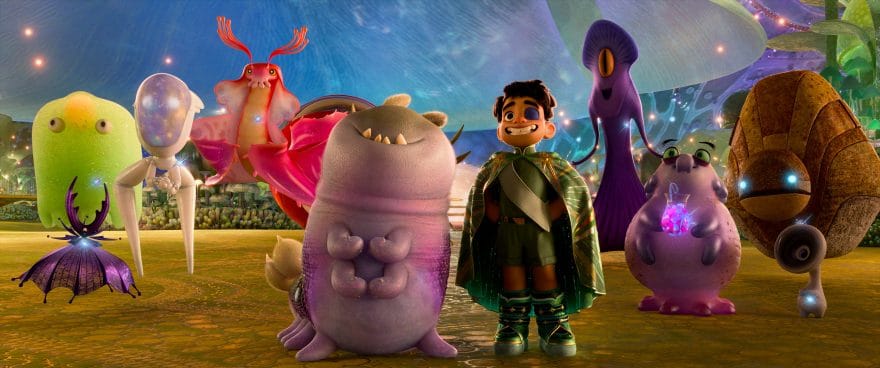
60. Elio – Although a lot of critics were quick to point out that this Pixar effort was a “troubled” production when dismissing it, I’m not sure what they were expecting. Elio is a delightful romp that’s appropriately fantastical, genuinely funny, heartwarming without being cloying, and a film that dares to make being a nerdy, science loving kid cool. Like the film just below it on the list, this is another one that could use an immediate reappraisal.
59. The Plague – The cruelty and competitiveness of children is laid bare in Charlie Pollinger’s searing and unnerving psychological thriller about a 12 year old boy trying to fit in on a dysfunctional water polo team. Starts slow and measured, but eventually bursts into a squirm inducing freak out. One of the most horrifying films of the year. Try to go in as cold as possible.
58. Rebuilding – Films that attempt to look at modern, everyday, small town/rural hardship often tend towards the melodramatic and overblown. Not so with Max Walker-Silverman’s gentle, but effective look at a young father (Josh O’Connor, in his second, but not last film on this list) trying to put his life back together after a devastating wildfire. Silverman has the smarts to let things play as they lie, valuing the audience’s ability to grasp the seriousness of the situation without resorting to shorthand. A beautiful film about a tough time.
57. Endless Cookie – It’s great to have animator Seth Scriver back on the big screen. In his first feature since the slept on (and now sadly hard to find) Asphalt Watches, Scriver teams up with his half brother, Peter, for a unique, squiggly looking and colourful tale of familial bonds. Pete shares his story and experiences living in a fly-in community up North, and Seth playfully animates the experiences with love, respect, and a keen sense of humour. One of the best (and most) Canadian films this year.
56. Bugonia – If the ending of Yorgos Lanthimos’ latest socially conscious black comedy didn’t drag things out longer than necessary, this one would rank higher. Still, this story of a conspiracy theory addled warehouse worker (a never better Jesse Plemons) who kidnaps a pharmaceutical company CEO (Emma Stone) because he thinks she’s an alien has a smart construction and a trio of outstanding lead performances, including a great turn from Aidan Delbis as the cousin who’s uneasily along for the ride. The more it reveals, the better it becomes (until it reveals too much and takes a step backwards). It’s also just a touch better than the film it’s a remake of (Save the Green Planet).
55. Good News – One of the more slept on international efforts of the year is Korean filmmaker Byun Sung-hyun’s Dr. Strangelove riff, Good News. A look at spy craft, subterfuge, the spreading of misinformation and political spin amid a hostage crisis that has gone hilariously off the rails, Sung-hyun balances big laughs with a keen sense of tension and escalation. It takes a lot to cycle through genres and tones with conviction and across a complex, sprawling story, but Sung-hyun pulls it off with energy to spare.
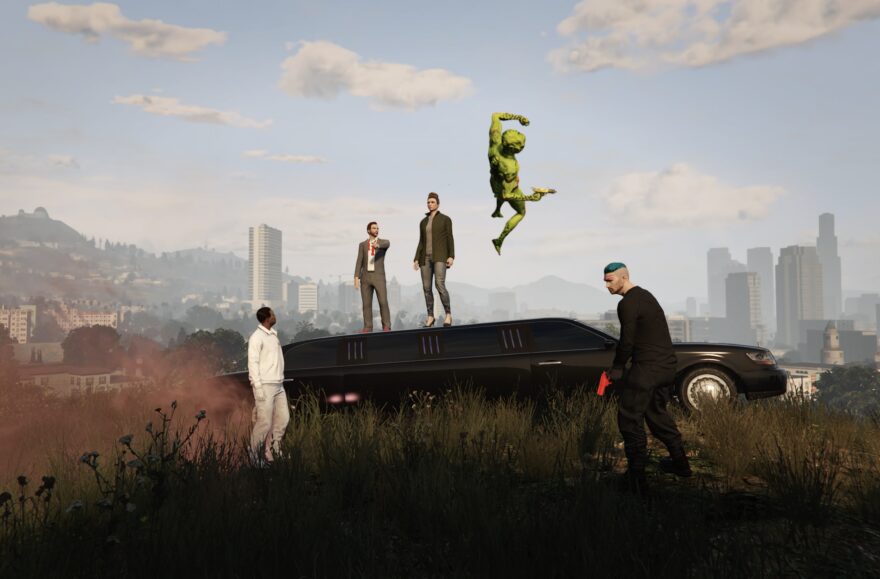
54. Grand Theft Hamlet – Boredom can be the mother of invention. Just ask actors Sam Crane and Mark Oosterveen, who got so bored of playing video games during the pandemic that they got the crazy idea of trying to stage a production of Hamlet online and entirely set within the world of Grand Theft Auto. Without a pool of established actors to pull from and no funding to make this a reality, Crane and Oosterveen rely on the kindness (and weirdness) of strangers to make their vision come to life. A frequently hilarious, but oddly poignant look at art and togetherness.
53. Mr. Nobody Against Putin – Filmmaker David Borenstein gains access to footage captured by Russian grade school teacher and administrator Pavel Talankin as he attempts to navigate a new curriculum passed down by the Putin government that focuses more on nationalistic pride and military might than anything coming close to actual learning. A great example of a documentary that’s bleakly comedic, frightening in tone, and potentially dangerous to all parties involved with the making of it.
52. Secret Mall Apartment – Documentarian Jeremy Workman looks at the curious case of a bunch of friends who were able to carve out a place of their own under the noses a thousands of oblivious people who passed by their residence everyday. From 2003 to 2007, a group of young Rhode Island artists decided to move into a 750 square foot structural anomaly in the walls of the Providence Place shopping mall. A testament to human ingenuity, the power a great prank could have, and an overall great metaphor for the ongoing affordability crisis.
51. Dead Man’s Wire – Director Gus Van Sant returns in both a big and small way with this true crime, retro thriller about a desperate man (a wonderful Bill Skarsgård) who takes a mortgage broker (a career best turn from Dacre Montgomery) hostage with a rigged up shotgun tied around the victims neck to keep them from moving. There’s a lot of humour in Van Sant’s latest and period swagger to spare. Van Sant’s most wildly enjoyable movie since the 90s. Flashy supporting turns from Cary Elwes (as a gruff, terminally cool detective), Al Pacino (in the best and most literally “phoned in” performance ever as the wealthy bank manager), and Colman Domingo (as a smooth talking radio DJ who earns Skarsgård’s trust) only add to the wealth of colour and personality on display here.
50. To a Land Unknown – Director and co-writer Mahdi Fleifel empathetically looks at refugee life on the margins of society and the mentality and instincts of survivors in this powerful drama about Palestinian cousins stuck between their old life and a better one while marooned in Greece. Unpredictability and hardship abound in this layered, taut, and purposefully cold work of raw human drama.
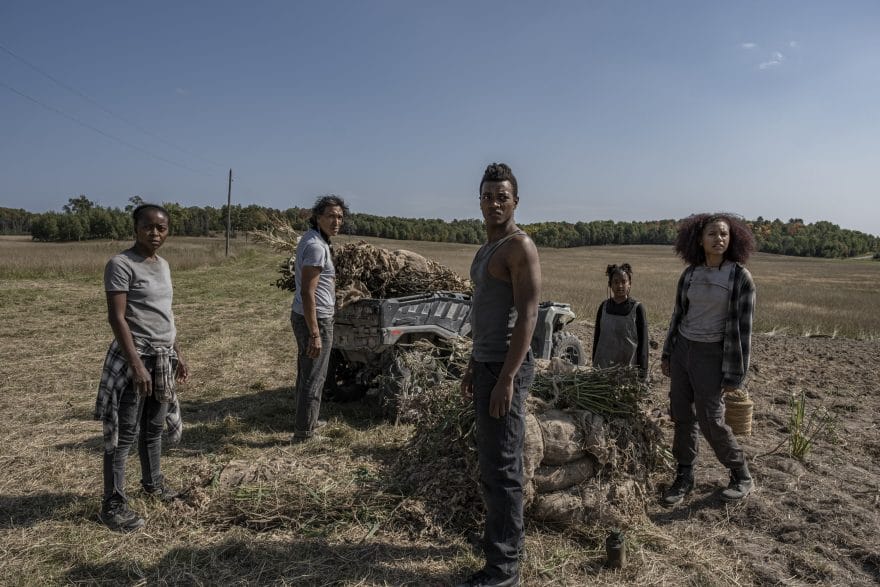
49. 40 Acres – Canadian filmmaker RT Thorne’s unnerving post-apocalyptic homestead defence thriller comes steeped in black and indigenous traumas that prove harder to shake after the film has ended than the more suspenseful elements of the story. Led by the outstanding tandem of Danielle Deadwyler and Michael Greyeyes as parents of a family determined to keep their farmland and children protected from any number of violent and desperate outsiders, Thorne’s film bristles with tension and confronts history head on within the confines of a solidly constructed genre piece.
48. Cover-Up – Acclaimed documentary filmmaker Laura Poitras teams up with fellow journalist Mark Obenhaus to profile legendary, Pulitzer Prize winning investigative reporter Seymour Hersh, who played a major hand in exposing US brutality during the Vietnam and Iraq war, the CIA breaking their own protocols to spy on American citizens, and the harsh conditions inside the Abu Ghraib prisons. As a result of the career he’s had and kinds of people he’s had to deal with over the years, Hersh can be an obstinate, arrogant, stand-offish person, and to their credit, Poitras and Obenhaus refuse to give up when their subject pushes back (especially when they decide to get critical of some of his work, which obviously doesn’t go over well). A great example of a film where both the work and the person behind it matter equally.
47. Frankenstein – Guillermo del Toro’s adaptation of Mary Shelley’s classic cautionary horror tale is a work of passion through and through. An opulently mounted epic about a father and his cast off son, the first half of Frankenstein features some of the most impressive technical filmmaking craft in any movie this year. While things do slow down a little when the story shifts from the doctor’s perspective to that of “the monster,” it’s clear that del Toro has thought long and hard about the meaning and weight of Shelley’s story. This story has obviously been done many times before, but not often with so much care, distinction, and beauty.
46. Cloud – Another winner from eclectic Japanese filmmaker Kiyoshi Kurosawa, and another movie from this year that speaks volumes to the current state of the global economy. A slow building story of an internet reseller who finds his life in danger, Kurosawa begins with a measured pace before building towards one of the greatest climaxes of his career. Smart and capable of being either blunt or effusive, depending on whatever the occasion calls for. A delicate balancing act of a movie that touches on elements of the filmmaker’s entire career.
45. The Long Walk – Relentlessly bleak, but packed with suspense and a necessary streak of humanity, director Francis Lawrence’s best work today comes in the form of this Stephen King adaptation. Not only is it the best of all the King adaptations this year, it’s one of the finest ever made. The rules of the deadly game are simple here: young men walk to make their wildest wishes a reality, persevering until only one is left standing. An exceptional ensemble cast and a refusal to shy away from darkness make this one of the year’s absolute best thrillers.
43. Predators – David Osit takes a critical and deeply personal look back at the problematic, but effective true crime mega-hit To Catch a Predator in this startling, sorrowful documentary. A look at the various ways television shows eschew nuance and humanity in a bid to garner ratings and big reactions, this isn’t a film that full on condemns how things were done on the Dateline NBC spin off show, but rather an examination of how viewers should always question what they’re being presented with, especially when the topic at hand comes with severe implications.
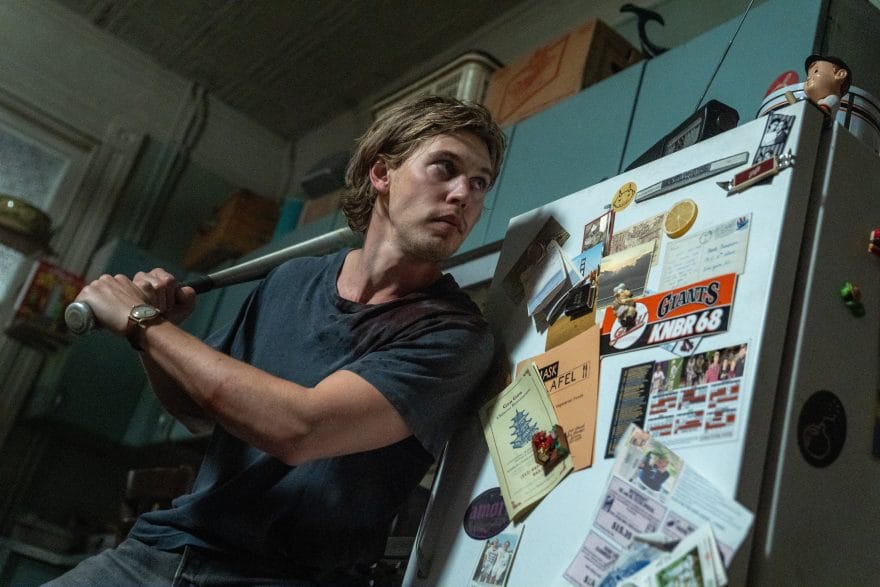
44. Caught Stealing – This one makes me wish Darren Aronofsky would cut loose and have fun a bit more often. This kinetic, funny, and sometimes shocking thriller set in late 90s New York City features some of his best and most satisfying filmmaking to date. Extra special mention has to go to Austin Butler, who’s equally great as the recovering alcoholic ex-baseball player trying to outrun a bunch of thugs looking for his punk rocker buddy. Moves like lightning, there isn’t an ounce of fat on it, and the whole thing captures the late 90s big city vibe to near perfection. Also, it has a wonderful cat actor, too. And yeah, the rest of the stacked cast is pretty great. Another New York thriller classic. A film that should’ve done much, much better at the box office.
42. Black Bag – The Soderbergh/Koepp tandem strikes again and even harder this time with this smooth as silk espionage caper. A dialogue and body language heavy lark built around a pair of dinner parties where a high level spy (played by Michael Fassbender) tries to suss out a mole in the organization (even if it turns out to be his wife, played by Cate Blanchett), this is a popcorn movie aimed at a thoughtful, intelligent adult crowd. When people say “they don’t make them like this anymore,” the second of Soderberg’s three movies this year should spring immediately to mind.
42. Is This Thing On? – Director, co-writer, and co-star Bradley Cooper gets the absolute best out of Will Arnett and Laura Dern in this tale of a divorced sad sack who finds solace and release in the world of stand-up comedy. For a film about a profession that’s usually known for its abrasiveness, Cooper’s approach shows a gentility, nobility, and bravery. Movies about stand-up comedy are frequently bad, with the format not lending itself well to drama or backstage comedy. This one gets the balance just right, and watching Arnett and Dern as a couple falling apart is one of the best tandem acts of the year.
40. Hamnet – Chloé Zhao’s elegant, sorrowful, and ultimately healing look at the struggles faced by Agnes (Jessie Buckley) and William Shakespeare (Paul Mescal) following the death of a child goes beyond classic literature and theatre. The experiences and reactions of the characters are more telling and fruitful than any amount of historical subtext the story itself can offer. The final act of Zhao’s latest is one of the year’s best.
39. Die My Love – Jennifer Lawrence gives a transformative, incendiary performance of a mother well past the verge of a nervous breakdown in the latest from provocateur Lynne Ramsay. Set in gorgeously secluded rural Montana, the atmosphere and tone is stifling and constricting. It’s a great distillation of themes and notions about mental health that both the director and star have struggled to convey with past projects. A gut and face punching stunner.
38. The Perfect Neighbor – Told almost exclusively from the viewpoint of police body cam footage, Geeta Gandbhir’s inquiry into the preventable shooting and killing of Ajike Owens lays bare white America’s paranoia, the impact of trauma on the human psyche, and the fallacy of “stand your ground” laws. The sinking feeling in one’s gut while watching this will be hard to shake and it should serve as a wake up call to all who see it.
37. Sirāt – Óliver Laxe’s bass heavy and propulsive drama, set in the arid Moroccan desert, asks what would happen if the apocalypse started and you were too busy with other pressing matters to notice or respond. A father and young son join up with a helpful band of ravers to look for their missing daughter/sister. Laxe and his team (including cinematographer Mauro Herce and composer Kangding Ray, whose contributions are indispensable) lay out the severity of the situation early, continually lull the viewer into a false sense of confidence, and build towards an increasingly dire situation. Memorable and wholly unique.
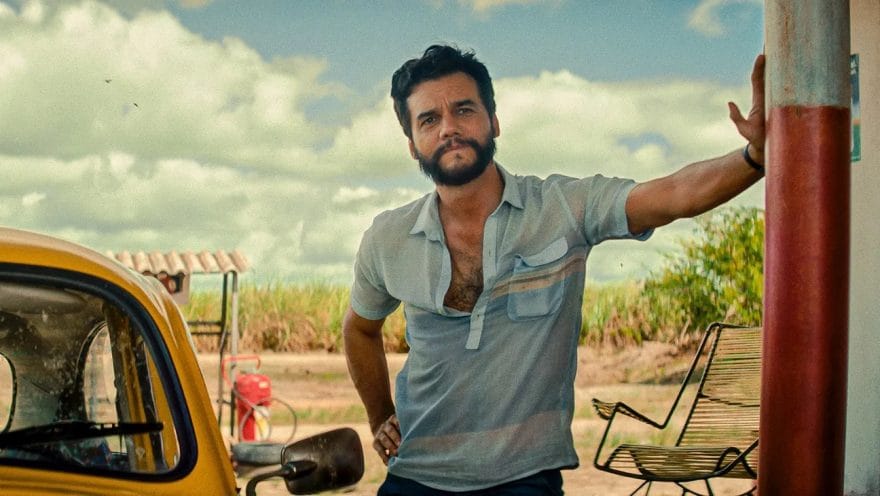
36. The Secret Agent – Another richly layered film from Brazilian director Kleber Mendonça Filho, this unquantifiable thriller/drama hybrid revolves around an outspoken teacher (a wonderful Wagner Moura) trying to hide from political authorities during the height of the country’s dictatorship. Freewheeling and yet still tied to a tight narrative structure, this is the kind of film that isn’t in a hurry to get anyplace, but still knows how to make an impact and keep the viewer invested in a complex situation. It also builds to a conclusion that thoughtfully bridges the gap between historical periods in a way that’s both hard to predict, yet fits perfectly.
35. Sharp Corner – Ben Foster gives one of his best performances in Canadian filmmaker Jason Buxton’s slept on sophomore outing. As a family man who slowly becomes addicted to helping people who get into car accidents outside his suburban home, Foster helps to refine Buxton’s narrative about the male need to dominate any situation and the various ways that trying to do the right thing in one’s mind could cause long term harm. A fascinating character study and thriller.
34. Lesbian Space Princess – The funniest and most unexpectedly delightful animated movie of the year is this Aussie import from Emma Hough Hobbs and Leela Varghese. With big heart and bigger laughs, this tale of a literal space princess trying to save her bounty hunter ex-girlfriend from a group of girl crazed, inexperienced, and sexist male aliens is colourful, witty, and effortlessly entertaining. It also builds to something that’s as empowering as it is bittersweet, which is a nice touch to go out on for such a well constructed lark.
33. Uiksaringitara (Wrong Husband) – Master Inuit filmmaker Zacharias Kunuk works on his biggest scale to date narratively for this low key epic set in 2000 B.C. Once again steeped in oral tradition and folklore, Kunuk’s latest incorporates horror, comedy, and even creature feature elements that weren’t a part of his style previously. The results (delivered once again with help from a cast made up of mostly non-actors) are unlike anything Kukuk has made before or since. Another stunning addition to a career built upon representing a specific culture and bringing it to life on a global scale.
32. The Rule of Jenny Pen – The title of most underrated performance of the year has to go to John Lithgow in this psychological thriller from New Zealand based filmmaker James Ashcroft. Lithgow plays a deranged resident of an elderly care home who terrorizes staff and patients alike with cruel pranks and rude behaviour that he blames on his trusty hand puppet. Lithgow perfectly rides the fine line between campy insanity and ruthless cunning that he has shown in thrillers before, but also finds his match in Geoffrey Rush, a former judge and the home’s new resident who isn’t about to take any of this guy’s shit. An absolute blast to watch these two go back and forth, and Ashcroft’s stylish work backs everything up with a wealth of character and substance.
31. Paul– Canadian filmmaker Denis Côté returns to documentary with this warm and humane look at a socially awkward man with body image issues who finds strength in being a simp. Côté pays close attention to the needs and wants of his often anxious 34 year old subject and observes as he discovers empowerment in the form of cleaning the homes of dominatrixes. A focused and poignant look at how there are many ways to find happiness in a world that seems designed to bring all of us down.
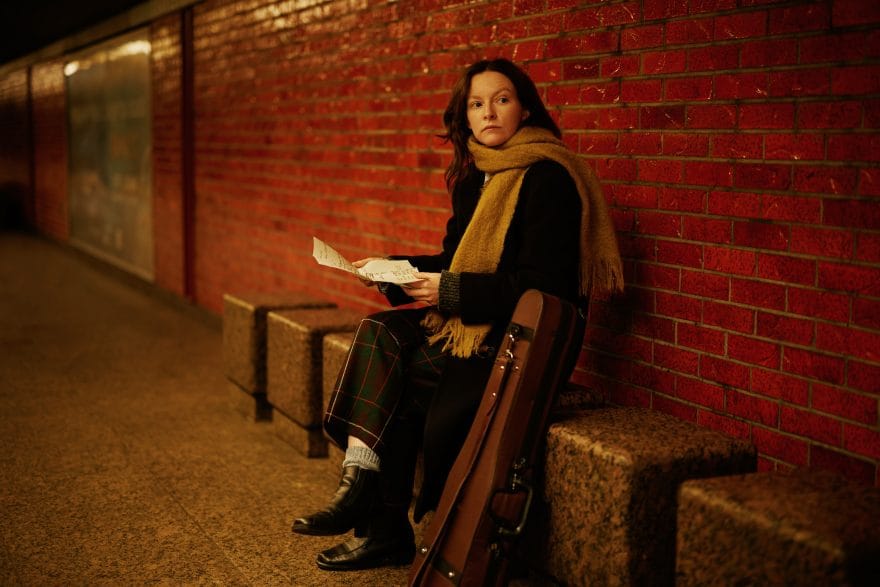
30. Measures for a Funeral – Director Sofia Bohdanowicz and frequent collaborator and star Deragh Campbell team up once again for a drama that could best be described, narratively and thematically, as a symphony. Campbell reprises a role that she has played in some of Bohdanowicz’s previous short films and features: a struggling graduate student studying classical music who’s trying to make sense of her thesis and how it connects to her family’s unique history. A film that makes academia accessible, personal, and even kind of cool to partake in, Bohdanowicz’s latest and best fictional feature to date takes the life’s work of its main character and her thesis subject and holds them with kindness, delicacy, and respect.
29. Bring Her Back – Danny and Michale Phililppou follow up their sleeper hit horror flick Talk to Me with an even more unsettling tale of maternal love gone dark. Anchored by tremendous work from Sally Hawkins, performing WAY against type as a foster mum who’s grooming her latest wards to be a part of a sinister plot, the Philippous’ latest is a visually compelling, narratively rich exercise in pure terror. A surprisingly underrated movie from the past year.
28. KPop Demon Hunters – I’m not made of stone, guys. Even though I saw this year’s biggest pop culture juggernaut a lot later than most people did, it was still easy to get caught up in the energy, humour, and catchy tunes. A film that surprisingly lives up to the hype. I wholly understand the appeal. Even if you aren’t a KPop or animation buff, this is an easy film to love.
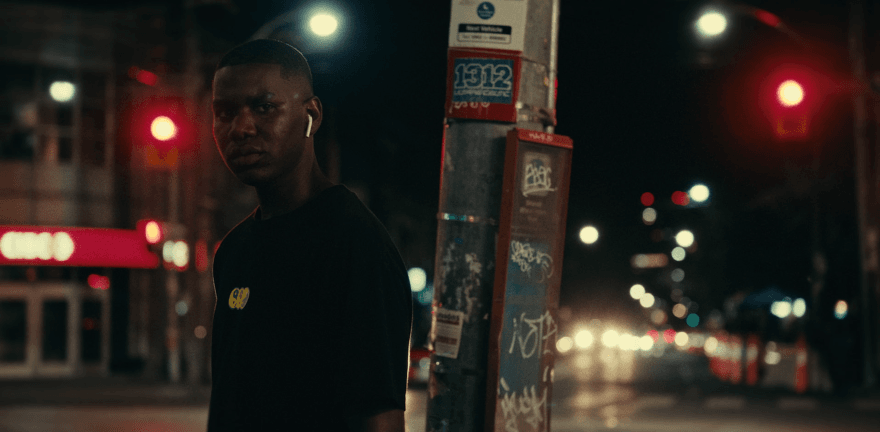
27. Boxcutter – The best “pure Toronto” movie of the year, and indeed one of the best Canadian films, is Reza Dahya’s slice-of-life character study of a budding, anxious musician who wants to retrieve copies of his tracks from collaborators after his laptop is stolen. A full on tour of some of the city’s most vibrant and lively spaces coupled with a strong sense of purpose and complex characterization, this is a movie that does the city and the country proud.
26. Apocalypse in the Tropics – Petra Costa follows up her equally exceptional documentary The Edge of Democracy with this companion piece, which looks at the role evangelicals play in Brazil’s political landscape. While some of the facets of the film are unique to Brazil, this examination of the link between church and state should be a warning call to be heeded by democracies around the world, especially as the march towards the religious right continues unabated and often unopposed.
25. Resurrection – Blending genre tropes with abstraction and surrealism, visionary filmmaker Bi Gan (Long Day’s Journey Into Night, Kaili Blues) takes viewers into several dream states to look not only at repression, but the spaces where creativity is birthed from. It’s a heady work with a lot on its mind, but the kind of movie viewers can constantly return to and learn new things and notice new undercurrents. Boundary pushing and as sumptuous as a ten course tasting menu from a master chef.
24. Peter Hujar’s Day – Ben Whishaw stars and lets loose as the legendary, titular New York City photographer in Ira Sachs’ conceptually fascinating recreation of a failed project that offers trenchant insight into the creative process and inner life of an artist. It also offers Whishaw the best showcase of his many talents to date, and his work is nothing short of transformative. And at a lean 71 minutes, Sachs’ film is capable of saying more in a contained, experimental time frame than most movies could say in three hours.
23. Magellan – The only filmmaker who could credibly give Bi Gan a run for their money in the category of wildest international movie of the year is slow cinema pioneer Lav Diaz. Working outside of his native Philippines, Diaz’s epic about the life, marriage, and expeditions of Ferdinand Magellan (played astutely by Gael García Bernal) treats history and its figures with a kind of severity that rhymes nicely with the filmmaker’s decision to film in colour and on his largest scale to date. It shows an unwavering desire on the part of Diaz to make bigger, more encompassing works, all without sacrificing his voice or style.
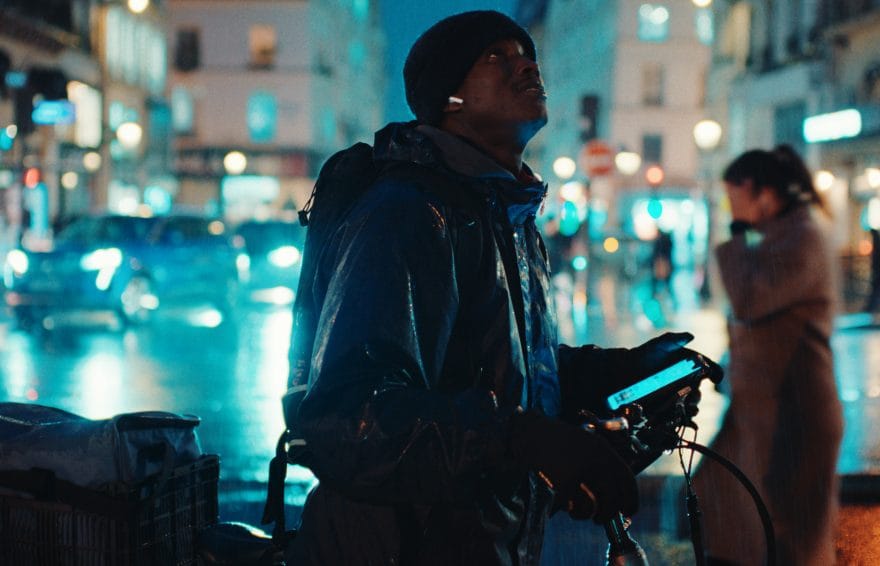
22. Souleymane’s Story – Featuring a star making performance from Abou Sangare, director and co-writer Boris Lojkine’s story of an undocumented refugee and food courier trying to keep his head above water in Paris is a refreshing work of realist cinema. Sangare and Lojkine lock into the experience of someone who has a lot demanded of them and few tangible opportunities to make a better, more stable life. A frantic work of human frailty with genuine stakes that feels more immediate and necessary than most other social dramas this year.
21. Put Your Soul on Your Hand and Walk – Devoid of artifice, filmmaker Sepideh Farsi’s documentary looks at the tragedy of life in modern Gaza through the eyes of an exceptional young woman, Fatma Hassouna, who uses the camera on her phone to document her day-to-day reality. Told through a series of sometimes broken phone calls between the Iranian ex-pat filmmaker and her subject, the film captures the frightening immediacy of Hassouna’s life in Gaza with glimpses of hope throughout. Hassouna has a spirit that can’t be denied, and Farsi has crafted a loving tribute to her strength.
20. The Things You Kill – Canada’s selection for Best International Oscar contention is this sterling thriller set in Türkiye about an adult son (Ekin Koç) who suspects that his father might’ve played a role in his ailing mother’s death. Filmmaker Alireza Khatami keeps the film’s secrets close to its chest, cutting around key facts with sharp editing and a unique structure. Khatami eases viewers into the darkness of the story before disorienting and forcing them to ask deep psychological questions of everyone involved, including the protagonist. A well executed, continually evolving on screen confrontation. One of Canada’s best selection for Oscar contenders in years (which makes it a shame this didn’t make the recently announced shortlist of finalists).
19. My Father’s Shadow – If you’re not familiar with the incredibly talented actor Sope Dirisu, might I suggest you rectify that by catching him in Akinola Davies Jr.’s deeply personal debut feature. Set amid the 1993 election crisis in Nigeria, two young brothers (Godwin and Chibuike Marvelous Egbo) from a small village spend the day with their frequently absent father (Dirisu) in the big city of Lagos. An observant and subtly mounted story of learning about what makes their parents tick – told through the eyes of young children who still don’t have a full handle on the world around them – Davies’ film (co-written with his brother, Wale) has the tone and flow of a memory shared. And Dirisu’s performance again illustrates why he’s on the verge of a major breakthrough. This was Nigeria’s first film ever selected to play at Cannes, and it’s not hard to see why.
18. Nirvanna The Band The Show The Movie – Time travel is often a cover for lazy writing, and I think creators Matt Johnson and Jay McCarrol understand that and find it a perfect fit for their particular brand of Canadian zaniness; one that has always blurred the lines between reality, stunts, and pure fiction. You don’t need to have seen the duo’s comedic television series about a couple of hapless musicians who keep trying and failing to score a booking at their favourite music club to appreciate what they’re going for here. You just have to appreciate the sheer bonkers nature of this film’s escalation, which starts at a ten and keeps doubling down from there. A must to watch with a crowd.
17. No Other Choice – Park Chan-wook’s fans who wanted to see him return to dark comedy don’t need to look much further than this gleefully malicious piece about a recently laid off paper pusher and family man Man-su (Lee Byung-hun) who’s desperate to save face and land a top gig in the field he devoted his life to; so much so that he’s willing to kill any other top level applicants that might get in his way. Another great story this year about how stubbornness can be epidemic in an evolving world with a tanking economy, Chan-wook’s latest (co-written in part by Don McKellar and adapted from a Donald Westlake novel that was previously adapted to the big screen by Costa-Gavras) offers viewers a descent into a maddening mindset that’s eerily prescient and relatable. Like it or not, everyone knows someone like Man-su)
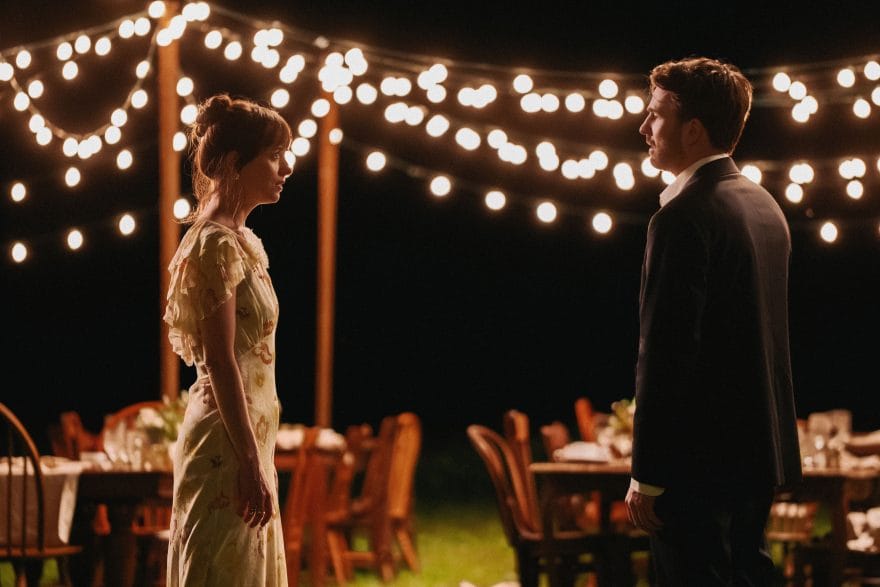
16. Materialists – I’ve been singing the praises of Celine Song’s romantic comedy since its release over the summer, where it was dismissed by many critics as being a major step down from her previous film, the lauded romantic drama Past Lives. The way Song examines the American economic divide through the lens of a jaded matchmaker (Dakota Johnson, in one of her best performances) who finds herself torn between her schlubby actor ex (Chris Evans) and a wealthy, charming finance guy (Pedro Pascal) is smart and crowd pleasing at the same time. There’s a distinct layer of cynicism that never threatens to eclipse a brighter story about people desperate for connection, but burdened with unrealistic standards they can’t seem to shake until its too late. A great look at the imperfection and impermanence of true love. Just like Past Lives.
15. The Tale of Silyan – Who knew that a documentary about the bond formed between a down on his luck Macedonian farmer and an injured stork would be able to so eloquently speak to a number of different topics at once? Oscar nominated filmmaker Tamara Kotevska (Honeyland) gets to know Nikola Conev and his family as they try to navigate a crumbling economy for farmers. Eventually things get so dire that Nikola is left alone to sell off his family’s land, with everyone else leaving the country for better opportunities elsewhere. The title refers to an old folk tale that becomes a unique parallel to life when Nikola begins to care for an injured white stork. Equally an insightful look into the plight of European farmers, folk tales, familial bonds, and our relationship to the natural world, Kotevska’s film takes on a lot of baggage, but turns it into something fully contained.
14. Sound of Falling – Impressionistic, stoic, and steeped in death, decay, and generations of abuse, Mascha Schilinski’s Sound of Falling (Germany’s Oscar hopeful and a Jury Prize winner at Cannes) is a haunting, solemn work that’s not for the faint of heart. Blurry timelines and memories collide and overlap across four generations of women (the First and Second World Wars, the 1980s, and present day) from the same family and centred around the same farmhouse. It’s a very slow build, taking almost ninety minutes to fully coalesce into anything, but once things become clearer, Schilinski’s work is impossible to shake. It’s a film that dares to question if a life of struggle and open hardship is one that has been lived in vain.
13. Eephus – The best hangout movie of the year is Carson Lund’s charming debut feature Eephus, named after a famously hard to hit pitch that seems to defy physics and logic. Set amid a bunch of New Englanders in the early 90s about to play their last beer league game at the local baseball diamond, Lund’s freewheeling, funny, and warm hearted movie sits back and lets the viewer observe these folks in their natural, unforced, but frequently bothered habitat, examining the sense of community, togetherness, and belonging that they all stand to lose by the end of a hilariously overlong game. Like the best sports movies, you certainly don’t have to enjoy baseball to like Lund’s work here. In fact, it makes a great case at wondering why anyone would bother with such triviality in the first place outside of pure love for the hangs.
12. Sorry, Baby – A delicate dissection of trauma that balances sadness, frustration, and humour in equal measure, writer/director/star Eva Victor’s first feature is a careful movie that deals with the aftermath of unwanted sexual contact in a frank and poignant manner, never going over the top or grandstanding for the sake of making a point. Victor plays things as they lie, no matter how messy the situation at hand. This is a film that never flinches, but also never goes too far as to appear like a showy drama. It’s about the people, not necessarily the situation, which makes it all the more amusing and heart-wrenching. It also has the best scene of someone eating a sandwich that I can think of.
11. It Was Just an Accident – Iranian filmmaker Jafar Panahi’s latest and most emotionally severe effort to date is about people who are in way too deep and can’t turn back around before it might be too late. It’s a story about potentially justified revenge, emotional manipulation, and a country where the totalitarian regime in charge has made truth an impossible to obtain commodity. It starts with the death of a dog and builds to the death of the human spirit. Bleak, sure, but also playful and richly textured.
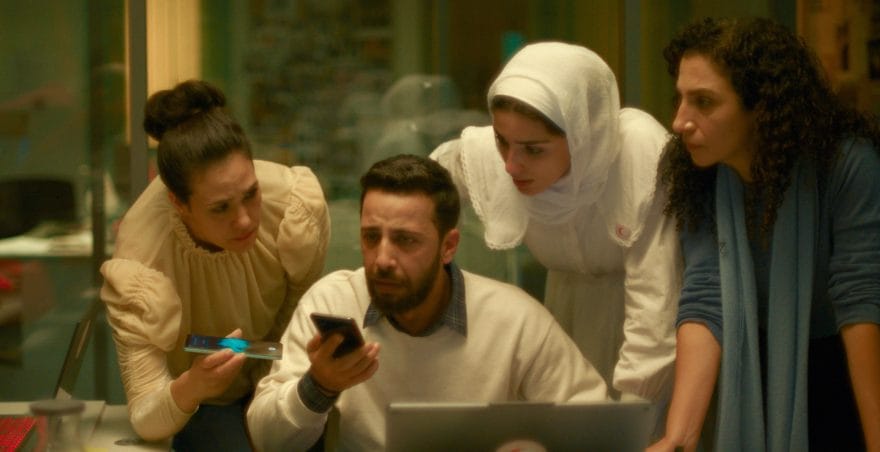
10. The Voice of Hind Rajab – A film of great urgency, both narratively and politically. Filmmaker Kaouther Ben Hania (Four Daughters) retells the story of a group of Red Crescent first responder volunteers in Gaza who are desperately trying to save the life of a young girl who’s calling from a car surrounded by Israeli troops and gunfire. All of her other family members that were in the car are dead, and the frustrated volunteers quickly learn that getting a team in to help rescue the girl is next to impossible. Not solely a film about the current conflict in Gaza, but also a nerve jangling account of the real life events that takes cues and dialogue from the actual emergency call, and a look at the ways war can create bureaucracies that are as detrimental to human life as the bullets being fired. A heartbreaking, but vital film.
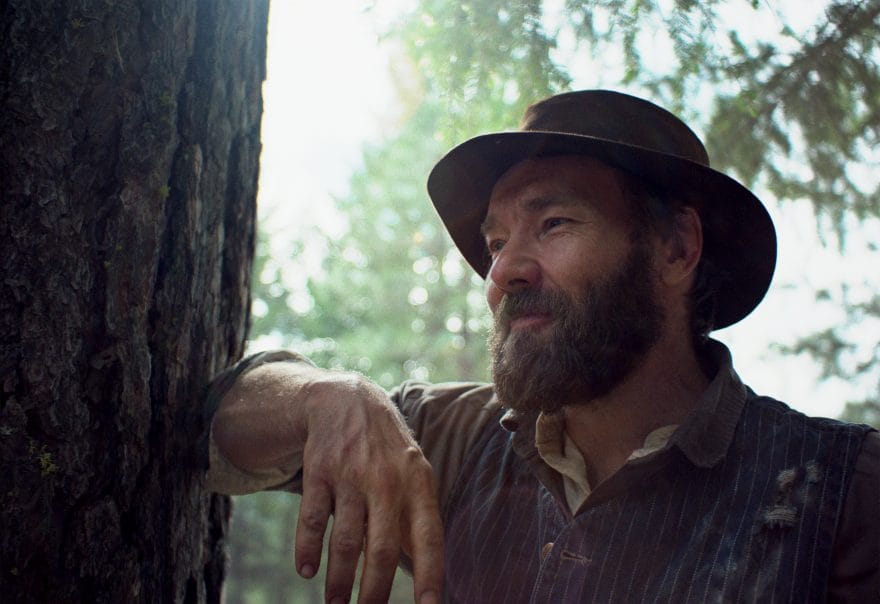
9. Train Dreams – Clint Bentley gives Joel Edgerton his best role to date in this elegiac adaptation of Denis Johnson’s novella of the same name. As a labourer of few words who toiled for decades building railroads in the American Pacific Northwest, Edgerton portrays the perfect embodiment of still waters running deep. He doesn’t complain much, but he does question a lot of what happens around him (unsafe working conditions, exploitation, racism), but like many he does whatever is necessary to get through the day and return to his wife (Felicity Jones) and child. But when his own personal life is upended, this everyman is sent on a spiritual spiral that takes time to heal and unwind. The best shot movie of the year, Train Dreams captures natural beauty befitting of this character and his world. A delicate, unique piece of work.
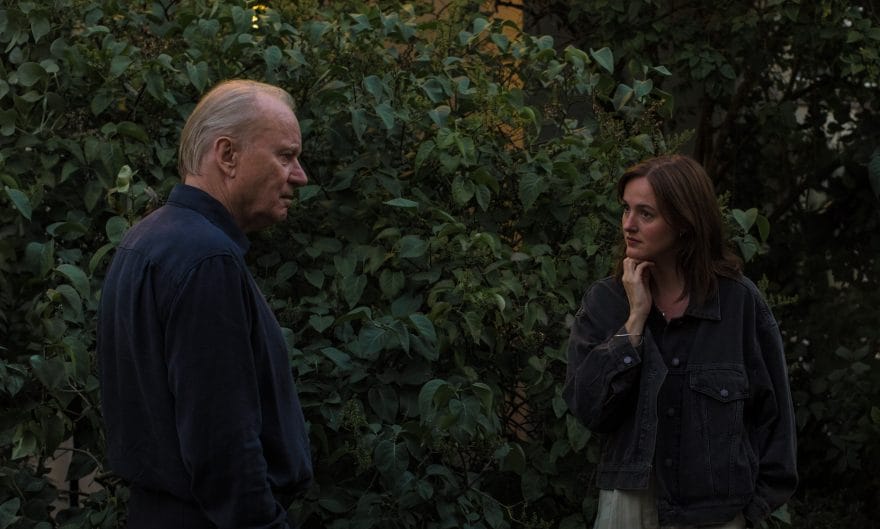
8. Sentimental Value – Joachim Trier continues to evolve as a filmmaker with this look at sisters (Renata Reinsve and Igna Ibsdotter Lilleaas) uneasily reconnecting to their estranged, self-centred filmmaker father (Stellan Skarsgård, at his finest) following their mother’s funeral. When the adult daughters balk at dad’s attempts to include them in a passion project of his, that’s when Trier’s character study comes into its own, blossoming into three separate, but emotionally linked life paths, all of which are exceptionally written and realized.
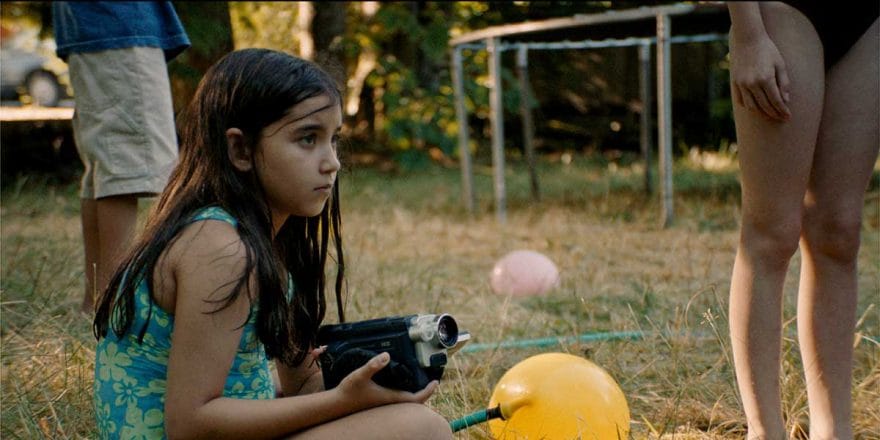
7. Blue Heron – Sophy Romvari’s first feature, like her shorts before this, pulls from personal experience as a child of immigrant parents. Told from the perspective of an eight year old girl (Eylul Guven), Romvari weaves a delicate story of a Hungarian family trying to settle in to a new home in Canada, only to have their lives consistently put on pause thanks to the unpredictable outbursts and troubling behaviours of her older stepbrother (a remarkable Edik Beddoes). Nothing about Romvari’s depiction of a family fluctuating between happiness and stability and a looming darkness is conventional or cliched. Everything that occurs in Blue Heron showcases Romvari’s preternatural intuitiveness and an ability to get inside the heads of characters both old and young with striking detail and emotional resonance. Blue Heron is the finest Canadian film of not only this year, but the decade thus far.
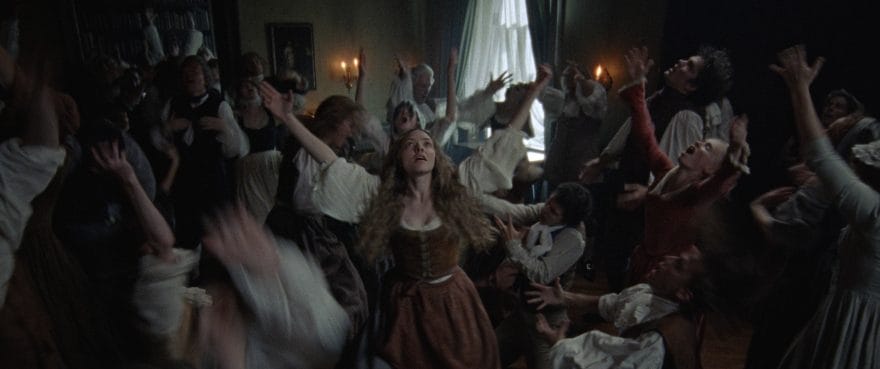
6. The Testament of Ann Lee – I’m surprised that Mona Fastvold’s musical about the life of the titular Shaker leader hasn’t made bigger waves. It’s nothing short of a masterwork in terms of bravery, storytelling, visual acuity, and performance. It takes a lot of conviction to create a film of such profound conviction, faith, and complex morality; something reflected in Amanda Seyfried’s revelatory lead performance, which isn’t just a high point for the actress, but the best performance from anyone all year. Period. This is bold, big swing filmmaking made without compromise. It deserves to be celebrated.
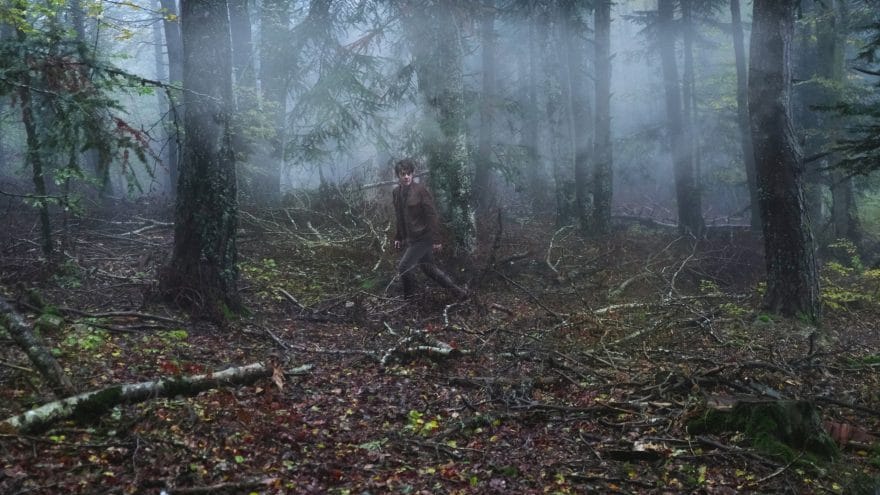
5. Misericordia – French filmmaker Alain Guiraudie’s masterfully paced and executed Misericordia is the rare example of a thriller that wants you to laugh along with it. Granted, at the start it doesn’t feel like the kind of situational family drama or cat and mouse game that one necessarily feels comfortable chuckling at, nor is it a film that’s so misguided that it lapses into hilarity. Just as it takes time for Guiraudie (the equally masterful and even queerer Stranger by the Lake) to set the stage for this tale of small town secrets and hidden desires, Misericordia edges into comedic territory so slightly, but potently that the audience will barely notice it happening. It’s so deadpan that viewers might still have trouble laughing at the film, but they’ll notice that a lot of this has taken a turn to the farcical. It’s a brilliant, character driven thriller that bucks convention at every turn. It’s also a lot of fun for thinking adults, which is a rarity in cinema these days. A misanthropic gem that will make viewers see omelettes in a whole new light.
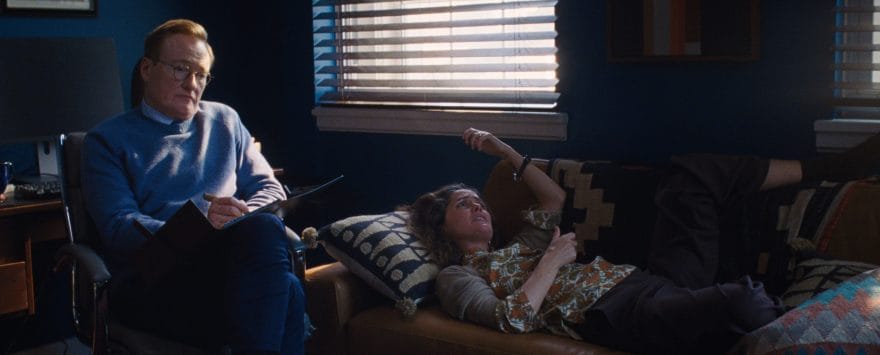
4. If I Had Legs, I’d Kick You – It’s no shock that the intense drama and impact of Mary Bronstein’s story of a harried woman in emotional free-fall comes from the mind of someone who has collaborated with Josh Safdie and Ronald Bronstein (who we’ll be getting into in just a moment), as they’re all synonymous with crafting cinematic powder kegs with long ominous fuses attached. Rose Byrne devastatingly and humorously portrays a therapist who has obviously never heeded the “physician heal thyself” axiom a day in their life; a woman who has to deal with a child’s mysterious illness and a giant hole in her bedroom without any real emotional help or guidance. Byrne’s protagonist isn’t all that likable, but Bronstein makes the viewer care about her plight, simply because they probably wouldn’t know just what to do either. This is a work of tremendous darkness and bottomless empathy, anchored by an eclectic cast that does wonders by the material (including top notch work from Conan O’Brien and A$AP Rocky). It portrays motherhood as a vice grip, for better and often for worse.
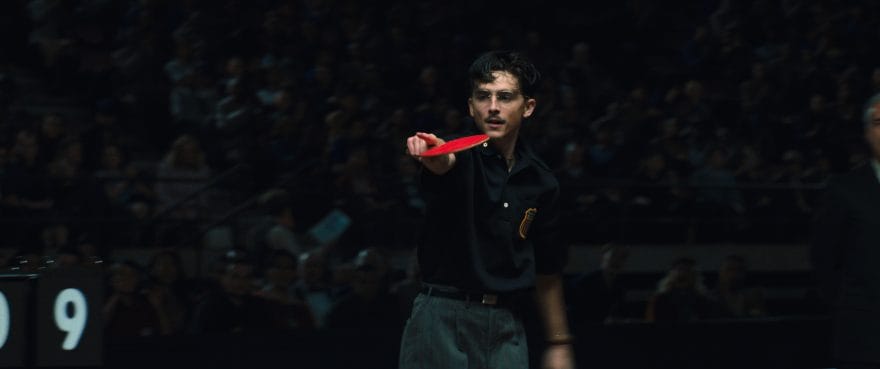
3. Marty Supreme – Speaking of Josh Safdie and writer Ronald Bronstein, they’re responsible for this year’s other big time, big dreaming bit of cinematic anxiety: a film that manages to make an unlikely hero out of an unreliable, entitled hustler amid the backdrop of 1950s competitive ping pong. Timothée Chalamet locks the fuck in as Marty Mauser, a shoe salesman who’s determined to make a huge name for himself as a table tennis champion. Nothing will deter his crusade to be the greatest man alive; not his poor decisions, not his lifestyle, not his ability to make enemies out of everyone he comes across. Marty is a little shit, but his determination, swagger, and confidence make him impossible to turn away from. Safdie returns to the kind of intensity that made Good Time and Uncut Gems before this such unforgettable experiences, but adapts that kind of kinetic storytelling to something altogether different. Marty’s stakes are the ones he makes up in his own mind. He creates danger in numerous ways, not just a singular one. And even at two and a half hours, Marty Supreme goes by in the blink of an eye. As powerful and jolting as an electrical charge.

2. One Battle After Another – I didn’t want to have to choose between the top two films of the year. Part of me wanted to put these last entries as 1A and 1B. But after combing through 98 other entries here (or even if you just skipped to the end or top ten), I felt like that would be a cheat. The honest tie breaker between Paul Thomas Anderson’s cinematic masterclass and the film that took the top spot is the number of times I have seen them and how many new things I took away from each subsequent viewing. Both the number one and two films are more than enough to renew someone’s faith in cinema. And it helps that both aren’t just exceptionally made works of art, but wholly entertaining and original ideas birthed from great thinkers who seek to move the medium forward while paying homage to the rich literary, musical, and performative histories that came before. A better adaptation of Thomas Pynchon than Anderson’s already trippy Inherent Vice, One Battle After Another is a film that is the definition of iconic. As is…
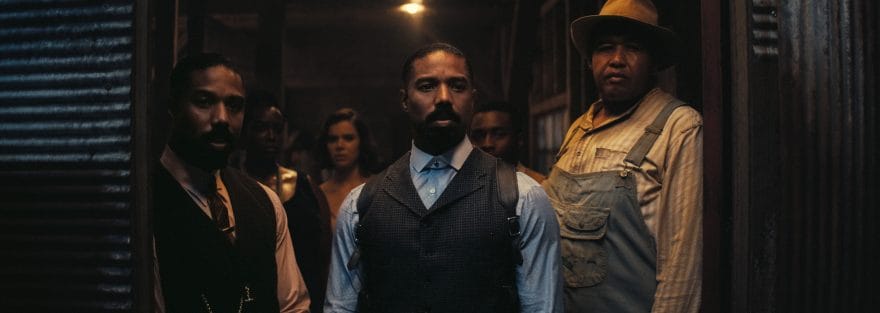
1. Sinners – …Ryan Coogler’s Sinners, a film that pulls from cinematic traditions in extraordinary ways. A luminous film that blends horror, action, history, and musical folklore into an airtight package that doesn’t stop even when the credits start to roll, Sinners exists at a crossroads where tradition and innovation intersect. Musicality exists within its bones. The history of generations pulses through its veins. Coogler’s eye for images that are even more poetic than the words on the page is unsurpassed this year. It is a wholly immersive experience to watch Sinners in a theatre. And it’s marginally the best movie of 2025.
