
An irreverent blend of comedy, action, thrills, and biting satire, One Battle After Another is a masterwork from writer-director Paul Thomas Anderson; one of the finest films of an already stellar career. Working on his largest and most ambitious scale to date, Anderson once again turns to author Thomas Pynchon for inspiration (loosely adapting the novel Vineland this time) and delivers something that’s more mainstream leaning than Inherent Vice. But that also might be because One Battle After Another is also funnier that that film and closer to the pulse of our current historical moment. And in contrast to some of Anderson’s other lengthy, worthy efforts that take their time, One Battle After Another finds the director abandoning his usually slower pace in favour of a nearly three hour bonanza that blows by in the blink of an eye.
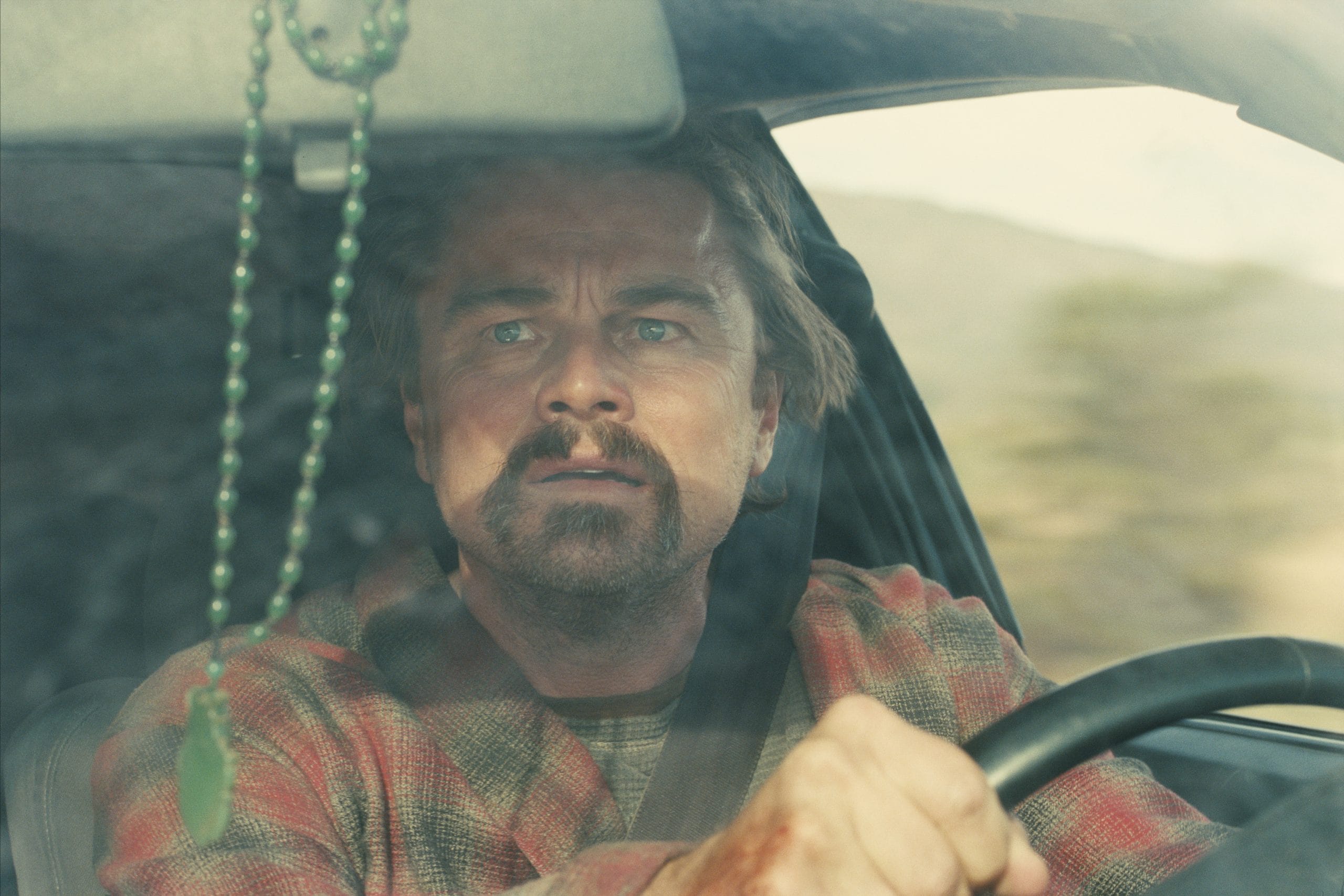
Bob Ferguson (Leonardo DiCaprio) is the unlikely explosives and demolitions expert for an American revolutionary group known as the French 75, a band of renegades who believe in free bodies, free borders, and free choices. Bob finds himself romantically attached to the brash, outspoken, and sometimes uncouth black militant Perfidia (Teyana Taylor). The group makes a powerful enemy in the form of Colonel Steven Lockjaw (Sean Penn), who has palpable, unlikely sexual chemistry with Perfidia. Lockjaw gets his claws into Perfidia, hooking up with the revolutionary and causing her to rat out her entire crew. She goes into witness protection for snitching, while Bob and his comrades are forced to go on the run, leaving him alone with a child he believes to be his. Years down the road, Lockjaw resurfaces in Bob’s life when the military man wants to become a member of a powerful “racial purification society” hilariously known as the Christmas Adventurers. If the group finds out that the now teenage kid Bob has been protecting, Willa (Chase Infiniti), is really Lockjaw’s, the girl’s mixed race will disqualify his membership. Now a burnt out, perpetually paranoid, perma-stoned shell of his former self, Bob has to try and figure out how to protect Willa from Lockjaw’s pursuit.
In his most energetic and briskly paced film since Magnolia, Anderson starts things off with a blend of the silly and serious. One Battle After Another opens by depicting a world where immigration detention centres house undocumented migrants in subhuman conditions, and the battle to free these people from their plights. Then things get strangely horny (with the first major joke being a boner gag that deftly rides a fine line between being funny and horrific) and despairing before offering up the joke that not much changes in the future. Everyone in One Battle After Another is fighting for power and control, but none of them seem to have a clear definition of what that entails. They want to feel important, but just as often want to be ignored, especially Taylor’s firebrand Perfidia, a true free spirit who demands acknowledgment, but paradoxically resents attention.
This push and pull between attention and privacy could be one of the reasons why Gil Scott-Heron’s seminal “The Revolution Will Not Be Televised” plays such a huge role in One Battle After Another. The revolutions depicted in Anderson’s film – both progressive and oppressive – happen in specific corners of American life, ones that aren’t often paid much attention to by the masses because they seem ridiculous at a passing glance. Penn – who was born to play a psychotic, aggressive, aggro goofball – lands the tone of this dichotomy perfectly. He’s a buffoon and a threat in equal measure. He’s easy to laugh at and cheer for his downfall, but he’s also a credible, all too realistic threat capable of untold menace. Anderson and Penn work in tandem to ensure that both the humour and seriousness come through in equal measure, keeping the viewer engaged and always on their toes.
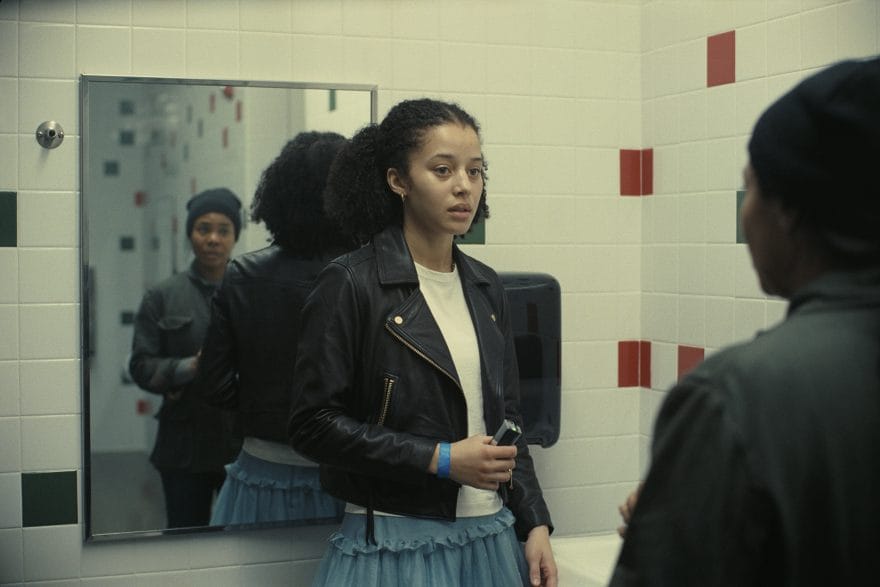
Penn’s Lockjaw might have its genesis in a book crafted at the tail end of the Ronald Reagan administration that was based in Nixon era resistance, but Anderson updates Pynchon’s material for an era where protest breaking and ICE raids are a daily occurrence. The revolution and resistance of generations past is no longer effective, and the youth of America might prove to be better freedom fighters (and in some cases oppressors) than their forebearers. In this respect, Infiniti shines brightly as the closest thing One Battle After Another has to an audience surrogate, the one person who adequately recognizes the surreality and gravity of the situation at hand. Inifiniti’s Willa is witness to the tragic, yet uniquely hilarious destruction of the American empire and the democracy it has been built upon.
For his part, DiCaprio gives one of his best and most layered performances, with a character that requires him to be a different breed of comedic and dramatic action hero. The warmth and concern Bob shows for his daughter makes him an ideal single, stoner dad, but his paranoia and frustration often get the better of him at inopportune moments. DiCaprio makes perceptive choices amid Anderson’s heightened atmosphere, crafting Bob into someone the audience wants to laugh along with instead of merely enjoying the character’s bumbling ways. He’s not much of a hero in the traditional sense, but certainly a flawed, determined human being worth rooting for. His best scenes also come opposite Benicio Del Toro, in a pivotal supporting role as Willa’s helpful, collected, and connected martial arts instructor, a key ally in Bob’s quest to save his daughter from Lockjaw’s selfish mission.
The jokes here are as plentiful as the action, with Anderson pulling off some crackerjack chases sequences and shootouts to keep the energy level high. The gorgeous locations and set pieces are masterfully captured in large format VistaVision (which is making a low key comeback after this and last year’s The Brutalist) by cinematographer Michael Bauman (who shot Anderson’s last feature, Licorice Pizza). Frequent Anderson collaborator Jonny Greenwood also contributes his most pulsating and immediate musical score to date, keeping the pace of One Battle After Another moving along to a perfect rhythm.
One Battle After Another arrives at a unique point in human history, not just cinematic history. It’s custom made for savvy viewers looking to laugh and have a good time to keep from crying about how badly things have gone in recent years. One Battle After Another is filled with surrealist touches and larger than life characters, but none of them feel that far divorced from our current reality. The fears depicted in One Battle After Another and the strength needed to rally against them are handled in an unusually charming, but no less pointed manner. I hate saying that a film is made for the current moment, because such a sentiment seems trite, but Anderson’s stroke of genius certainly fits that bill better than many other movies saddled with the same moniker.
One Battle After Another opens in theatres everywhere on Friday, September 26, 2025.
