
Streaming services promised something exciting when they first appeared: endless discovery. With thousands of movies and series available at any moment, viewers suddenly had more choice than ever before. New releases arrive almost every week, and platforms constantly highlight the latest titles. Yet when many people sit down to watch something in the evening, they often end up pressing play on a show they’ve already seen.
It’s a quiet trend of the streaming era. Instead of exploring something new, viewers return to series they know almost by heart. Shows like Friends, The Office, or Brooklyn Nine-Nine continue to attract audiences years after their original run. The episodes are predictable, the characters are familiar, and that may be exactly the point.
Why familiar stories feel easier to watch
Every day is already filled with a constant stream of information. Emails, messages, news alerts, social media; and most people spend their entire day processing new things. By the time evening arrives, the last thing many viewers want is a complicated storyline they have to concentrate on.
Rewatching a familiar show offers some comfort in a very full day. The viewer already understands the characters, the humour, and the rhythm of the story. There’s no effort required to follow the plot. You can watch half an episode while cooking dinner, or let it run in the background while answering a message.
In many ways, it’s almost like comfort food. They’re predictable, easy to revisit, and oddly reassuring.
Streaming has also made it possible to watch those comfort shows almost anywhere. People continue episodes on laptops during a trip, on tablets in hotel rooms, or on phones while waiting at an airport. Because of that, some viewers also think more about how they connect to the internet when streaming outside their home network.
For example, travellers use services such as ExpressVPN to secure their connection when accessing streaming platforms across public or unfamiliar networks.
Streaming changed the way we rewatch
Before streaming services existed, rewatching a show wasn’t always easy. Viewers depended on television schedules or reruns. If you missed an episode, you simply waited for it to appear again months later.
Now the situation is completely different. Entire seasons are available at once, and viewers can jump to any episode they want within seconds. That convenience naturally encourages repeat viewing.
Researchers studying media consumption have noticed this shift. Work published by the Pew Research Center, which examines how people use digital platforms, shows how streaming services have reshaped viewing habits and everyday media routines. Meanwhile, audience studies from Ofcom highlight how on-demand platforms have steadily replaced traditional broadcast viewing for many audiences.
In other words, streaming didn’t just give viewers more options. It also made returning to familiar content effortless.
Too many choices can lead back to the same shows
Ironically, the huge volume of content available today may actually encourage people to rewatch old favorites. When faced with hundreds of titles on a platform, deciding what to start can feel surprisingly exhausting.
A familiar show solves that problem immediately. You already know what you’re getting, how long the episodes are, and what mood the show creates. There’s no risk of committing to a series that turns out to be disappointing.
That’s why many viewers return to the same shows again and again. They’re not necessarily avoiding new content—they’re just choosing something that feels easy and reliable.
Streaming platforms will continue producing new films and series at a rapid pace. But the growing popularity of repeat viewing suggests something interesting about how people actually watch television today. Sometimes the most appealing option on the screen isn’t the newest show. It’s the one you already know.
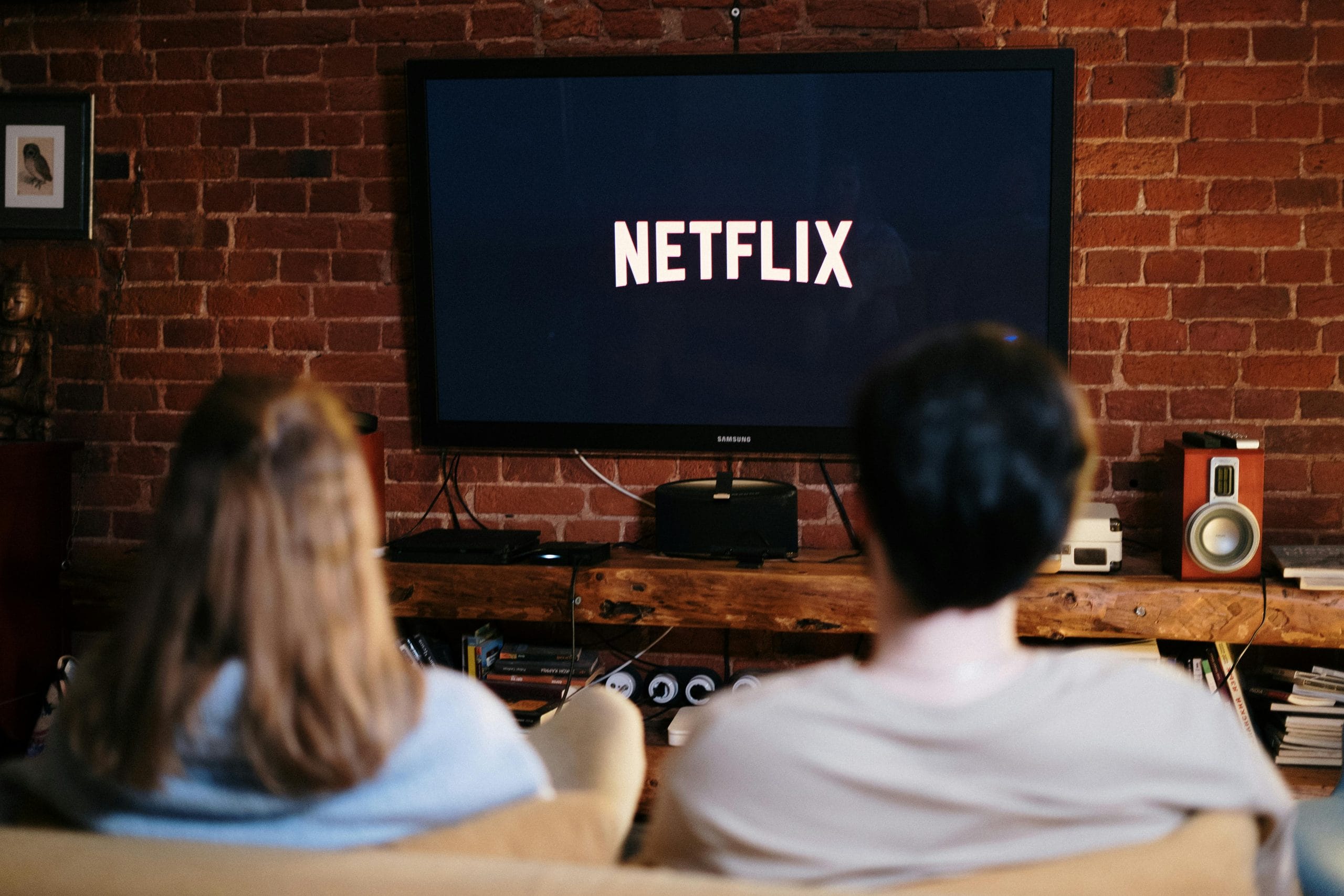
Photo by cottonbro studio.
