
Although the stylistic execution adheres closely to the true crime playbook, the engaging, offbeat, and unique limited series Cowboy Cartel shows a deep appreciation for procedure. Cowboy Cartel deals with a dangerous, feared subject – Mexican drug cartels – but looks at the fight to take them down more from a unique perspective. Instead of speaking with law enforcement officials battling cartels in the streets, directors Dan Johnstone and Castor Fernandez profile an intrepid group of Texas FBI agents – including a very unlikely hero – as they follow an unusual lead towards toppling one of the biggest, most ruthless criminal syndicates in the world.
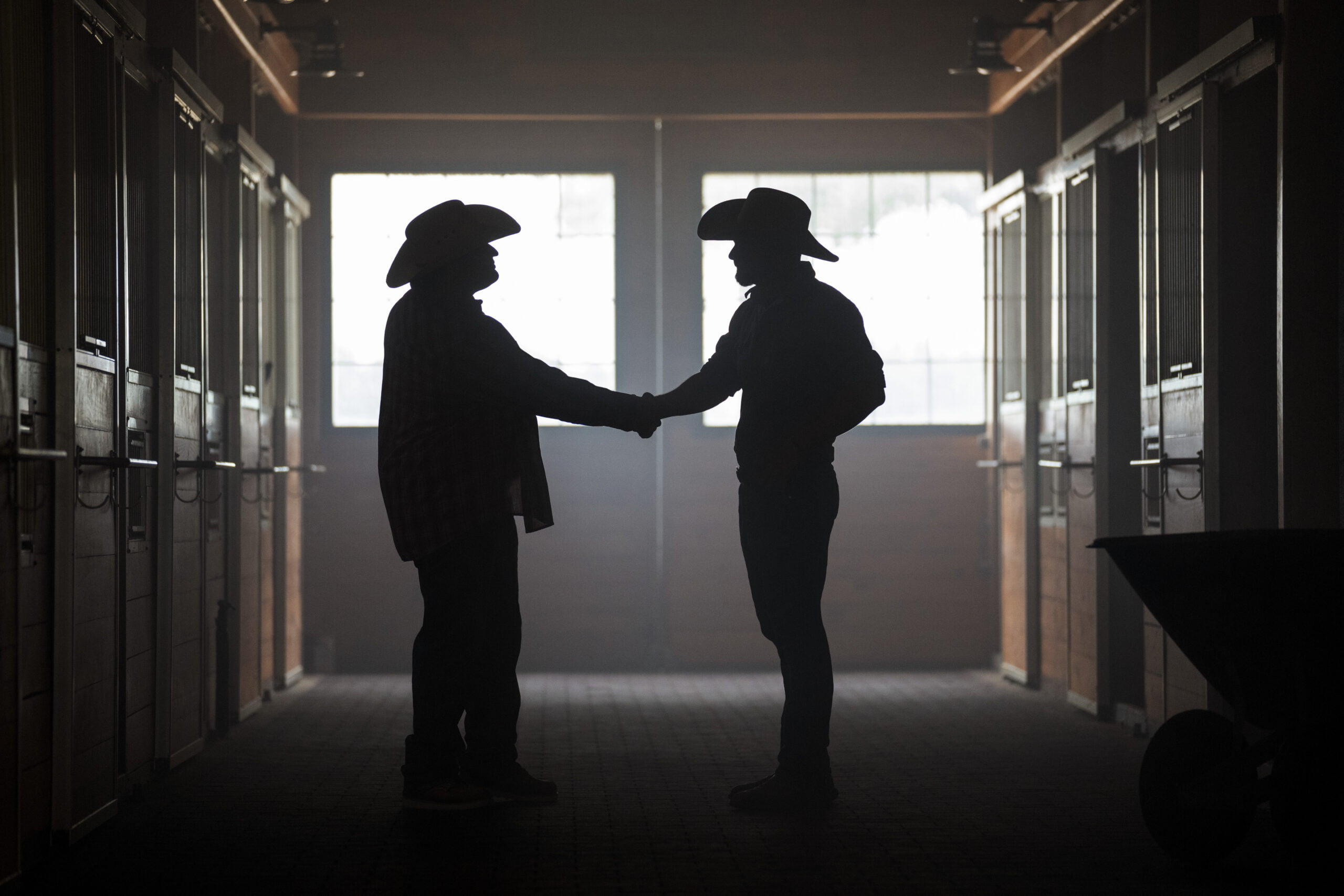
The story picks up in 2010, when rookie FBI agent Scott Lawson has been given his first job posting in Laredo, Texas, the biggest trade crossing between the U.S. and Mexico. It’s a rugged, and not particularly glamorous job for someone just starting out, especially given the outbreak of cartel violence just over the bridge in Nuevo Laredo, Mexico. Lawson is assigned a case that should be a chip shot for a rookie, even if it isn’t solved: investigating a potential money laundering ring revolving around the abnormal sale of quarter-horses (a.k.a. the preferred steed of the American cowboy). This simple inquiry by a novice officer into a subculture of horse racing and purchasing that’s easily corruptible and has almost no regulation or oversight would kick off a three year, multi-jurisdictional investigation that would reach the upper echelon of a brutal cartel, Los Zetaz, the very group that has controlled drug trade along the border with scare tactics, ultra-violence, and iron fists.
Cowboy Cartel presents itself in a similar fashion to many other true crime epics: well lit interviews, perfectly placed edits to hammer things home and make certain reveals obvious, slick re-creations of key events and testimonies. In terms of appearance and style, Fernandez and Johnstone’s approach is standard and par for the course. But that might’ve been a smart move when one considers that even with a cartel connection, making intricate money laundering schemes into a kinetic, engaging topic that an audience can follow along with easily is no small feat. By keeping things simple, Cowboy Cartel earns the ability to get specific with the details, and therein lies the real meat and potatoes of the story.
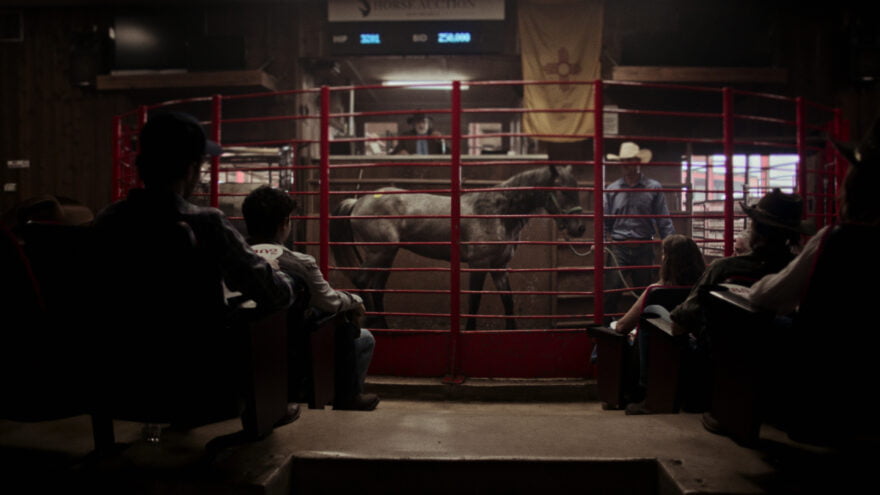
Fernandez, Johnstone, and many of their interview subjects are in awe with what Lawson and his team were able to accomplish when up against one of the most untouchable and well connected cartels to ever hold sway over a huge portion of the border. Cowboy Cartel gets off to a slightly rocky start by repeating some points in a bid to establish a dramatic base, but Johnstone and Fernandez find their footing and sense of pacing quickly from there. A lot of Cowboy Cartel concerns stakeouts and protecting confidential informants, but even more of the series is devoted to the nuggets of gold that were found in the enormous paper trail left by the buying and selling of these horses. There are plenty of a-ha moments throughout the series, and many of them come as a result of very old school detective work and following the money wherever it may lead. With each new revelation, the viewer can see the giddy reactions from Lawson (a likeable protagonist) and the various agents within his orbit. With each new clue, more people start getting involved, creating a snowball effect to make more law enforcement agencies take notice. A genuine sense that something can finally be done about the cartel starts to take hold after years of futility.
That love for the sometimes mundane aspects of policing shines through brightest in Cowboy Cartel, but so too does the danger of taking on a band of criminals that’s run by ex-Special Forces soldiers. There is death, very real threats against key players on both sides of the law, and a constant state of paranoia that becomes most potent in the series’ final episode. There’s also a fascinating thread about journalistic ethics and responsibility told through the story of former New York Times journalist Ginger Thompson, who was working on a story about The Zetaz parallel to the ongoing FBI investigation. When those paths finally end up crossing, there’s a chance they could end up derailing each other.
Johnstone and Fernandez have lucked into a heck of a story here: one that’s complex, lends itself well to documentary conventions, and something that hasn’t been told on this sort of scale before. There’s nothing revelatory about how Cowboy Cartel presents itself, but the substance and how it’s handled fascinates throughout. As a deep dive into investigative, white collar crime procedure and some of the finer, less recognized details of cartel culture, Johnstone and Fernandez’s work takes a road less travelled by many true crime docu-series. Genre junkies and research nerds will have a field day with this one.
Cowboy Cartel premieres on Apple TV+ Friday, August 2, 2024.
