
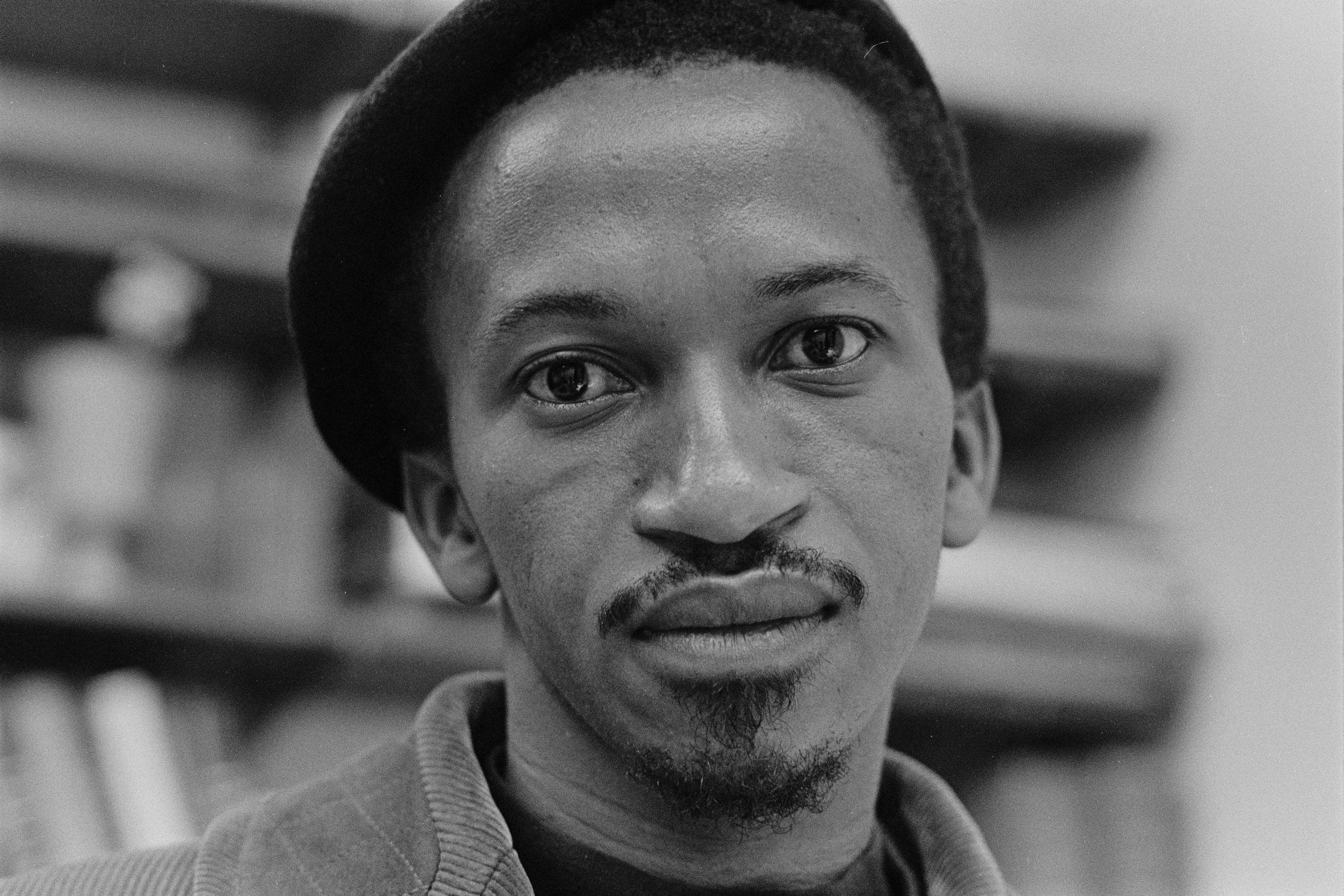
Documentarian and scholar Raoul Peck’s Ernest Cole: Lost and Found enhances and smartly contextualizes the work of a photographer who was never properly appreciated throughout most of their career and lifetime. A film that wisely lets the images and words captured and written by its subject do most of the talking and heavy lifting, Ernest Cole: Lost and Found is a melding of art, social commentary, and biography working together in harmony, with each layer nicely informing everything else around it.
Born in Pretoria during South African apartheid, Ernest Cole first made a name for himself with his landmark 1967 volume House of Bondage. The book captured such stark images of segregation, oppression, and outright criminality – many of which hadn’t been properly documented in Europe or the western world to that point – that he was banished from his homeland prior to its publication. Cole relocated to America, where he continued his career documenting life in the Jim Crow south and the hardships faced by marginalized urban dwellers. His work never reached the same heights of acclaim, with his images often criticized at the time for being “too soft.” Cole went from being a celebrated artist to living out of a New York City train station; whose photographs remained unseen. He never stopped working. People stopped noticing. And he died of cancer at the age of only 49 in 1990, mere days after Nelson Mandela was freed from prison.
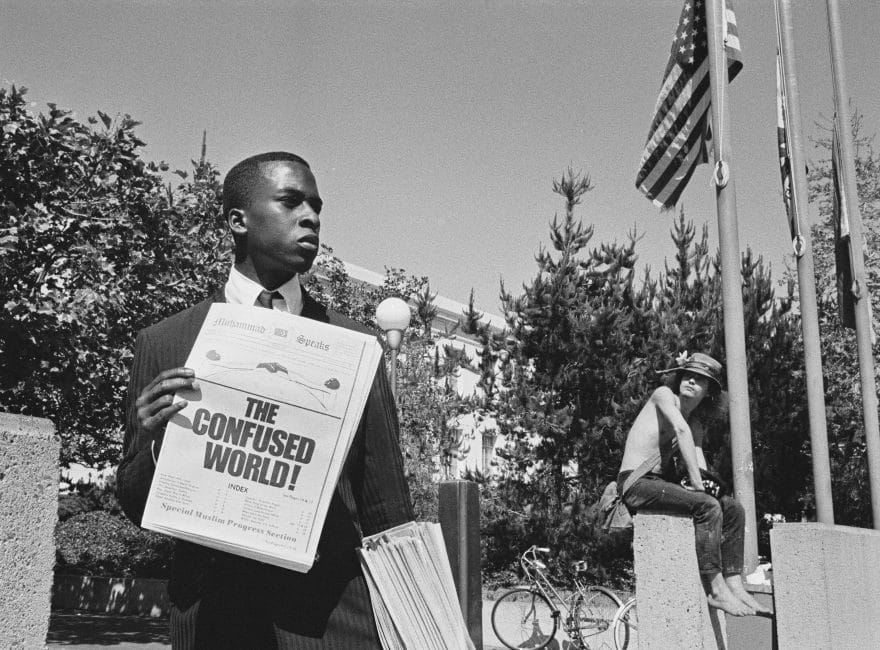
Ernest Cole: Lost and Found provides a lot of historical and biographical bedrock to tell the story of the artist’s early years, but the challenge for Peck (I am Not Your Negro, Silver Dollar Road) comes in the form of recreating the fear and pain he felt during his years in America. It was long believed that Cole had stopped working as a photographer sometime in the late 1970s, but the discovery of an archive at a Swedish bank in 2017 proved otherwise. Overseen by Cole’s nephew, Leslie Matlaisane, the archive provides the sort of in-depth and artistic details that Peck needs to fill in the gaps of a life that should’ve been documented in greater detail during the artist’s lifetime, instead of sadly after the fact. This includes bringing Cole’s notes and journals to life in the artist’s own words, with the help of actor LaKeith Stanfield providing narration.
The overarching arc of Cole’s life is one of tragedy and struggle, but his photographs told moving stories of similar lives. Each image contains multitudes of perspectives and commentaries within a single frame, especially in the documenting of his South African hometown getting razed to the ground, or in his looks at the harsh lives of miners, housekeepers, and street dwellers. In his travels, Cole found the contradictions of daily life, but never once found any justification for oppression or segregation. In South Africa, he saw repression and many degrees of government sanctioned injustices, but he was more nervous and afraid about what he saw in America, especially in the deep south. Ernest Cole: Lost and Found does more than a gallery exhibition of his photographs could hope to do. Peck’s film illustrates precisely why Cole’s work is invaluable on historical and educational levels, and it does so in a humane way, without being didactic or coldly factual.
The latter stages of Ernest Cole: Lost and Found, which focus on the artist’s later years in obscurity and poverty, are heartbreaking. Peck makes it seem rightfully unfathomable that Cole’s work went so uncelebrated and unappreciated for so long. It’s all well and good that now people will gain a larger appreciation of the film’s subject, but even more tragic that his work wasn’t largely appreciate during his lifetime, and at a point in American history where these images could’ve made a larger impact if given the proper platform. It might be too late to retroactively reclaim Cole’s career to any meaningful degree beyond giving his family some closure and support, but it’s never too late to learn from the images he left behind.
Ernest Cole: Lost and Found screens at TIFF Lightbox in Toronto on December 6 & 11, 2024, at VIFF Centre in Vancouver on December , 7, 9 and 10, Dave Barber Cinematheque in Winnipeg on December 6, 7, 8, 11, 13, and 21, The Amherst Theatre in Amherst, NS on December 19, Hot Docs Ted Rogers Cinema on January 3 and 5, 2025, and Cinecenta in Victoria on February 4, 2024.
