
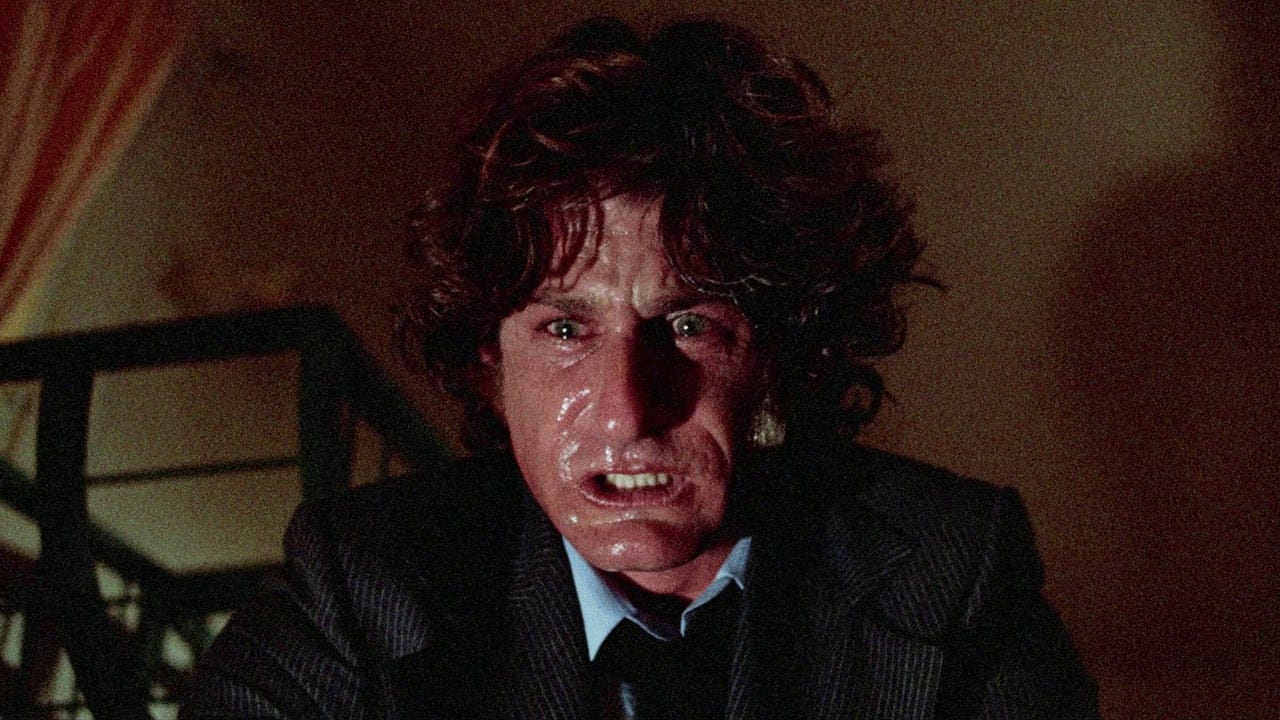
Cult writer-director Jeff Lieberman’s 1977 thriller Blue Sunshine captures a specific moment in cultural history that – like many great movies – has found a renewed bit of relevancy. A B-movie with a lot of value – both in terms of entertainment and subtext – Blue Sunshine is simultaneously a slasher, a drug scare film, an indictment of the United States government, and an era perfect conspiracy thriller all rolled into one go-for-broke package. Recently remastered on 4K and Blu-Ray with the help of AGFA and distributed to the masses by the gleeful, scholarly sickos at Synapse Films, Blue Sunshine is an often overlooked gem from the era where conspiracy thrillers reigned supreme.
Blue Sunshine stars Zalman King (prior to becoming one of the most sought after softcore erotica creators for both the big and small screens) as Jerry Zipkin, an everyman accused of committing a string of brutal killings because he was in the wrong place at the wrong time. You see, Jerry was at a party where a seemingly normal guy named Frannie (Richard Crystal) suddenly snapped and murdered three women, leaving the shocked Zipkin to discover the “crispy” aftermath. With the help of his friends – Dr. David Blume (Robert Walden) and Alicia (Deborah Winters) – Jerry goes on the run to try and clear his name. Jerry discovers that Frannie’s killings weren’t a freak occurrence, and the incident was tied to the use of a strain of LSD called Blue Sunshine a decade earlier at Stanford University. The tainted LSD turned its users into ticking time bombs who go rapidly bald, experience horrific nightmares, and become overly sensitive to loud noises before they go off into murderous rages. At the heart of the matter is Ed Flemming (Mark Goddard), a politician running for office who dealt the drugs that are just now causing the deaths of dozens.
Coming out in the aftermath of the Watergate scandal, at the end of the hippie era, and amid the disastrous American withdrawal of troops from Vietnam, Blue Sunshine was a film that was able to tick all of the biggest social boxes during the era. Lieberman’s vision of America is a bleak, drab one; a broken world that moves at half speed and is more reactive than proactive. (This is to also say nothing about the way that governments experimented heavily with the likes of LSD and other similar drugs to create killers, operatives, or patsies, themselves.) Latent, suppressed rage comes bubbling up to the surface by way of a seed that was planted years prior; a sort of chemical karma. The very concept of a psychotropic drug that harms its user well after ingestion becomes an ouroboros. Those who seek to avoid violence in one era can easily become those who commit it in the next, even the politicians who want to make American “good” again.
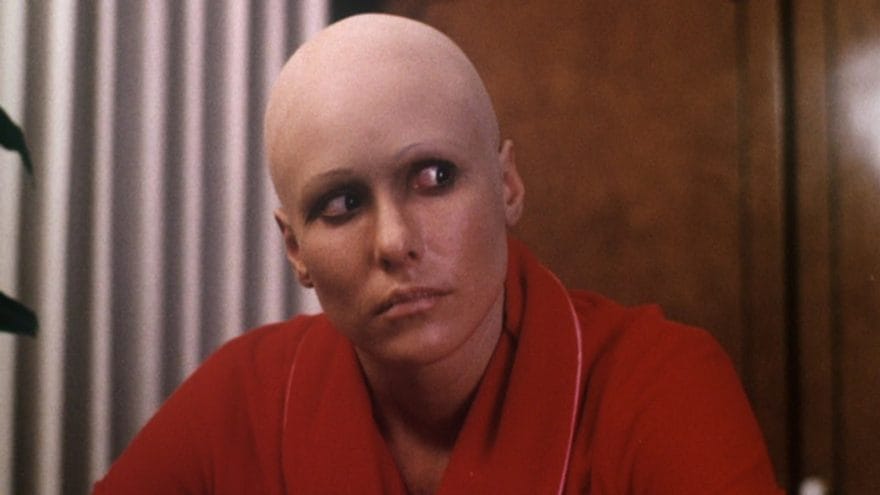
Blue Sunshine is often classified as a horror film, and the 4K transfer of the film – which retains a lot of pleasing grit and grime – speaks to that categorization. It’s not incorrect to call it such, as the film shares a lot of common DNA with “demon within” films of the era, which also show how every strata of American society has been infected, affected, or effected by some form of evil or corruption. Perfectly normal people are capable of doing hideous things throughout Blue Sunshine and turning into shells of their former selves. Through a combination of slick editing and judicious storytelling that refuses to let up for a second, Lieberman crosses the unseen bridge between the likes of The Manchurian Candidate and The Exorcist. It’s shocking like a horror film, but at its heart, Blue Sunshine is a nail-biter because the sweaty paranoia that drives the story is palpable.
At the time of its release, Blue Sunshine seemed like an odd choice for a filmmaker who had previously made the deadly worm creature feature Squirm, but the few who had seen his 1972 short effort The Ringer (included on the Synapse release as a special feature) would know that a conspiracy thriller was more Lieberman’s speed. That short cleverly lampoons American consumerist tendencies, and when combined with Blue Sunshine and his shockingly underrated (but certainly more fanciful) 1988 effort Remote Control, they make up a potent trilogy of films on similar subjects and wavelengths. Lieberman’s films always look like products of their era, but they all had their fingers on the pulse of society at the time.
Blue Sunshine is now available on 4K UltraHD and regular Blu-Ray via Synapse Films.
