
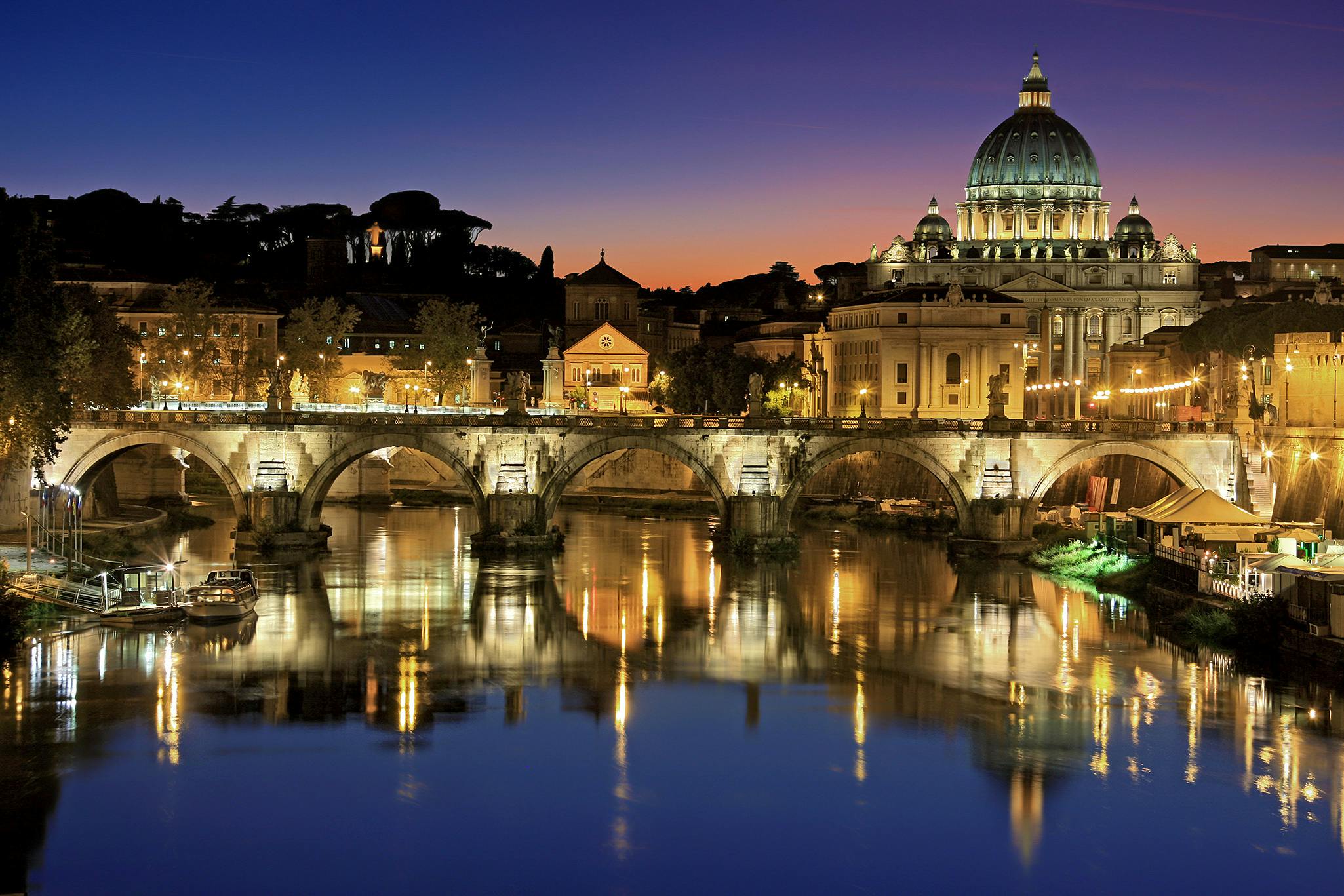
Italy has a unique charm that stays with you long after you leave. With so many iconic sites and picture-perfect towns to see, how do you squeeze everything in while still making time to relax and soak in the atmosphere?
Read on for ideas on how you can plan your trip, and choose experiences for the perfect vacation in Italy.
All roads lead to Rome
Whether you’re planning a European cruise or arriving by plane, Rome is the ideal starting point.
Rome can be chaotic, but it’s also charismatic and absolutely unforgettable. One minute you’re sipping an Aperol spritz in the piazza, and the next you’re walking through ancient ruins.
What to see
There are a few sites in Rome that you definitely shouldn’t miss, with the Colosseum and the Roman Forum being at the top of the list, especially for first time visitors. When it comes to landmarks, Rome delivers in a big way, and they are perfect for immersing yourself in the past.
Visiting the Colosseum, you literally get to walk the same paths that gladiators once did, and wandering the crumbling temples and arches of the Roman Forum puts you in the centre of daily life in ancient Rome.
You should also consider crossing the Tiber River and paying a visit to the Vatican City. The museums are fascinating, and you’ll get the chance to see the jaw-dropping Sistine Chapel as well as St. Peter’s Basilica. And if you’re feeling adventurous, why not climb to the dome for some of the best views of the city?
Just keep in mind, these spots are popular for a reason, so consider booking tickets in advance, and aim for early morning or late afternoon visits. These slots are also the best time to take photos.
The smaller moments
Once the daytime crowds have thinned, head to the Trevi Fountain and toss a coin in. It’s a completely different experience at night when there are fewer people and you can hear the water echoing through streets. Legend also says that tossing a coin into the fountain ensures a return to Rome, so why not?
From there, you can head to Trastevere, a charming neighbourhood filled with ivy-covered buildings. While here, you can order a strong espresso, delicious gelato, or enjoy a slow dinner al fresco. It’s these types of unhurried moments where you truly get to appreciate Rome’s quiet charm.
Practical tips
- Get a Rome city pass. A city pass gives you access to multiple attractions and unlimited transport, saving you a lot of time and money.
- Dress for comfort. The cobblestone streets of Rome are great, but they can be brutal on your feet, so bring some comfortable shoes.
- Stay central. When in Rome, walking is a great way to get around, so it helps to book your accommodations near the historic centre.
Art, architecture, and aperitivo in Florence
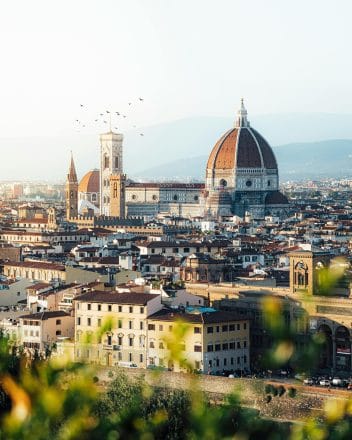
Florence is a popular destination for a reason, and it lives up to its hype. It’s the birthplace of the Renaissance, and walking around is like stepping into a living museum. However, there’s much more to Florence. It’s also the perfect spot for anyone looking to slow down and take joy in the details.
What to see
Exploring the skyline is the perfect way to start your time in Florence. If you climb to the top of the Duomo, you’ll enjoy views of the terracotta rooftops and the Arno River. The 436-step ascent is a bit of a workout, but the photos will be well worth it.
The Uffizi Gallery is one of the most important museums in the world and a must-visit. It’s home to Botticelli’s Birth of Venus and several works by Leonardo da Vinci. Give yourself a few hours here to really take it in.
And, on the subject of art, don’t miss Michelangelo’s David at the Galleria dell’Accademia. This renowned sculpture isn’t just a work of art, but a symbol of brilliance and beauty, something you have to see in person.
If you’re planning to travel during peak season, booking your museum tickets in advance is a big help because you can secure your preferred time slots and skip those long lines.
The smaller moments
Florence offers even more moments to slow down and appreciate where you are, and the incredible sunsets are an added bonus. Simply meandering around the streets is the perfect way to spend an hour or two.
However, what you want to do is grab a bottle of wine and some snacks, and head to the Piazzale Michelangelo. The city completely lights up as the sun sets, and even the locals love it.
And make sure that you cross the Arno River to the Oltrarno district, where local artisans sell leather goods, paper, and jewellery. It’s the perfect spot to pick up a souvenir, and support local talent.
Practical tips
- Stay in the city centre. Florence is wonderfully walkable, and most sites are quite close to each other. The less time you spend in transit, the more you will get to see.
- Brush up on some basic Italian. A simple “Buongiorno” or “Grazie” can go a long way. Locals appreciate the effort, and you’ll feel more connected to the culture.
- Plan for aperitivo. This beloved Italian ritual takes place between 5 pm and 7 pm and includes heading to a café or wine bar for a spritz and small bites as the city winds down.
Slowing down under the Tuscan sun
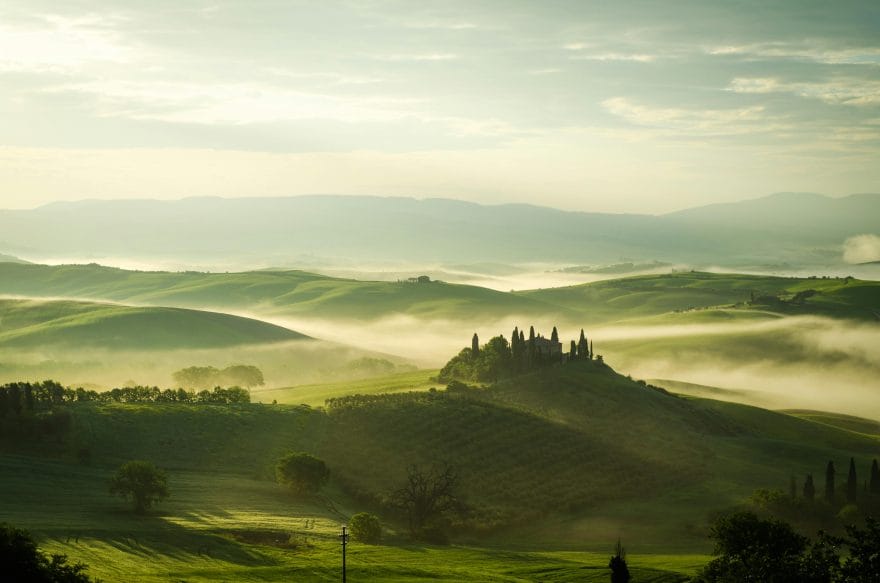
Tuscany is the best place to end your Italian journey. Not only is it much slower, but it will be one of your most affordable European stays. Don’t mistake slower for boring, though, as Tuscany still has a lot to offer.
Think rolling hills, Cyprus-lined roads, and plenty of great wine. Basically, Tuscany is the Italy you’ve seen in the movies.
What to see
All of the small towns in Tuscany are pure magic and are worth a visit, but if you have to pick, Siena and San Gimignano are two of the best.
Siena is known for its amazing Gothic architecture and the Piazza del Campo is where you will also find the striped cathedral.
San Gimignano, on the other hand, is a sort of medieval Manhattan. There are a number of incredible ancient towers that you climb, and some will even give you glimpses into the Tuscan countryside.
And if it’s wine and landscapes you’re after, you can’t go wrong with Montepulciano. It’s set high on a ridge and is a must if you love Vino Nobile di Montepulciano.
Tuscany is where you can set time aside to explore the vineyards and enjoy the local produce. Don’t go home without some olives!
The smaller moments
If you want a truly immersive experience, book a stay in a country villa or agriturismo, which is a working farm. Birds, barefoot walks, and home-cooked meals are the order of the day.
You can also bring a little bit of Tuscany home with you by signing up for a cooking class, which usually take place in family kitchens or rustic farmhouses. There’s no better place to learn how to make fresh pasta, and you’ll certainly want to use these recipes for years to come.
There’s also the option of joining a truffle hunt, which generally involves following a trained dog through the woods in search of these fragrant delicacies.
Practical Tips
- Rent a car. Tuscany’s real charm lies in its back roads and quiet villages, the places trains can’t reach. Driving lets you explore at your own pace.
- Go slow. It may be tempting to see everything, but Tuscany is for lingering a little longer. So, choose a few places to explore more deeply for the most rewarding experience.
- Time your trip. Spring and autumn offer milder weather, fewer tourists, and the most photogenic landscapes.
Plan your route through Italy
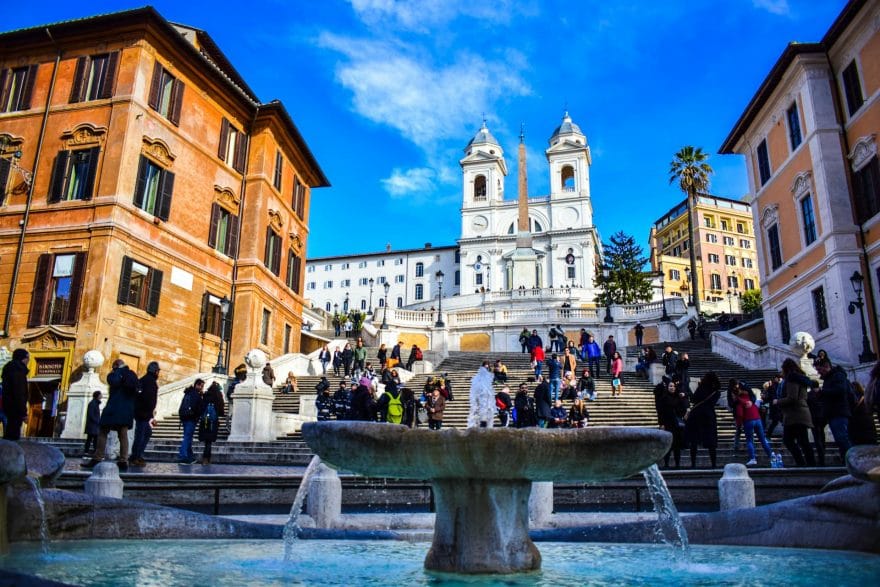
Now that you know what makes Rome, Florence, and Tuscany so special, you need to plan your actual trip.
Starting in Rome, the Eternal City, it’s easy to arrive by air, train, or even ship. Many European cruises start and end in Rome.
After soaking in the history and piazzas, you can head north to Florence via Italy’s high-speed Frecciarossa or Italo trains. This scenic ride will take you around 1.5 hours, so you’ll be there in no time.
From Florence, Tuscany is just a short hop away. You can easily catch a train to Siena or Arezzo, where you can rent a car.
If you prefer a slower start, you can always flip the trip and start in Tuscany instead, recharging a bit before heading to the busier parts of the country.
Plus, if you’re planning to extend your vacation and head to other European destinations, the Civitavecchia port in Rome can take you to Greece, Spain, or the French Riviera.
When to visit
Italy is beautiful year-round, but the timing can shape the type of experience you’ll have.
Spring (April – June) is often considered the sweet spot. The weather is mild, the countryside is lush, and the cities are lively without being overcrowded. It’s the ideal time for wandering around and enjoying the region’s wines.
Summer (July – August) will give you longer days, but be prepared for it to be hot, really hot, especially in the south. That’s why it’s best to do all of your sightseeing early in the morning or later in the afternoon.
Autumn (September – October) is another favourite. The vineyards are in harvest mode, the light is more golden, and most of the crowds have thinned. Autumn is perfect for Tuscany in particular, especially if you want to enjoy cooler walks and wine tastings.
Winter (November – February) offers quieter streets and affordability throughout Italy. Rural spots slow down during this time, but Rome and Florence are still festive and full of life. Just pack for colder weather and be prepared for shorter daylight hours.
How Long Should You Stay?
For a well-paced trip that lets you experience both the highlights and the heart of each stop, 10 to 14 days is best. That will give you three to four days exploring Rome’s ancient sites and vibrant neighbourhoods before heading to Florence for two to three days, where you can enjoy the art and architecture.
Tuscany is where you may want to spend the majority of your time, so at least four to six days will give you the time to soak up those magical Italian traditions and the beautiful scenery.
Of course you can always spend more of less time in any of the destinations, but up to two weeks will give you a full, relaxing Italian vacation.
Italy: A beautiful country full of flavours and culture
A trip to Italy isn’t just about ticking off famous landmarks; it’s an entire experience. It’s the layers of history, flavours along the way, and people that make Italy such a special destination.
You’re bound to take plenty of photos, but it’s the random moments and slices of local magic that will make this an unforgettable trip.
Photos by Julius Silver, Dico Baskoro, Aliona & Pasha, and Natasa Dav.
