
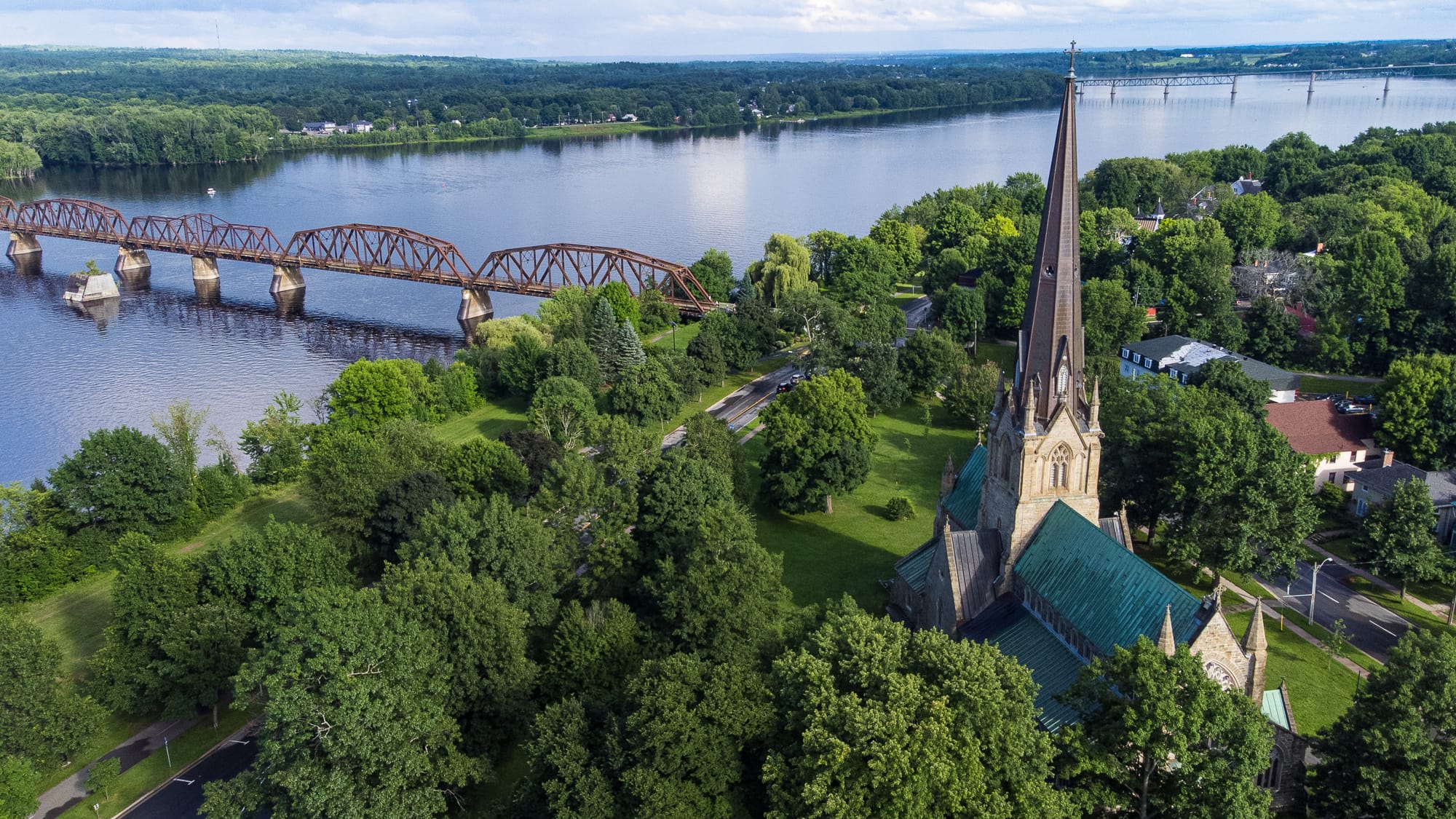
Sun, sand, and delicious seafood are just what you need this summer, and if all that sounds right, then an east coast road trip is the perfect vacation.
The Maritimes really are Canada’s ocean playground, and there’s a lot to enjoy. From the great outdoors, whale watching, and great beaches, to festivals, fresh seafood, and music, the east coast has so much to offer.
And the best way to explore is on a road trip. Whether you visit one province, or a few, the Maritimes are what summer is all about.
Read on for my guide on how you can plan your road trip car rental, why a car rental is the best idea, and how to make the most of your vacation.
Where to go in the Maritimes
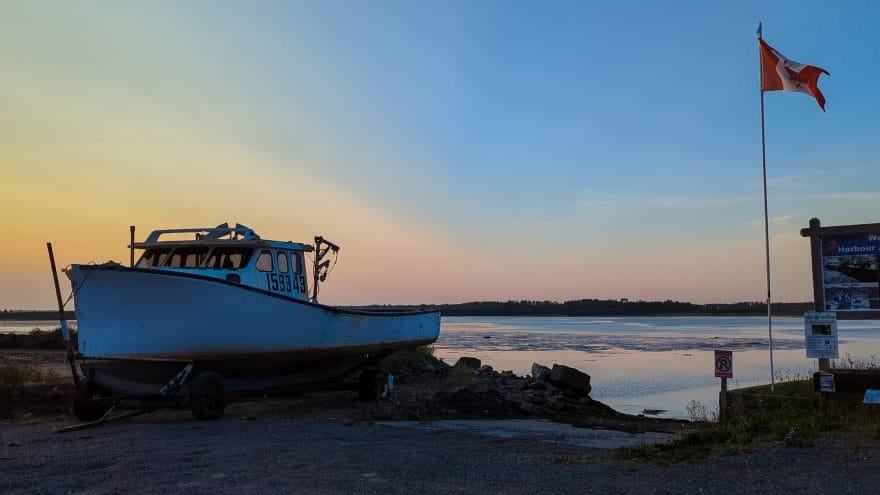
New Brunswick, Prince Edward Island, and Nova Scotia are all easy and ideal destinations for your summer vacation, and you shouldn’t sleep on the Quebec maritime region, north of New Brunswick, or Newfoundland.
Each province offers something special, and if you’re really ambitious, you can definitely visit more than one province on your road trip.
A few of my favourite east coast drives include Quebec’s Gaspé Peninsula, New Brunswick’s Fundy Coastal Drive between Moncton and St. Andrew’s By-The-Sea, Prince Edward Island’s North Cape Coastal Drive, Nova Scotia’s Cabot Trail, and Newfoundland’s Fogo Island route.
When planning your route, the key is to decide whether you’re going to fly to a major city centre, like Saint John, Moncton, Fredericton, Halifax, Charlottetown, or St. John’s, Newfoundland, and then rent a car, or drive to the Maritimes.
Even when I’ve driven to the east coast from Toronto, I’ve often rented a car for my trips, or flown in and then rented a car. Either way, this will give you the flexibility to see the best of the provinces, and explore more.
A few examples of some of the spectacular drives I’d recommend:
- Moncton, New Brunswick to Cape Breton Highlands National Park is 6 hours or you can drive from Halifax to Cape Breton in 5 hours.
- Charlottetown, PEI to almost anywhere on the island is less than 2 hours, or you can drive from PEI to the Bay of Fundy in less than 3 hours.
- Halifax, Nova Scotia to Yarmouth, and then on to Annapolis Royal, and Fundy National Park, New Brunswick is around 9 hours of driving.
- And driving Quebec’s Gaspé Peninsula can take anywhere from 5 to 10 hours, depending on how far you want to explore, and whether you’re driving from Quebec City, or Fredericton.
Why you should book a car rental for a Maritime road trip
A car rental makes everything about your vacation as easy as possible. Moncton, Halifax, and Charlottetown are three of the best airports to fly into, depending on your route, and then you can rent a vehicle for a few days or a week.
Giving yourself lots of time is the key, so I recommend keeping your driving times to less than 2 hours per day, so you have time to stretch your legs, and actually see each destination on your trip. For major stops, drive a little longer and then stay two nights, so you have one full day at the destination.
And renting means that you’ll have a vehicle that’s in good condition, will be clean, and likely will also be newer than your own car. Long road trips can definitely have an impact on older vehicles, and with insurance included on many credit cards, or paying for extra insurance, you’ll have peace of mind on your trip.
Finding the best car rental
The Maritime provinces have a number of car rental companies that you can choose from, and my favourites include National Car, as well as Hertz.
Both companies are large and dependable, which also means that you can expect an easy, understandable process. They also offer extras and add-ons that can make your trip easier, and they’re trust-worthy. They also operate out of all the major airports.
Another option to consider is a service like EconomyBookings, that let’s you compare a number of options in both an easy-to-use platform, with competitive pricing.
Using the service you can compare car options with rental companies, check what’s included easily, and review everything in one spot. They work with most car rental companies, and even offer sale prices, depending on when and where you’re booking.
Insurance and other extras
Car rental extras can offer you features that you need for your road trip, without the need to bring things with you.
The main extras to consider is GPS, when it’s available, for mapping out your drive; car seats for the little ones, and of course, insurance.
A number of credit cards do include insurance these days, but it’s important to read the fine print and make sure it covers everything that you need. There’s nothing worse than getting a charge for damage to your car rental, or discovering that someone has stolen something from your car and you’re not covered.
While it can add a bit of money to the final bill, the peace of mind offered by car rental insurance is well worth considering.
How to have the best pickup experience
When it’s time to pick up your car rental, being prepared is as important as making it to your destination.
Some of the most important things to remember when picking up your car are:
- Arrive on time for your pickup, and return the car on time, too
- Bring all the required documents including your license and credit card
- Inspect the car before driving away to spot any issues
- Take photos and videos of the car during inspection
- Confirm both the fuel level, and the mileage
I also recommend checking the car rental company’s mileage policy before you rent the vehicle. If you’re driving 1,000 km and only 500 km are included, expect to pay a little extra at the end.
Local driving tips
Canada has a number of basic driving rules to keep in mind for anyone arriving from outside the country, but it’s nearly identical to the United States, and many other countries.
In Canada you drive on the right side of the road, and the steering wheel is on the left side of the car. Speed limits are posted in kilometres per hour, and are generally between 40 and 50 km/h in towns and cities, 70 to 90 km/h on rural roads and small highways, and up to 100 to 110 km/h on major roads like sections of the Trans-Canada Highway.
At most intersections, unless otherwise noted, cars in the right lane are allowed to turn right during a red light.
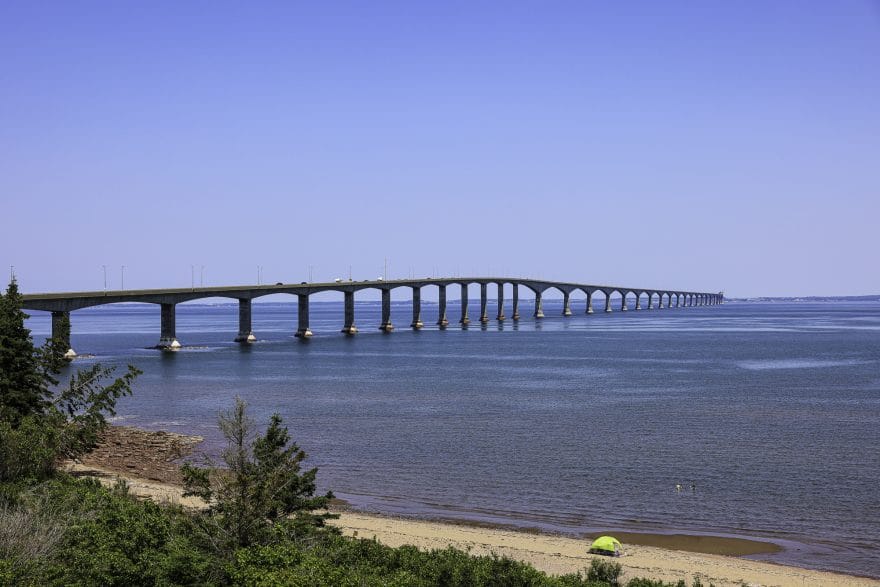
And finally, when driving across the Confederation Bridge, leaving Prince Edward Island, keep in mind that there is a toll. Crossing from New Brunswick into PEI, however, is free.
Find hotel deals
Use the map below to search for hotels throughout the Maritimes.

2 comments
Halifax to Yarmouth, then to Annapolis Royal… then to Fundy National Park is more like 10.5 hours of driving… but why would you not stop at Bay of Fundy highlights in Nova Scotia such as Halls Harbour for the dramatic tides in this tiny fishing village with its popular lobster restaurant, Blomidon Provincial Park and the Blomidon Look-off, Wolfville area for wine and farm markets, and to discover Burntcoat Head Park which holds the Guinness Book of World Records for the highest tidal range in the world. Also – if you time it right, you can walk around the island at Burntcoat too! Catch the twice daily tidal bore at the Fundy look-off park in Truro before driving along the upper Bay of Fundy coast through the Cliffs of Fundy UNESCO Global Geopark where you can learn about the significance of this area and see fossil cliffs and incredible views all the way back to Amherst, NS.
Well said! There’s lots to see across the Maritimes, and I just gave a few overall suggestions to get people planning ideas. I definitely recommend a week at minimum to explore even one area, and two if you really want to dive in. I dream of a trip across all of the Maritimes for a whole summer, personally. But, some great suggestions. I’ve got quite a few stories on exploring Nova Scotia, including Cumberland county, Amherst, and beyond.