

Aging Canadians are travelling more than anyone could have expected a decade or two ago. A trip to the East Coast, a long weekend in Quebec City, or a visit to grandchildren across the country no longer ends at sixty-five. The category of safety tech built for that life stage has grown up to match.
A common starting point is the Life Assure product family, a Canadian provider of medical alert wearables with GPS, fall detection, and 24/7 monitoring. The guide below covers how aging Canadians are using these tools on the road and what families should check before any trip.
Why are aging Canadians travelling longer than before?
Three forces have lined up at once. Older Canadians are staying healthier and more mobile in their seventies and eighties. Cellular coverage now reaches most of the country, including stretches of the East Coast that used to sit in dead zones. Wearable safety tech has shrunk to the point that it travels easily inside a daypack or on the wrist.
The National Institute on Aging’s healthy aging guidance now treats personal safety tech as one ordinary line in the broader plan. The category sits alongside travel insurance, medication packing, and a printed itinerary.
The wider topic is covered well at MedlinePlus’s older adult health overview, which catalogues the everyday issues that shape modern aging. The market has followed the demographic curve.
What six features should travelling families look for in a wearable?
Six features have become standard on the better wellness-style safety wearables.
- Cellular GPS. A built-in cell radio and GPS work without a phone, anywhere Canadian coverage reaches.
- Automatic fall detection. The device senses a sharp drop and triggers an alert without a button press.
- Two-way voice. The wearer talks directly to the monitoring centre through the device.
- Long battery life. Several days on a charge means a missed night during travel is not a crisis.
- Water resistance. A shower-proof rating handles rain, lake swims, and bathroom mishaps on the road.
- Discreet styling. A small pendant or wristband stays on through a flight, a dinner, and a museum visit.
The full kit usually includes the wearable, a charger, and a home base unit for the in-residence portion of the trip.
How does safety tech fit into Canadian travel?
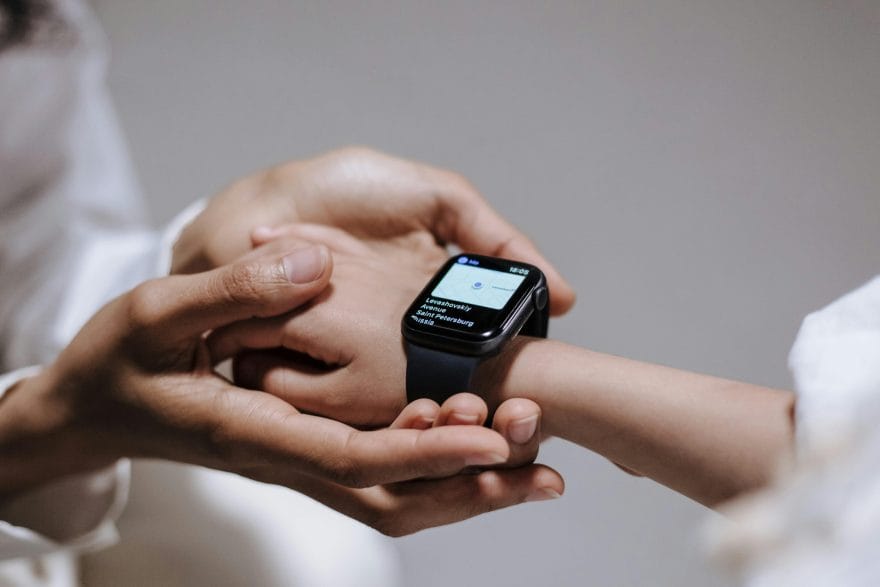
Safety tech fits because the trip stretches the wearer’s normal routine. A morning walk in an unfamiliar town has a different fall risk than the same walk at home. A wearable removes the most common gap. The friction is small because the device pairs with an existing daily wearable.
Canadian travel routes also keep stretching further. East Coast road trips shows the kind of multi-day driving routes aging travellers now plan. A wearable that calls for help from a remote pull-off matters on those routes.
The luxury end of the market shows the same trend. Looking at luxury destinations Canadians are booking for the season highlights longer trips that take seniors away from home for weeks at a stretch. A wearable that travels with them is the only one that helps.
What should families check before a trip with aging travellers?
A short pre-trip plan covers the top questions worth asking before travelling across Canada.
- Confirm Canadian cellular coverage along the route, particularly outside major cities.
- Verify the monitoring centre’s response time during the wearer’s expected time zones.
- Match the form factor to the trip. A pendant suits travel better than a hand-held device.
- Pack the charger and a spare power source for long days out
- Plan the daily charging spot in each hotel or rental.
- Confirm the water-resistance rating for the trip’s weather and activities.
- Confirm fall-detection sensitivity is tuned for the new environment
- Save emergency contacts and the monitoring number in a printed travel folder.
Why safety tech has earned a place on Canadian trips
Safety tech has earned its place because elderly parents actually wear the technology. The older alert devices stayed in a drawer at home because they were large and looked like medical equipment. A modern wearable that looks like a regular accessory travels easily on the wrist, on a lanyard, or clipped to a belt loop, and stays on through the whole trip.
The safety case is straightforward. A fall or sudden disorientation on the road becomes a more serious problem the further the traveller gets from familiar help. A wearable that calls for help in the first minute closes that distance. The design shift is what keeps the wearable on the traveller in the first place.
Frequently Asked Questions
Do Cellular GPS Wearables Work Across Canada?
Yes, on most Canadian cellular networks. Coverage is strong across the Maritimes, southern Quebec and Ontario, the Prairies, and the populated stretches of BC. Coverage thins in the territories and along remote highways; families should check the carrier map before a trip there.
How Does Battery Life Hold Up on a Long Day Out?
Most modern wearables last a full day of mixed use on a single charge. A heavy GPS day shortens that to roughly eight to ten hours. A small charger packed for the daypack covers the gap on long sightseeing days.
Can the Wearable Be Worn Through Airport Security?
Yes, on most models. Small wearables typically pass through standard security screening without removal. Travellers may be asked to show the device on request; a printed product sheet or the provider’s app screenshot covers that quickly.
Is the Wearable Useful Outside Canada Too?
Some models work internationally, depending on the cellular agreement. Families planning a US or transatlantic trip should confirm the device’s roaming behaviour with the provider before departure. The monitoring centre’s reach is the real question, not just the cellular signal.
