
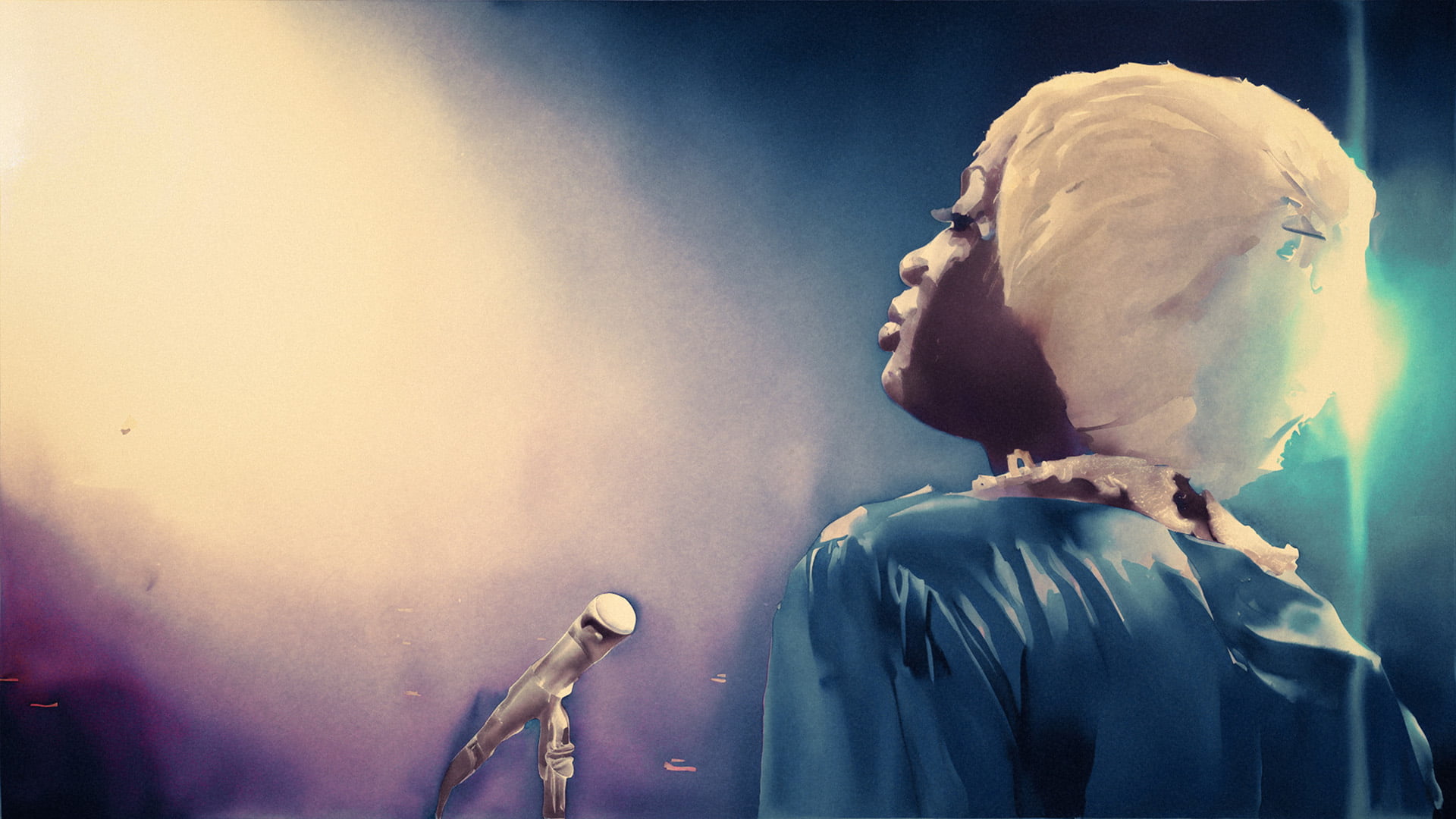
Michael Mabbott and Lucah Rosenberg-Lee’s documentary Any Other Way: The Jackie Shane Story gives voice and life to a transgender musical icon who disappeared from the public eye almost as soon as she had taken over the spotlight. A Nashville, Tennessee native who made a huge name for herself in the Toronto R&B scene throughout the 1960s, Jackie Shane captivated audiences like few performers ever could. God help the unlucky superstar that ever had Jackie open for them because – as Mabbott and Lee’s film elegantly illustrates – Shane proved to be an impossible act to follow. And even after her death, she still is.
Any Other Way: The Jackie Shane Story opens with an archival recording from one of her most famous live performances. Always one to stop the show to drop a little knowledge and personal reflection on their audience, Jackie lays out everything she wants people to know about her career, identity, and life, unapologetically and with cutting wit. After slowly making a name for herself in Tennessee (even coming under the wing of Little Richard), Shane recognized that being queer, trans, and black in the U.S. South during the late 1950s was no place for her to be. She eventually made her way to Montreal, and then to Toronto where her career really started to take off. Shane started racking up hits – often without the support of mainstream radio stations – until she suddenly dropped off the radar in 1971. She would eventually be discovered living life as a recluse in Tennessee, but for decades even some of her once closest friends feared she might be dead or otherwise hiding out.
Any Other Way: The Jackie Shane Story (which gets its title from her biggest hit) creatively spins the biographical documentary format into a multilayered work of cinema. There are plenty of requisite sit down interviews with those who worked with and witnessed the artistic genius and powerhouse voice of Shane, but Mabbott and Lee take things two steps beyond. The filmmakers utilize colourful, flickering, eye popping animation (courtesy of Luca Tarantini and Jared Raab) to re-create some of Shane’s most iconic performances and monologues, effectively bringing her enormous stage presence to vibrant life.
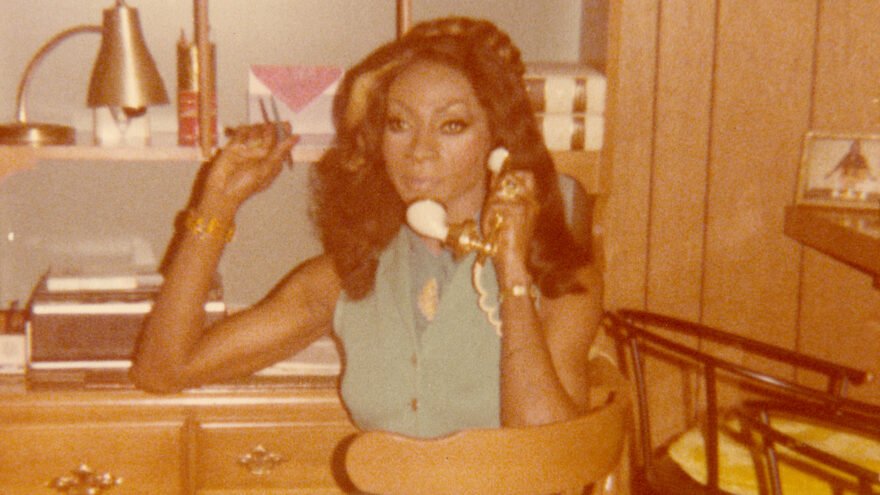
Even more intriguing than the animation is the inclusion of Vonnie Crawford-Moore and Andrenee Majors-Douglas, nieces of Jackie Shane who never met or heard of the singer in their lives. Moore and Douglas became the unlikely and surprised inheritors of most of Shane’s estate, and both take the job of archiving and researching their late aunt’s life and career very seriously. While Shane eventually started granting phone interviews (but still refusing to be photographed or to leave her home) during the final years of her life amid renewed interest, Moore and Douglas bring even more to the table by combing through the minute details of Jackie’s life, particularly a hand written draft of her never published autobiography. Their inclusion by Mabbott and Lee proves indispensable, both in terms of maintaining factual detail, but also on a dramatic level. It’s inspiring to watch two people caring so much for a relative the family previously kept secret from them, and their desire to bring the works of Jackie Shane to a new generation of listeners is nothing short of infectious.
While Lee, Mabbott, and all those they talk to are willing to talk about the darker and harsher moments in the singer’s life, Any Other Way: The Jackie Shane Story is something a lot more celebratory and hopeful. The documentary finds a way to highlight the various ways that Shane was an outright icon, both in terms of being outwardly trans and as a damned good performer with boatloads of charisma, and the filmmakers do so without sugar coating Jackie’s struggles. It’s a major power move to turn down big appearances on stage and television because the producers and hosts want Jackie to alter her appearance for “mainstream” audiences, but it’s also disheartening to see that Shane had to suppress her identity by using he/him pronouns in self-penned press releases and public statements. That simultaneous existence of success and struggle, combined with the fascinating particulars of Shane’s life make her a perfect documentary subject.
Jackie Shane produced music that captured the 60s sound to a tee, but she was also ahead of her time and undervalued. Her career reassessment might be a result of more inclusive attitudes, but the songs themselves never really went away. Jackie Shane helped to lay the bedrock of modern rhythm and blues, but rarely if ever got the credit she deserved through a combination of race, sexual identity, and (honestly) working primarily in Canada. Any Other Way: The Jackie Shane Story doesn’t treat its subject as just another pop culture casualty, but as a sprawling history lesson that crosses multiple subjects and topics with equal amounts of insight and thoughtfulness.
Any Other Way: The Jackie Shane Story opens at Fox Theatre in Toronto, Cinema du Parc in Montreal (in English with French subtitles), and The Vic in Victoria on Friday, August 16, 2024. It opens at TIFF Lightbox in Toronto on August 23, ByTowne Cinema in Ottawa on August 25, Dave Barber Cinematheque in Winnipeg on September 4, The Screening Room in Kingston on September 6, and Cineplex Park Lane in Halifax on September 20.
