
In a cinematic year already overstuffed with demonic possessions and satanic subtext, there’s still surprisingly some room left for the likes of Lee Daniels’ first foray into outright horror, The Deliverance. A solid addition to the canons of black horror, haunted house movies, religious thrillers, and frightening parables about the struggles of motherhood, The Deliverance is the type of chiller that works on several different levels at once, even if some of the pieces have a bit of familiarity about them. It’s ominous, creepy, and delivers the goods without ever once speaking down to the audience.
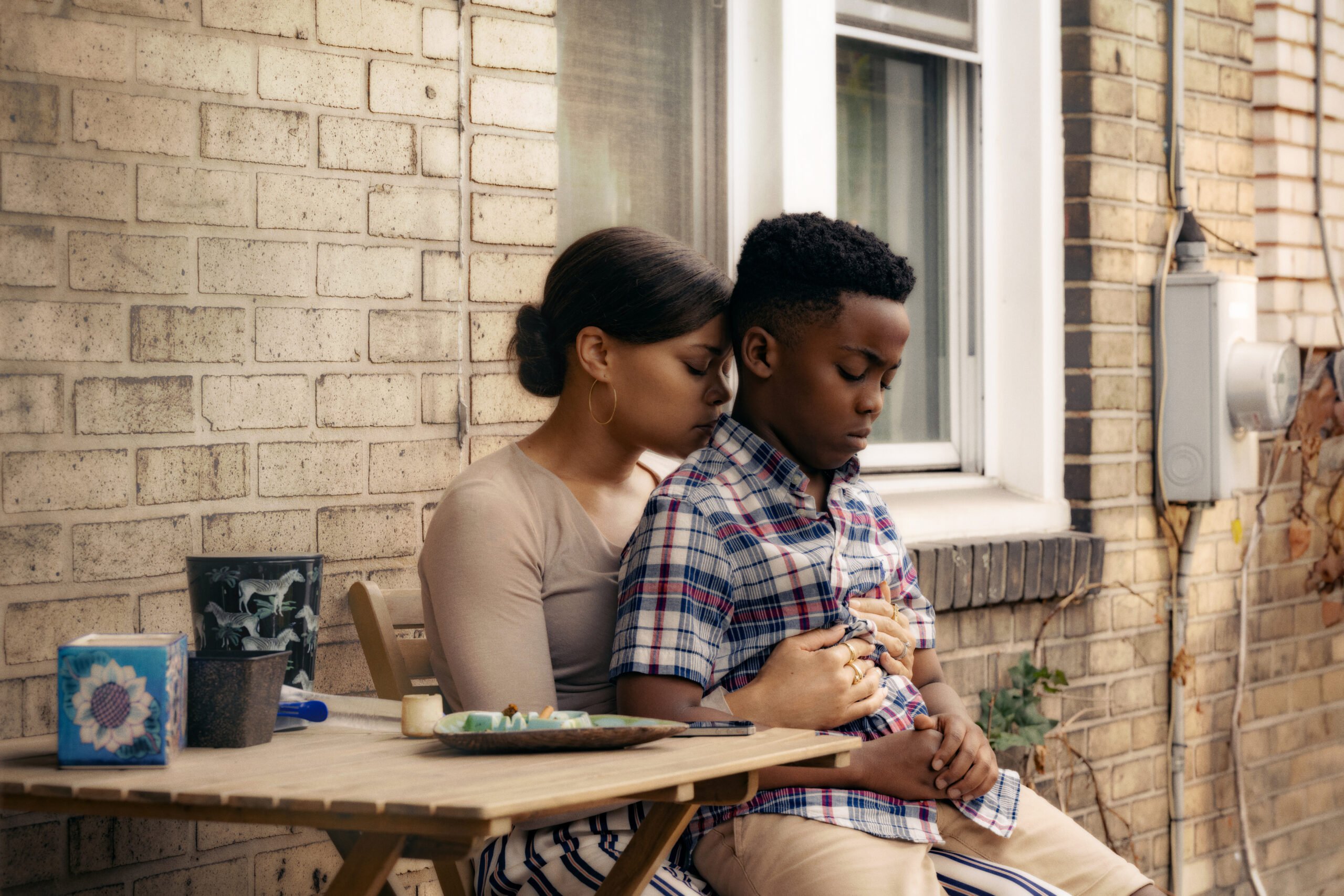
Based very, very loosely on a true story that has been transplanted from its original Indiana setting to Pittsburgh, Pennsylvania, The Deliverance tells the story of a struggling family that has moved into their third house in the span of a year. Ebony (Andra Day), a biracial, alcoholic who works as hard as she can to provide for her cancer stricken mother (Glenn Close) and three kids (Anthony B. Jenkins, Caleb McLaughlin, Demi Singleton), is under constant scrutiny by a zealous social services officer (Mo’Nique). Already spread thin emotionally, financially, and psychologically, Ebony’s situation grows worse when her children start acting strangely and violently. It turns out that the house she moved into is home to malevolent demons who will prey on the family’s every insecurity and fear.
Daniels (The Paperboy, Precious, The United States vs. Billie Holiday) has always dabbled in the dark side of humanity and the personal imperfections of relatable, everyday people put under extreme pressures, but this is the first time one of his films has come with an outright paranormal undercurrent to compound these issues. Daniels proves that he knows the genre territory well. Creepy kids, spooky noises, ominous music, tricks of light and shadows, and loaded imagery (metaphorically cracked walls and floors, halos of light, smoke rings around burning crosses) all abound. In terms of visuals and suspense, The Deliverance slots nicely amid the likes of The Amityville Horror, The Conjuring, and The Babadook, and Daniels is able to make even the most predictable bits exciting through the power of his filmmaking abilities.
But the difference between escapist scares and exceptional horror always lies in imbuing the material with realistic characters with resonant problems and a sense of social responsibility. Daniels’ has gone on record stating that The Deliverance is a “call to faith” of sorts, and while the religious overtones are certainly there (because as William Friedkin once said about The Exorcist, it takes a believer to compellingly tell such a story), there’s plenty of character depth and subtext beyond the age old battle between good and evil. Amid all the external demons, each of the characters in the script from Elijah Bynum (Hot Summer Nights, the unreleased Magazine Dreams) and David Coggeshall (The Family Plan, Orphan: First Kill) have their own issues, dreams, hopes, and fears.
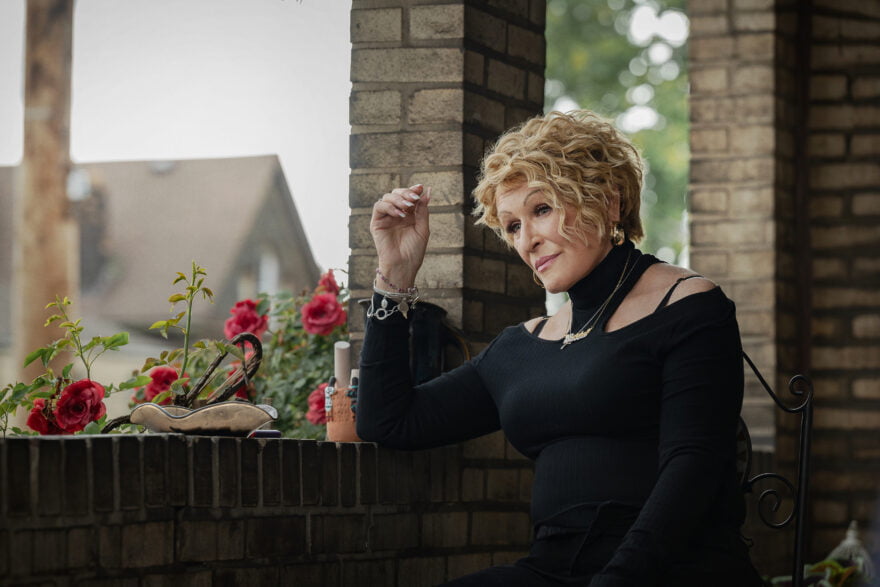
Day’s exceptional, nerve jangling, physically demanding performance as a woman far past the edge of a nervous breakdown is another revelatory feather in her cap, and her chemistry with Close’s tough talking, recently reformed mother is exceptionally well drawn and acted. Neither actress is afraid of making their character seem unlikeable when necessary, but there’s always a wealthy of humanity to tap into with both of them. Each of the actors tasked with playing Day’s children are given plenty to work with, and each excels at making sure their voices are unique, but still in line with creating a believable family unit. Mo’Nique (once again collaborating with Daniels after a famous falling out) is able to make her enforcer role stern and menacing, but there’s also a softer side to the character that explains how this person got to be that way. The most fun performance in the film belongs to Aunjanue Ellis-Taylor, who gets to play the resident expert reverend that these movies tend to have. In a turn that favourably reminds the viewer of underrated character actress CCH Pounder, Taylor has a blast leaning into a character that has to be the most assured expert on hand, while also delivering the most exposition.
Daniels’ handles the horrors on display in ways that feel genuinely tragic, and this depiction of an already marginalized family being put through further hardship comes with a sense of timeliness. Great horror always ties back to modern fears and long standing injustices, and that’s precisely what The Deliverance does. Sure, sometimes it’s a bit overwrought, and it doesn’t quite stick the landing at the very end, but the most shocking moments hit like a ton of bricks and it’s easy to feel for these characters as real people and not thin horror movie fodder. There might be some burnout from audiences who’ve gotten a lot of these types of narratives this year, but if you’re still so inclined, The Deliverance is a great addition to a banner year for possession horror.
The Deliverance is now playing exclusively at TIFF Lightbox in Toronto. It premieres on Netflix on Friday, August 30, 2024.
