
Naoko Yamada’s strikingly vibrant and emotionally rich animated feature The Colors Within is a relaxing, kind natured, and perceptive work of art, music, and compassion. A tale of outsiders banding together and connecting in ways they never thought possible, The Colors Within is the kind of work I imagine a lot of viewers will connect with on a deeply personal level. Wrestling with themes of faith, atypical personalities, depression, and acceptance, Yamada (A Silent Voice) and writer Reiko Yoshida hold the audience gently in their hands with kindness, warmth, and a love for all of humanity’s glorious flaws. It might be a tad precious at times, especially when it comes to some unsubtle dialogue, but The Colors Within soothes and empowers with its gently delivered messages about perseverance and finding one’s place in the world.
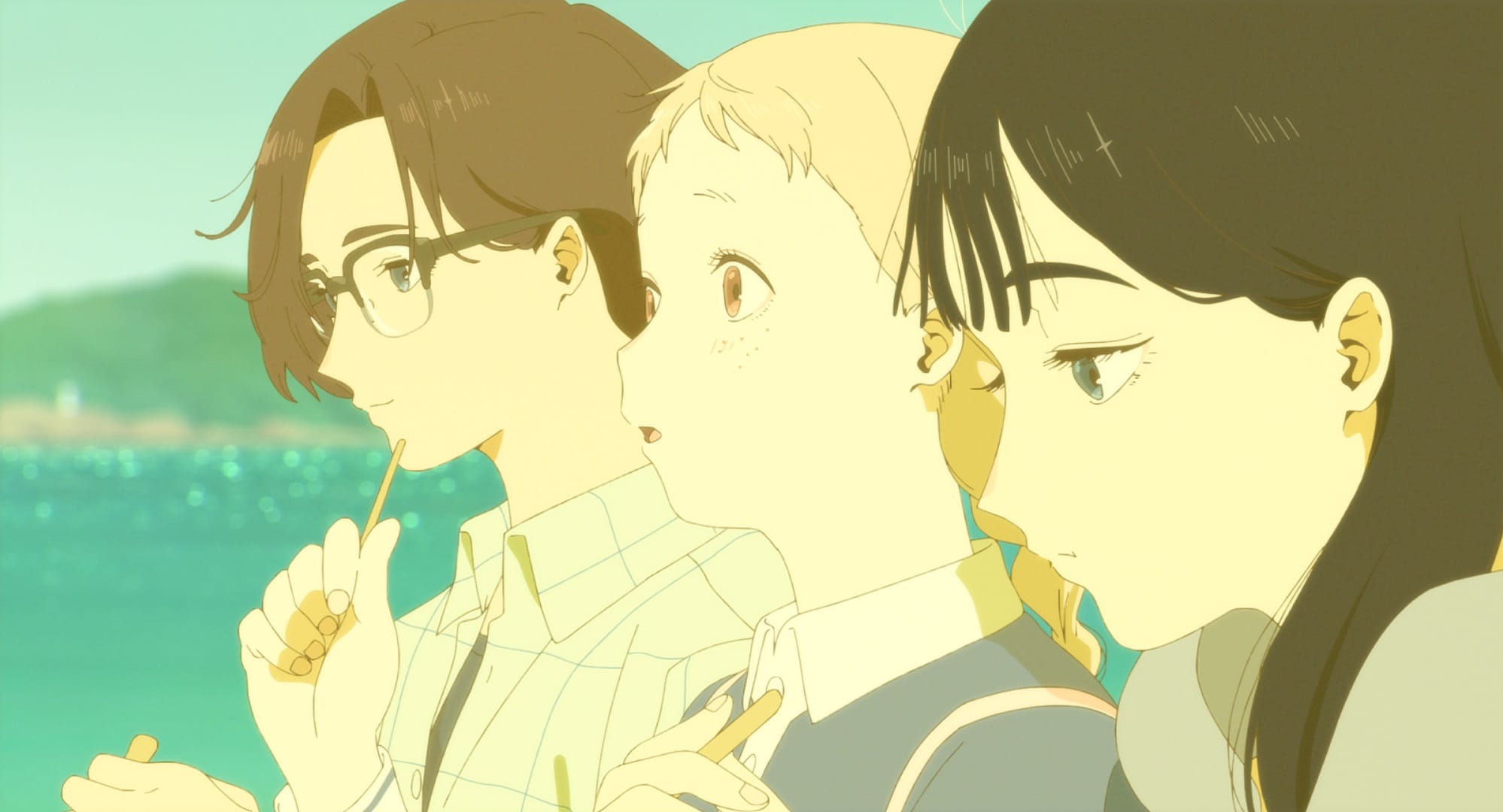
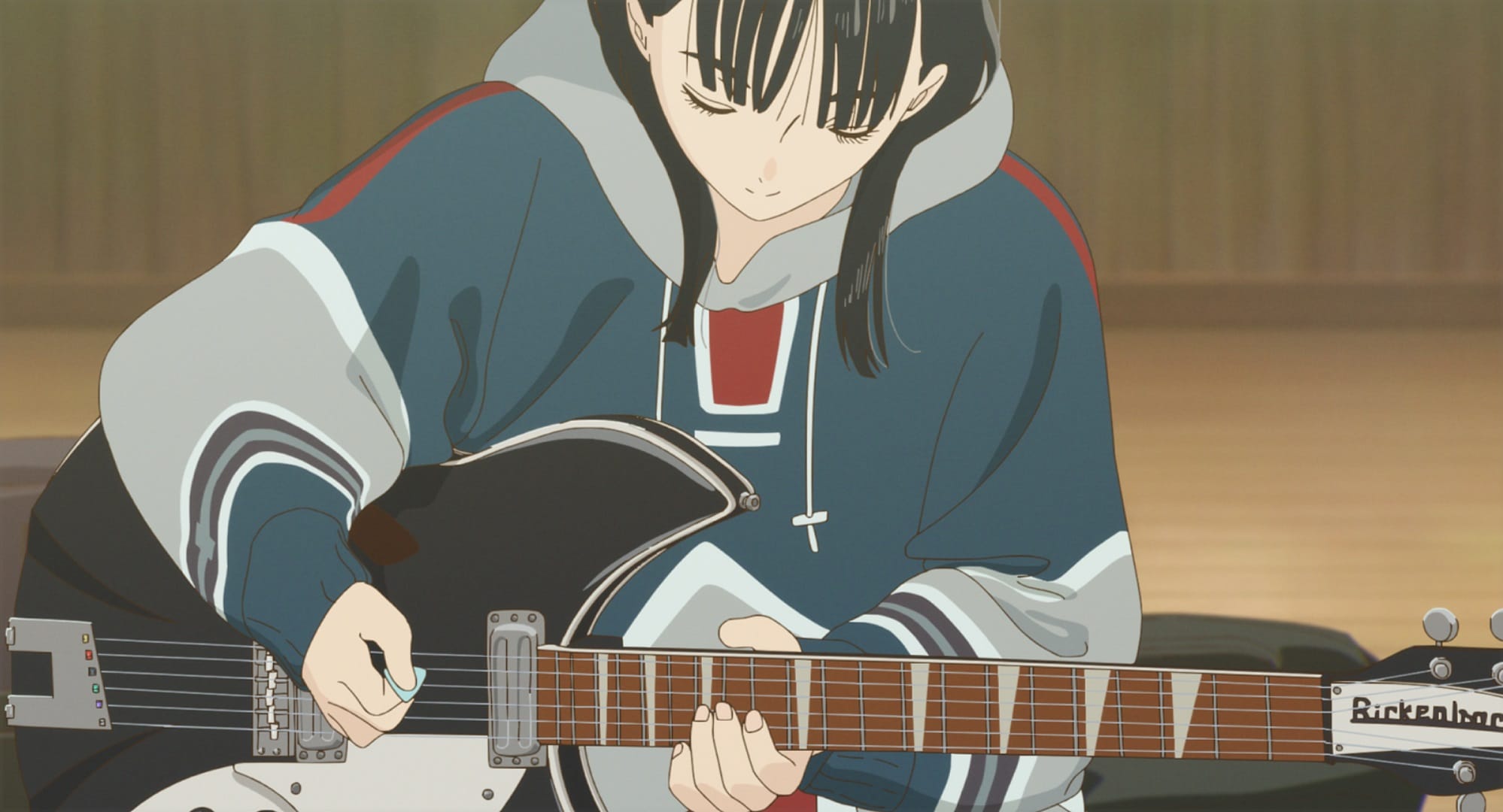
Teenager Totsuko attends a religious boarding school and has a hard time fitting in amongst her roommates and classmates. She’s socially awkward and harbours a secret that she often fears will lead to judgment and teasing. Totsuko can see people’s auras – or their colours – and she’s often amazed and entranced by what she sees. Totsuko is particularly struck by the vibrant blue aura of classmate Kimi. One day, Totsuko is surprised to find out that Kimi has dropped out of school for unsubstantiated, whispered about reasons and has taken a job at a local bookstore. Totsuko tracks her down to reconnect, discovering that Kimi is a budding guitarist. Totsuko tells a fib while flustered and says she can play the piano and keyboards. Their discussion is overheard by Rui, a kindly bookstore patron with a pleasingly calm green aura, who wants to start a band. Quickly, the three strangers begin bonding, hanging out, and playing music together in a decommissioned church, but Totsuko’s constant fibbing to gain acceptance leads to some awkward moments.
The Colors Within speaks lovingly to the myriad ways human beings perceive the world that can be confusing to others who have different methods of coping with their surroundings. Yamada and Yoshida’s story of friendship is built upon people accepting what’s inside a person rather than what’s on the outside. Totsuko is an overeager, easily overwhelmed personality, but her loyalty and kindness to those she loves knows no bounds. Kimi looks unapproachable in an oversized hoodie and well loved sneakers, but she’s really intelligent and capable beyond her own crippling self-doubt. And Rui, who’s about to head off to university soon, is a bit dorky, but endlessly resourceful, wise, and a top notch listener. These are exactly the kinds of people one would want as friends, confidants, and bandmates, which means spending time with them is a soothing balm for our current troubled times.
This theme of acceptance meshes nicely with the themes of religious faith that run throughout The Colors Within. Totsuko’s dishonesty comes from a place of love, not maliciousness, and a worry that her joining a band off campus or conversing with a student who dropped out will lead to harsh judgment. Is it better to be honest with a religiously minded guardian or to be honest with your own needs as a human being? None of the things Totsuko does would be considered “controversial,” but they would be questioned by those whose understanding of the world is limited to what they read in the Bible, and the pressure these young people feel is palpable. While the relationship between the three teens provides The Colors Within with most of its easy going niceties, it’s the relationship that Totsuko has with the kind-hearted Sister Hiyoshiko that adds further depth, and the perspective of an adult who balances faith with memories of what it was like being a kid.
As one might expect from the title and premise, The Colors Within is a visually and sonically striking piece of work. The palate of colours runs the gamut from gentle off whites to striking pastels, delivering a gentle visual interpretation of how Totsuko processes the world and those around her. While the film does broach the topic of synesthesia on a visual level, the music produced by the band is left to stand largely on its own merits, building to a climactic performance at the school’s Valentines’ Day dance that brings the house down. The songs are simplistic, but catchy, and about with pleasing 80s new wave vibes. The visual and musical tones throughout The Colors Within are meant to be enjoyed and savoured.
We live in a time when many are meant to feel devalued by the things that make them special and unique, and sometimes those facets of our personalities open up up to judgment. It’s nice to have a film like The Colors Within that isn’t about struggling to open up to people, but about the courage and love it takes to make lasting friends that are capable of accepting you in totality. Things are really bleak right now, and The Colors Within makes for a nice, idealized getaway.
The Colors Within opens in Canadian theatres in both subtitled and English dubbed presentations on Friday, January 24, 2025.
