
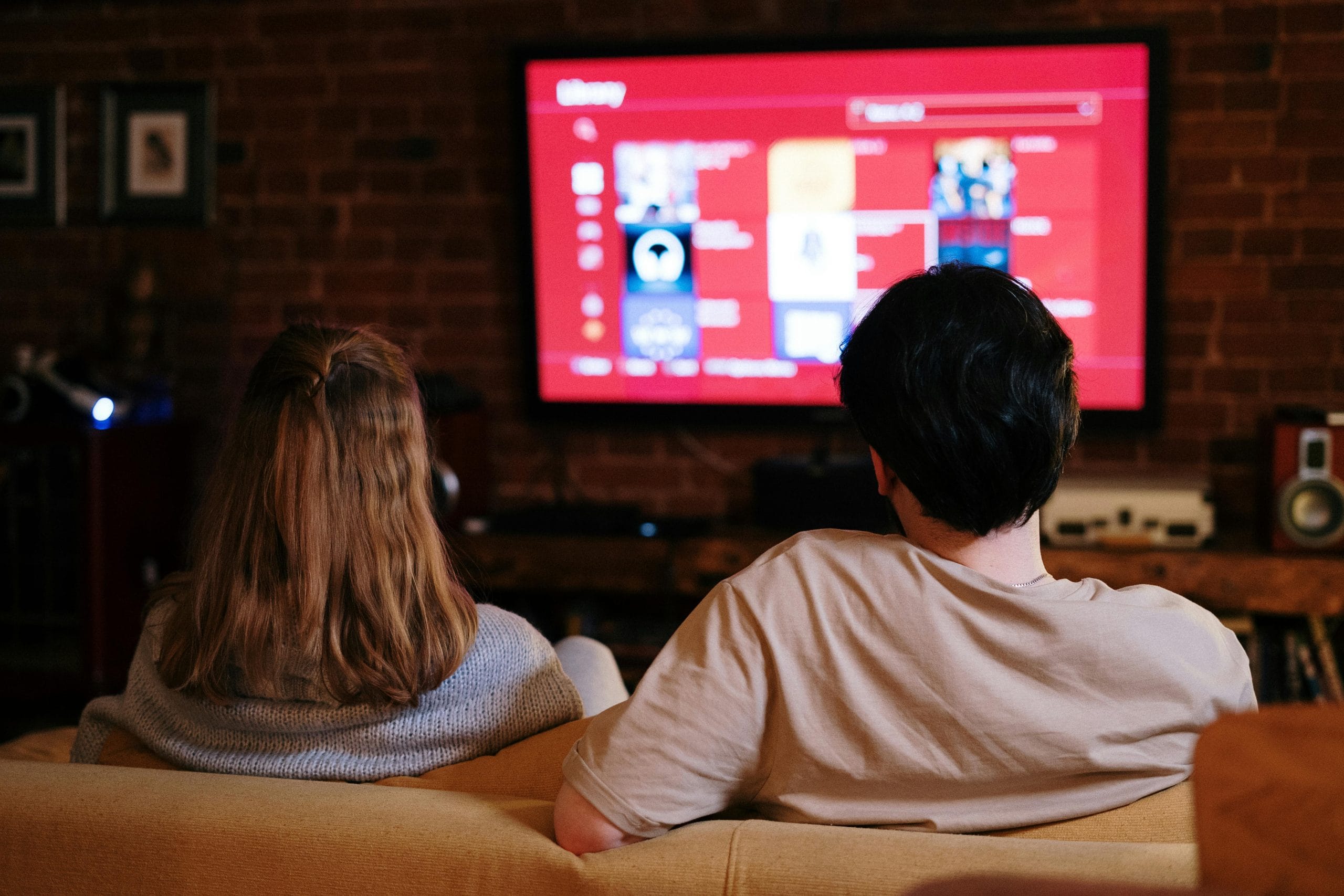
After a long day, people do not want surprise; they want return.
They want the familiar joke, the known apartment, the character whose voice lands with the ease of muscle memory. That is why comfort TV keeps its hold.
The ritual starts with rewatching, but it rarely ends there.
It follows us into living rooms, home offices, condo shelves, and bedside tables. It shows up in framed posters, old DVD box sets nobody plans to play again, mugs with catchphrases, and the neat little rows of figures that turn fandom into something visible.
That idea feels especially timely at a moment when audiences are again talking about the pull of familiar series, and about the way viewers continue gravitating back to the shows that feel reliable, funny, or emotionally safe.
Why familiar shows keep calling us back
There is something deceptively powerful about knowing exactly what comes next.
A favourite sitcom or drama asks very little from us at first. We know the rhythm, the faces… we know, often within seconds, whether we are entering a scene built for laughter, tension, or release. That certainty can be comforting in a culture where so much entertainment is built around shock, escalation, and the demand to keep up.
Comfort TV works because it offers emotional predictability without becoming emotionally empty. The episodes may be familiar, but the experience is not mechanical. A joke lands differently after a hard week. A quiet scene between two characters can feel unexpectedly tender years later. The best comfort shows make room for repetition because they hold more than plot. They hold atmosphere. They hold memory.
The moment fandom moves off-screen
What makes comfort TV so enduring is that it does not behave like disposable content. A series watched once and forgotten rarely changes the shape of a room, but a show that becomes part of someone’s routine often begins to live beyond the episode itself. People quote it in group chats. They send clips to friends. They revisit soundtracks, interviews, and cast reunions. Eventually, they start wanting something they can place in the world around them.
That is where collector culture enters the picture. Not as a sudden act of consumption, but as an extension of attachment. Once a show has become part of the emotional furniture of your life, it is not strange to want a small reminder of it within reach.
And character-driven collectibles make that shift especially easy. A single figure on a shelf can instantly recall a whole world, which helps explain why brands like Funko have become such a recognizable part of modern fandom. They take characters people already live with in their heads and give them a physical place in everyday space.
Why characters matter more than ever
Comfort TV is rarely built on spectacle alone. What keeps people coming back is company. The ensemble cast that starts to feel oddly familiar. The lead whose reactions are so well known they become reassuring. The side character whose one-liners land before they are even finished. In many ways, comfort viewing is a relationship to character long before it is a relationship to story.
That is why certain shows lend themselves so naturally to collecting. A figure, print, or prop replica does not need to recreate an entire series. It only needs to trigger recognition. A haircut, a blazer, a coffee mug, a tiny expression captured in plastic or ink can be enough to bring the larger feeling rushing back.
This is part of what makes collector culture feel different now than it did a generation ago. It is not only about rarity, completion, or value.
Often, it is about emotional shorthand.
A collectible says: this is the story I return to. This is the character who stayed with me. This is the world I wanted to keep close.
A shelf can be a self-portrait
There was a time when fandom lived mostly in private habits. You watched the reruns. You memorized scenes. You maybe kept a poster on a bedroom wall. Now, tastes are curated in public and semi-public ways all the time. Bookshelves appear on video calls. Desk setups become social posts. Apartment corners end up in Instagram stories and TikToks. The things people display have become part of how they introduce themselves.
That makes modern collecting feel less like clutter and more like biography. A shelf lined with favourite characters does not just say what someone bought. It says what has comforted them, amused them, and shaped their sense of self. In a media culture where streaming libraries are vast but intangible, physical objects carry unusual weight. They make devotion visible.
There is also something quietly grounding about that. A streaming platform can remove a title. An algorithm can stop surfacing a favourite. A franchise can disappear between release cycles. But a beloved object on a shelf remains where you left it.
