
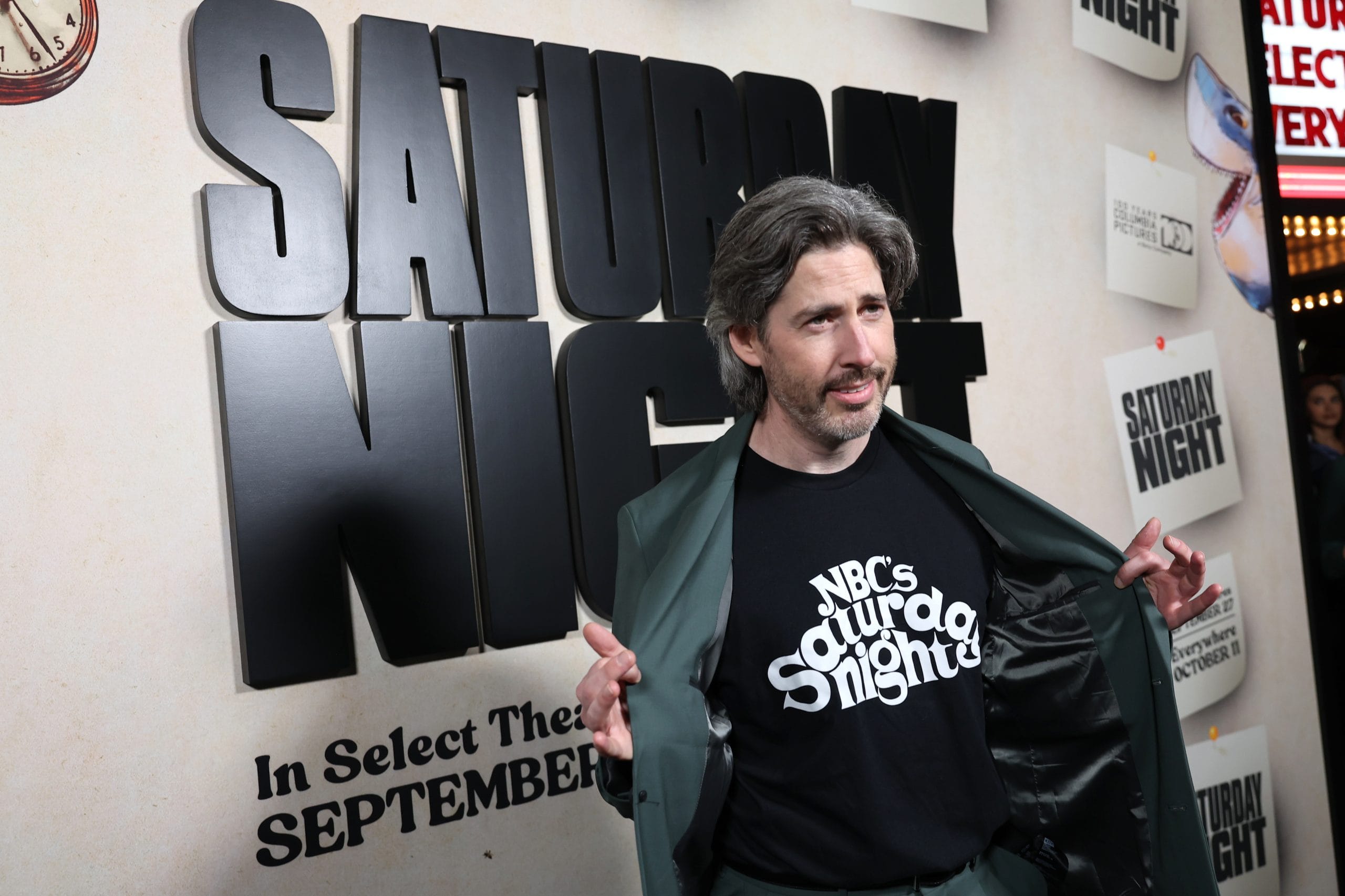
If you ask nearly anyone under the age of 60 what their favourite Saturday Night Live skit is, they’re going to have a lot of different answers. The show has left an indelible mark since it debuted in 1975, and that includes for co-writer and director Jason Reitman.
“When I was a teenager, I just could not believe they did it every Saturday,” Reitman said. “I watched it for the first time and it felt like, ‘Oh, this must be a special thing they do once a year.’ And then my dad told me, ‘No, they do this every Saturday.’ It’s like there’s 90 new minutes every Saturday.”
“It felt like a gift that I didn’t even deserve, and [then] it’s just a question of what do I have to do to stay awake till one in the morning every Saturday? I think that’s what we all feel; it’s kind of one of the things that’s brilliant about the show, right?”
That’s where the idea for Reitman’s new film, Saturday Night, was born from. Working with writer Gil Kenan, Reitman and Kenan created a script that distills the SNL experience down to one night for their film, Saturday Night: how did Lorne Michaels and his team of young writers and comedians pull off the first live episode, without looking like a biopic.
It came down to research, planning, and working like journalists, but the central concept wasn’t even about Saturday Night Live, when the film started out.

“It’s interesting… It wasn’t like, ‘Oh, we want to make a movie about SNL, what should we do?’ It was, ‘We want to make a movie about 90 minutes leading to showtime; let’s do it at SNL,'” Reitman said when I sat down with him after the premiere at the Toronto International Film Festival.
“SNL was just a location for a concept that was already swirling in my head, which was, I want to do a real time movie. I want to do a story that takes place in 90 consecutive minutes. I love movies like Victoria, where you follow a character journey that happens in real time, and I had spent time at SNL.”
“I’d always wanted to capture the energy, of what it feels like there, and all of a sudden it was like, ‘Oh! Opening night and it just kind of hit me.”
Saturday Night not only happens in real time, but everything is happening at once, in multiple rooms, so Reitman wanted to plan out where everyone was in the stage at every given minute, so they could seamlessly plan the film, story, and the shoot.
“Gil and I already interviewed every living person we could find that was around on October 11th, 1975, and we kept on collecting these memories. We had this, like, True Detective murder board of everything that happened. And as you can imagine, because it’s 90 straight minutes, you have to know where everything is and everyone is.”
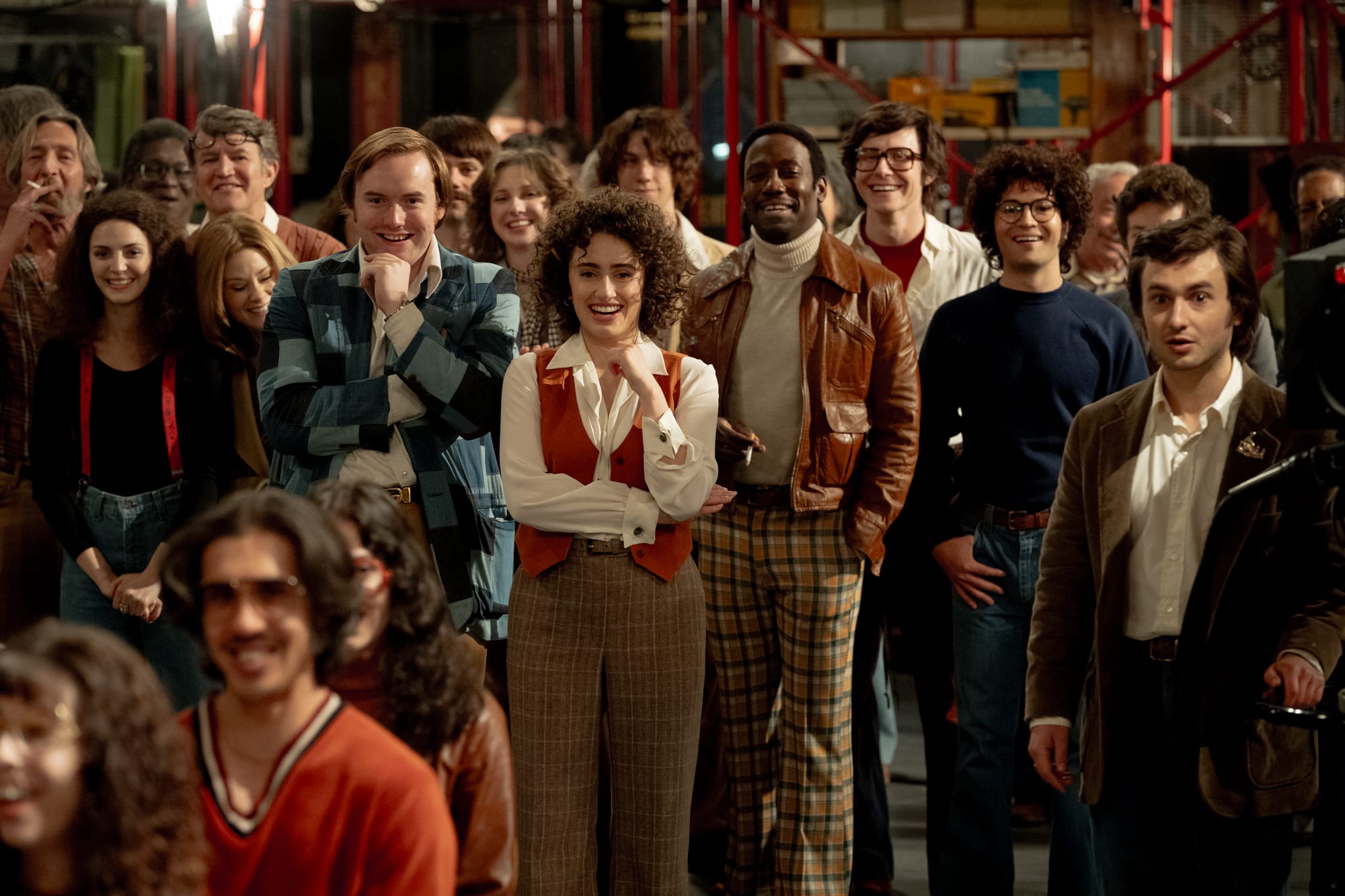
“You can’t just have loose ends or lose track of a character. You have to know what room they’re in, what they’re doing, what they’re after, what they want, what they’re trying to accomplish, what they’re struggling with.”
“Every time you reenter a stairwell or a room or anything, or an elevator, if someone’s there, you have to know what the hell they’re doing, and what the progress they’ve made on whatever problem they’re trying to solve. So in composing these giant shots, it’s usually going back to the writing, even if it’s not in the script.”
“Where is everybody? What are they doing? Where’s the llama?”
“And then we would rehearse the living shit out of it. We’d have a full day of rehearsal where you’re just moving through these long shots and at first they just don’t resemble the shots. You watch the first take, and it’s just a mess, and you just have to hone it in and hold it, and then hours later, it’s like magic. All of a sudden you watch a take and it’s like everything clicks.”
Making Saturday Night took a lot of technical skill behind the scenes, from a special camera setup, to capturing audio, with 58 mics in use at one time over two soundboards. The most astonishing thing to me though was the score.
Singer, songwriter and composer Jon Batiste not only performs in the film, he also recorded the score live on the set.
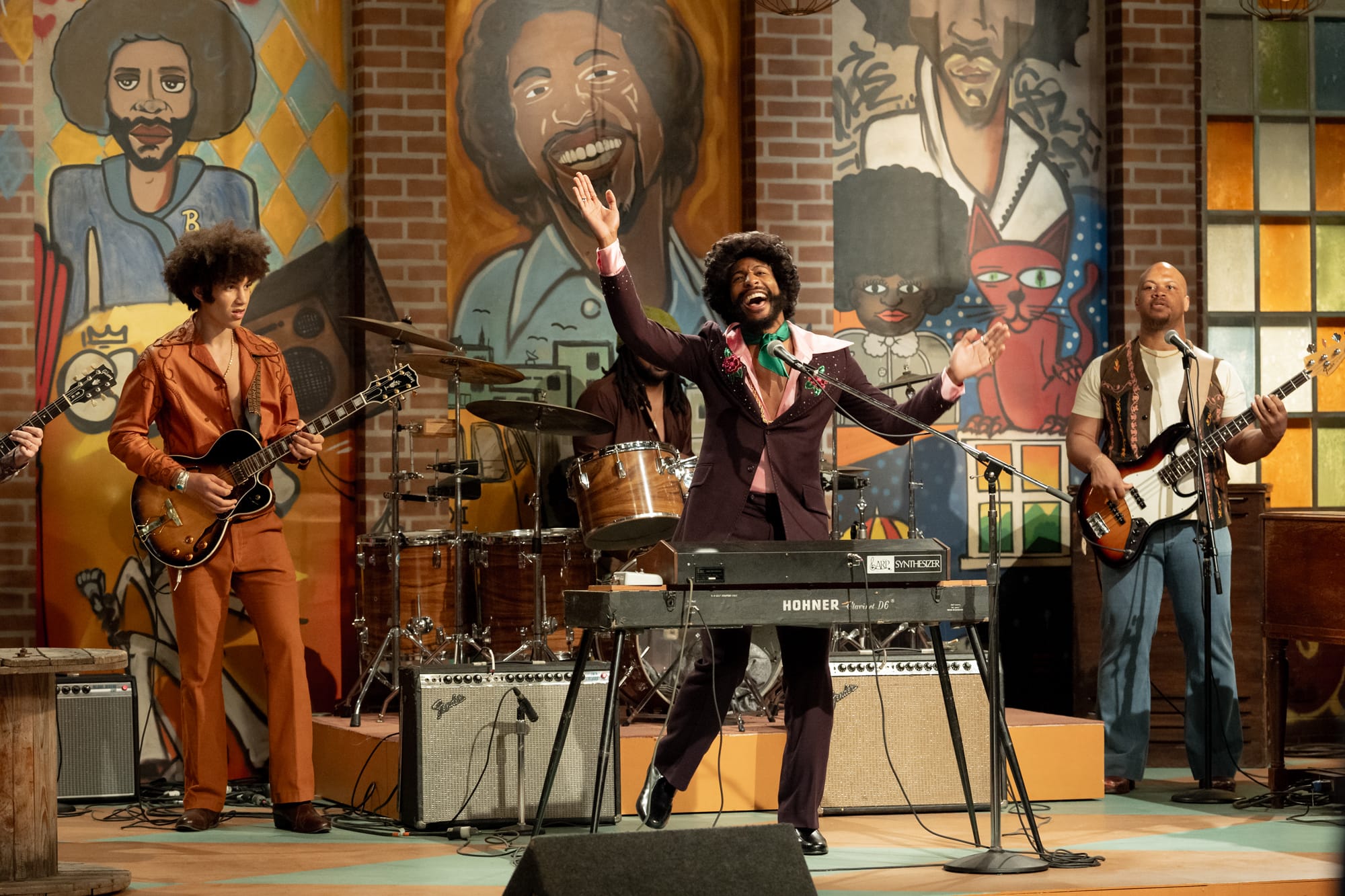
“We would show him rough cuts of scenes on a laptop, and he would watch it, and then go [to the musicians on set], ‘All right, play this, try that. I want you go from A to a G flat to a B, and then you on the shaker…'”
“Then he would go to the piano and he would just start playing something on it, and he was creating it in real time, like live, improvised, almost like SNL, and we were recording it on set. That’s the score you hear in the movie.”
“It was every person on the movie realizing we were making a movie that has to feel like SNL. It has to feel instinctual, improvised, and it’s that combination that gives you that feeling.”
Reitman’s was focused on creating an organic sense of that first night, with all of the soon-to-be iconic comedians and talents, working alongside Lorne Michaels to make something fresh and original. Saturday Night captures the mood so well that it feels more electric than a traditional biopic. It’s like a crime drama or whodunnit, but played out on a studio set, about one of television’s iconic moments.
Casting and getting the characters right, to play these real life people, their quirks, and their attitudes, was obviously key to bringing in the audience for Reitman.
“One of the rules we lived by is that they were all having a good time. So Michael O’Donoghue has a very dark sense of humour, but he’s having a great time. He’s enjoying fucking with people. Rule number one is you’re having a good time. I mean, not if you’re NBC brass, but all the kids are having a good time and there’s a key to capturing the essence of a character.”
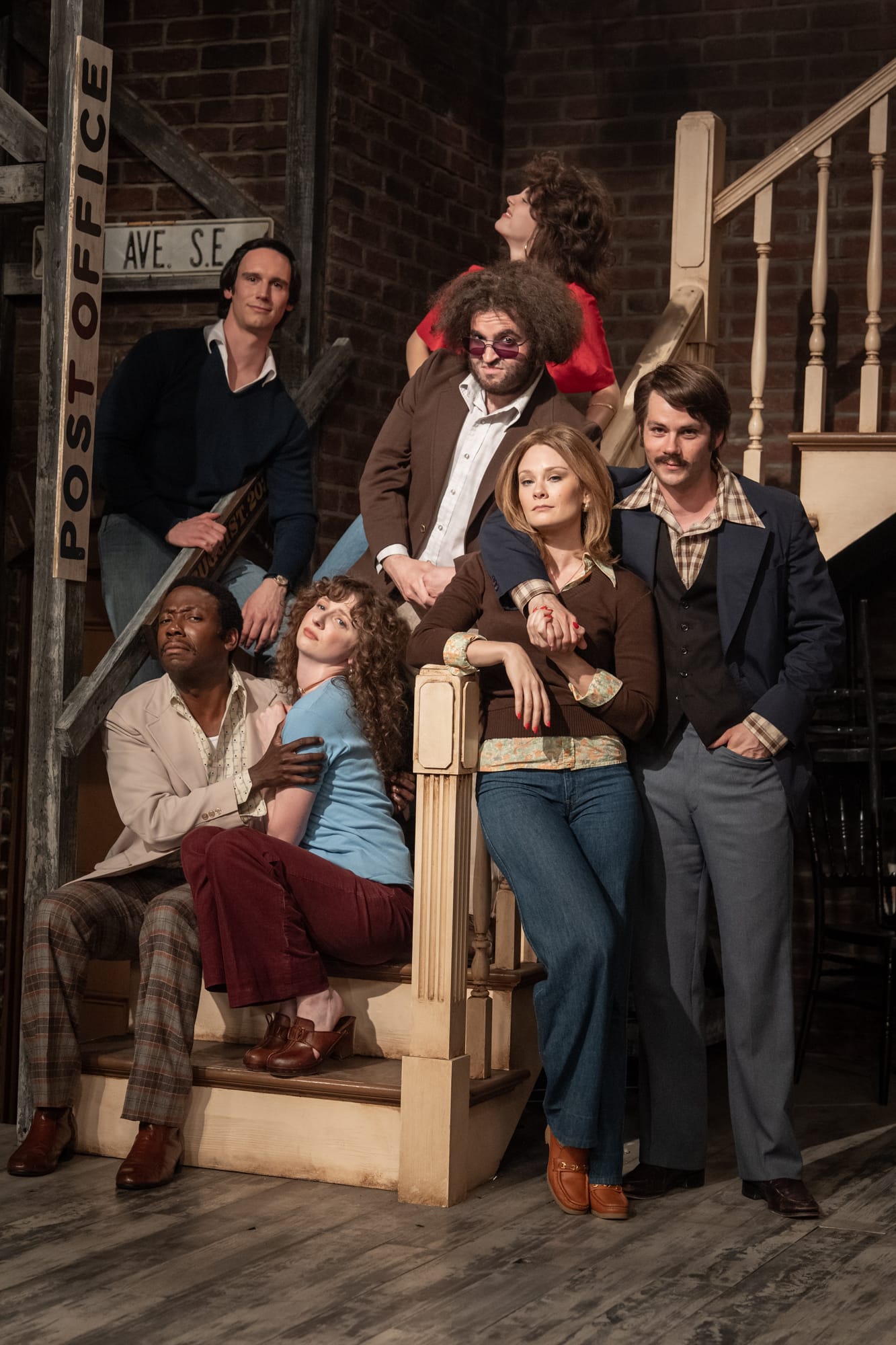
“It’s not Daniel Day-Lewis; you don’t have to go sleep in their actual bed the night before. What makes Ella Hunt brilliant as Gilda Radner is that she captures her empathy, and there’s a look in her eyes, and a crack in her voice that lets you know that she will sacrifice anything about herself to make you feel better.”
“When you talk about John Belushi, it’s about his fear of being famous. You talk about Chevy Chase, it’s the fragility of ego. When you talk about [Dan] Akroyd, it’s the rhythm of his voice; Dylan O’Brien’s ability to match that cadence and the verbosity… and now you’re clicked into who they are, and then more importantly, their chemistry together.”
Reitman wanted to get one person’s approval, before he started. For everyone else they portrayed in the film, he focused on research and interviews.
“I asked Lorne for his blessing at the get go, and he was charmed by the idea and has been really lovely to me and interviewed with me, but more than anything, [we] had to turn into journalists, which was way scarier than I thought it would be.”
“That being on the other side and having to ask questions and always be doing that work in the back of my head was like, ‘What’s that question I’m going to ask?’ And, ‘Oh my God, am I losing them? Or are they being honest right now?'”
“It’s all that shit that was really hard to do,” he said.
Saturday Night is a tremendously fun, and somehow also a film that will make you feel anxious, and I loved every minute of it. For Reitman, it was also the closest he’s ever come to nailing his vision, and that’s saying something with most directors.
“[Saturday Night is] the closest I’ve ever had to what I had in mind, and I’m really proud of that because, as a filmmaker, you always have an idea in your head, and then you try to hit the target and you’re like, ‘All right, well, that is 70% of what I had in mind.'”
“I’ve always admired directors like David Fincher where I’m sure that [a film is] 100% of what he had in mind.”
“Of course I was trying to make a movie that’s chaotic and wild, but I wanted to represent what I remember [and] how it felt standing on the floor of the stage as I heard the countdown, and I wanted the audience to feel that rush and excitement.”
“And, yeah, it’s scary. Even when you’re in the audience at SNL, you’re scared and you don’t have to do anything. You’re just sitting there, but you feel that pressure. When I watch the movie, like I did last night, here in Toronto, I could feel it in the audience. I feel it even as a viewer watching my own movie.”
“It’s the closest I’ve ever gotten [to that original vision].”
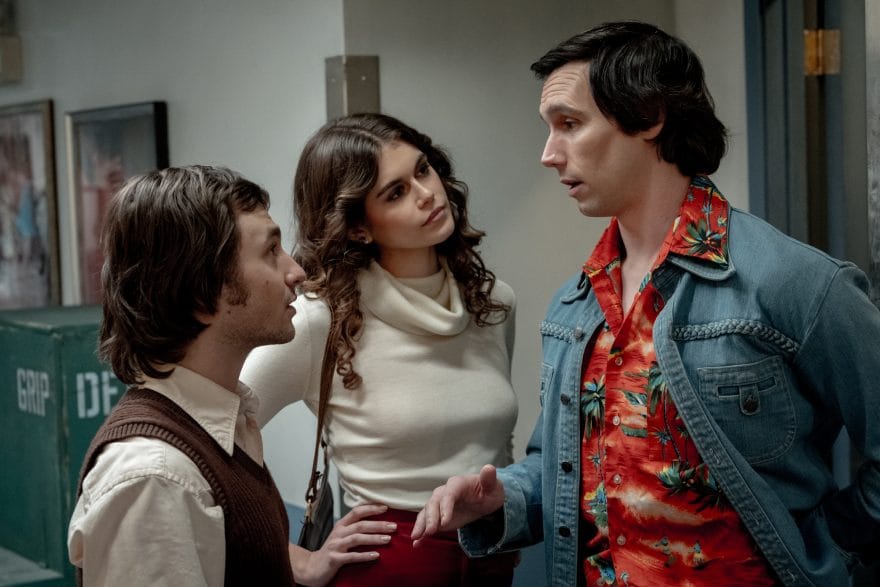
All images courtesy of Sony Pictures.
