
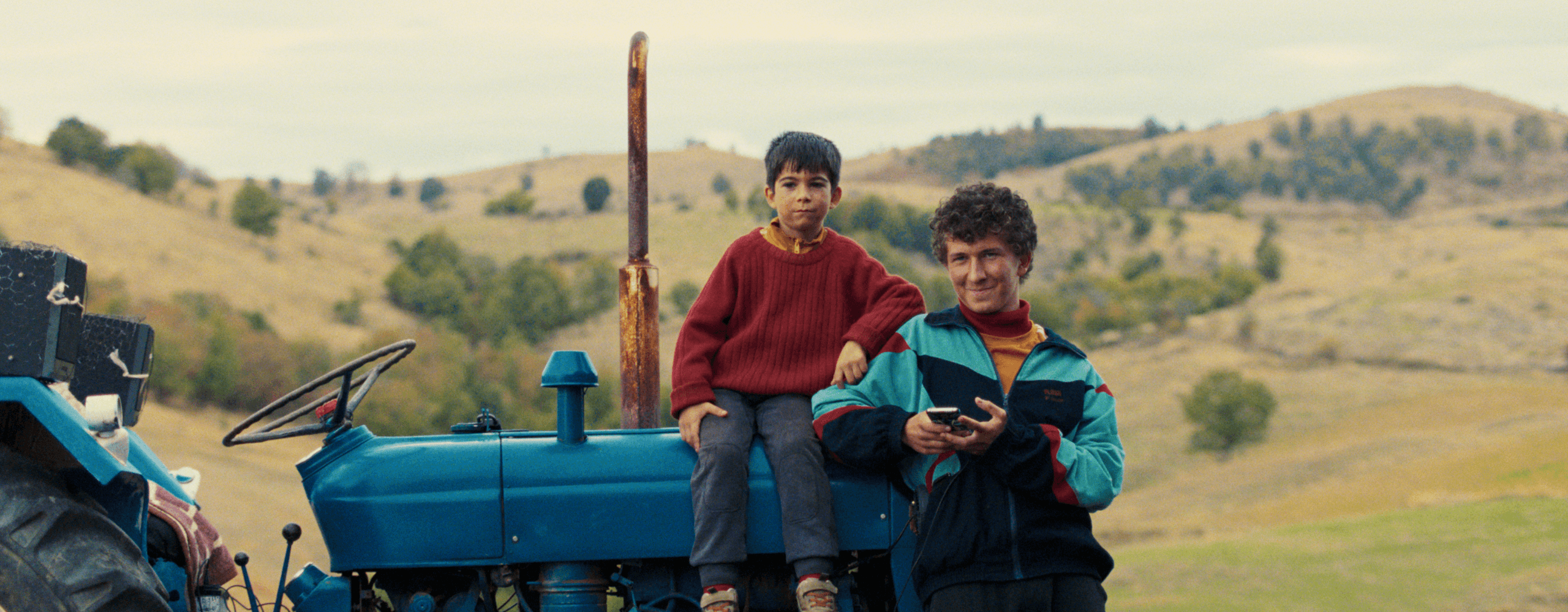
Macedonian filmmaker Georgi M. Unkovski’s first feature DJ Ahmet is a gentle, unforced kind of crowd pleaser that relies on a refreshing amount of simplicity and realism. A tale of youthful rebellion in a small, conservative town, DJ Ahmet has religious, cultural, and geographical specificity to set it apart, but this kind of story has been done before all over the world many times before: a young person falls in love. both sides of the budding relationship have stern parents in their lives that hold them back, tradition and legacy are always in the way of their goals, artistic expression is frowned upon, and by the end, both will have to stand up for themselves and try to change everyone’s minds. It’s all stuff that’s familiar and easy to relate with, but writer-director Unkovski has the ability to confidently breathe new life into material that can translate to many cultures around the world.
Fifteen year old Ahmet (Arif Jakup) is at the beck and call of his single father (Aksel Mehmet), a sheepherder and tobacco farmer in a rural, predominantly Muslim Northern Macedonia village. Dad keeps pulling Ahmet out of school to deal with matters at home while he’s off at the market trying to sell their wares. Ahmet’s little brother, Naim (Agush Agushev), doesn’t speak, which upsets their father so much that daily trips to a local “healer” also get in the way of the teen son’s social, school, and work life. One evening while tending to the flock, Ahmet makes his way through the woods adjacent to the farm and discovers a secret rave, an event that rekindles a love for music that was passed down by his mother. It’s there that Ahmet first catches a glimpse of Aya (Dora Akan Zlatnova), the granddaughter of a neighbour. Aya, who just returned from Germany, has dreams of being a TikTok star and frequently practices dances with her friends in secret. Ahmet agrees to help Aya, and his crush on her grows bigger over time. But Aya has only returned to their village so she can enter into an arranged marriage that will effectively put a stop to her independence and happiness, something the equally trapped Ahmet can sympathize with.
DJ Ahmet is cinematic comfort done well, with Unkovski preferring quiet moments to saccharine sweetness or an abundance of grand, sweeping gestures. Until the conclusion (which does have a well constructed and nicely telegraphed set piece), DJ Ahmet prefers to focus on observed emotion rather than the obvious. Unkovski does a great job of using the characters’ actions and reactions to tell the audience what they’re thinking and dreaming about rather than spelling everything out in the dialogue. There’s a sense of realism to Unkovski’s work that nicely offsets the romantic daydreaming and wistfulness.
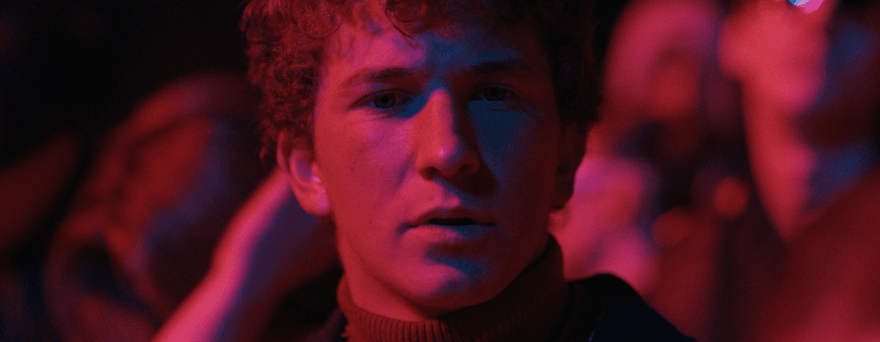
The cast are fully capable with meeting Unkovski and his material on their own terms. Jakup is a revelation in the lead, showcasing charm, emotional intelligence, and the ability to make it look like he’s trying to keep things together while the living situation with his father grows increasingly untenable. Jakup has great chemistry with his family members, too, with Agushev putting in a disarmingly layered performance for such a young actor, and Mehmet taking what could’ve been a stock, authoritative, and grieving paternal figure and making a lot more of the character’s pain internalized and implied. And Zlatnova makes it easy to see why Ahmet would fall for her character by balancing Aya’s rebellious streak and capacity for kindness with perfect harmony.
DJ Ahmet is set in a community where religious customs and small town prejudices have been solidified in amber, and bucking convention often feels fruitless. Ahmet and Aya’s devout Muslim parents and some gossiping locals are typical of such attitudes, and this kind of story can only take place in a community where people have devalued art to such a degree that even the slightest transgressions or mistakes are tantamount to large scale rebellion. In a refreshing twist, the local muezzin (Atila Klince) keeps relying on Ahmet to answer all of his technical and computer questions, but this comedic relief character also proves to be one of the more level headed people in the community. The setting of DJ Ahmet is almost akin to a European, Muslim rebooting of a classic 80s teen movie, but again, it’s the little details that make the difference here.
DJ Ahmet goes down easy and leaves the viewer satisfied. It belongs to an established genre tradition, but still manages to maintain a specific sense of culture and community that sets it apart. And, in a strange way, it would make for a great double feature with last year’s outstanding documentary, The Tale of Silyan, which also finds a lot of emotional catharsis for someone struggling on a Macedonian farm. Well versed audience members will be able to identify a lot of the inspirations for Unkovski’s film, but the refreshing use of these tropes will make this one a lot more memorable.
DJ Ahmet opens at TIFF Lightbox in Toronto on Friday, January 2, 2026.
