
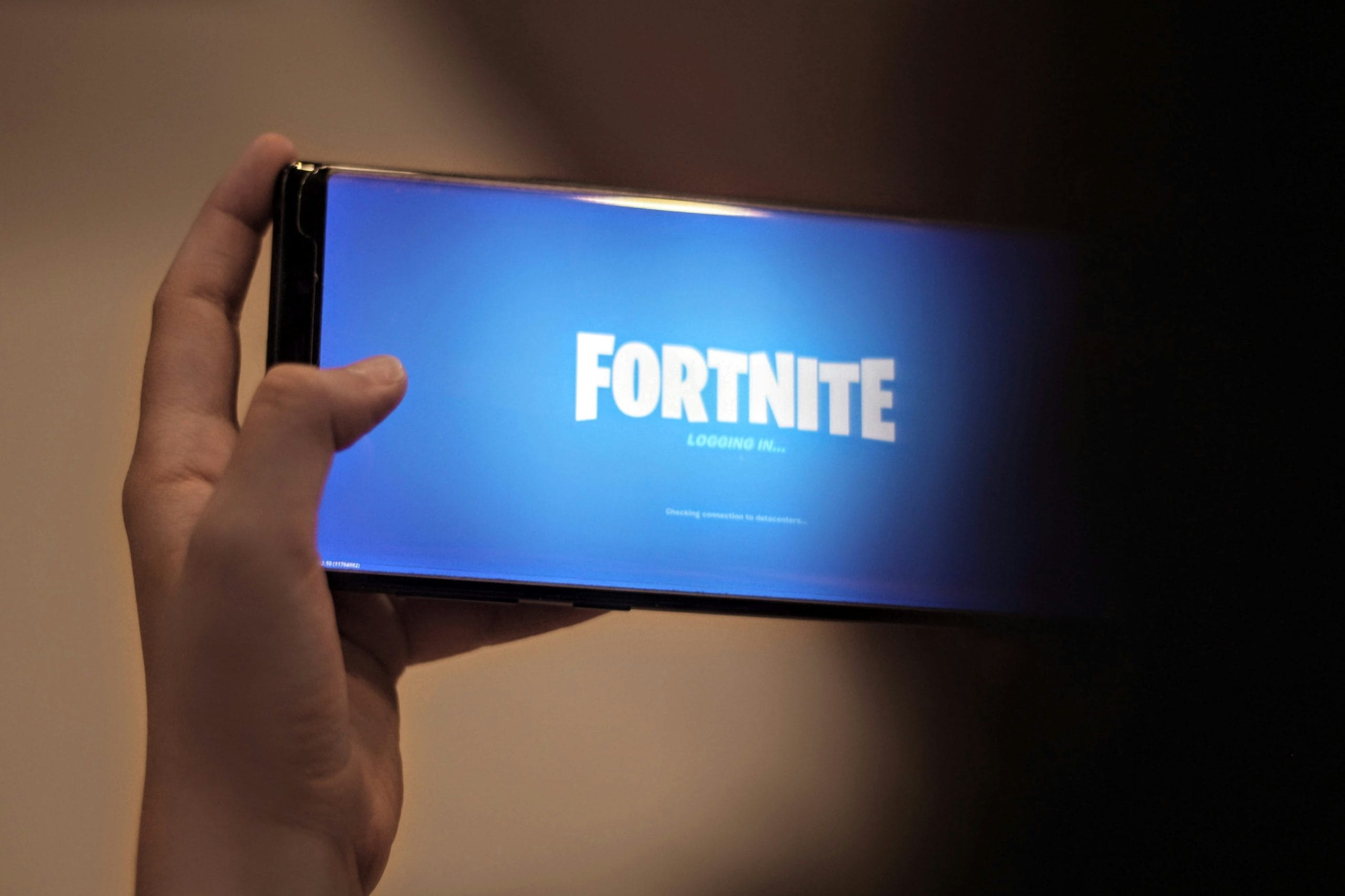
By 2026, Fortnite will have completely evolved from a simple battle royale game to a global digital space where you are defined by your looks. In a lobby with hundreds of other players, your visual identity, or Outfit, is your only means of immediate communication and will convey your experience, your tastes, and your elite status before you ever even take your first shot. Being a “default” player in today’s Fortnite means you are invisible, a background extra for the real stars of the show.
The illusion of accessibility and the wall of time
Epic Games created a brilliant system built on a strict FOMO, or fear‑of‑missing‑out principle. For years, players have been conditioned to believe that missing a season or event means losing content forever. Skins like Black Knight or The Reaper from Chapter 1 became the digital equivalent of vintage Rolex watches. They are valued not for their design, which may seem simple by modern standards, but for their history.
For millions of gamers who joined the project in Chapters 3, 4, or 5, these items became an unattainable dream. The developers’ policy regarding old seasons remains unshakable: past‑year content is locked in the vault forever. This artificial barrier creates massive demand on the secondary market. People actively search for Fortnite accounts for sale because it is the only guaranteed way to access the “hall of fame” and instantly claim veteran status without waiting years.
Owning one of these accounts is an investment in social capital that can’t be farmed through regular, boring grinding. The older the game becomes, the more valuable these rarities grow, turning into true museum pieces.
The “Sweat Skins” phenomenon: the psychology of fear
Within Fortnite’s competitive community, there is a special cultural layer tied to so‑called sweat skins. This is the uniform of esports players and those who aspire to become them. Choosing these cosmetics is not about aesthetics, but about tactical advantage and intimidation.
If you see a player rushing at you in an Aura, a monochrome Superhero, or a Focus skin, you know it won’t be an easy fight. These models are chosen for their “slim” silhouettes and minimal distracting details, which supposedly help with better aim control. In a large PC Gamer roundup of the best skins, the authors break down how certain skins became symbols of aggressive play and why beginners often copy pro players’ choices, hoping it will improve their performance.
Using a sweat skin works because it makes your opponent nervous. Seeing a “soccer skin” with a Star Wand pickaxe, many players subconsciously switch to full defense and start making mistakes.
The real value of your locker
Not all “golden” skins are worth the same. Many newcomers confuse shop rarity (Legendary, Epic) with actual collector value. In reality, an 800 V‑Bucks skin that hasn’t appeared in the shop for 1000 days is valued far higher by the community than a legendary outfit from a fresh collaboration that everyone can buy.
Below is a table that helps evaluate the true status of items in your inventory:
| Item origin source | Market availability | Community prestige | Collector value |
| Chapter 1 Battle Pass | Never returning | God tier | Extremely High |
| Exclusive Console Bundles | Codes expired | Very High | High |
| Item Shop “Vaulted” | Unpredictable | Medium to High | Medium |
| Recent IP Collaboration | Frequent rotation | Low | Low |
| Crew Pack Subscription | Legacy only | Medium | Medium |
And there is a special category of items removed due to licensing disputes or scandals. Skins like Travis Scott or the original Black Widow have become “ghosts,” whose return is nearly impossible, making their owners true celebrities in any match.
A New Era of Battle Passes
Recently, Epic Games introduced fundamental changes to the game’s economy, announcing that items from future Battle Passes may appear in the shop 18 months after a season ends. This decision is meant to reduce FOMO pressure on new players. A detailed breakdown can be found in the Eurogamer article that noted this rule does not apply to old content.
This creates an interesting double‑standard situation:
- Modern content: A temporary exclusive that becomes available to the masses later;
- Classic content: A permanent exclusive available only to a select few.
Such a division only strengthens the position of old‑account owners. The gap between the “old guard” and the new generation becomes unbridgeable. And although newcomers no longer have to fear missing the next Marvel hero, they still will never obtain that “elite” aura possessed by owners of Omega or Drift.
Conclusion: More Than Just Pixels
Ultimately, Fortnite is a social platform where your inventory reflects your journey. The desire to own rare things is rooted in human nature, and the digital environment only amplifies this feeling. Thus, the pursuit of rare accounts and skins will continue as long as the game’s servers exist, because everyone wants to feel unique among millions of identical characters.
Photo by Joshua Hoehne.
