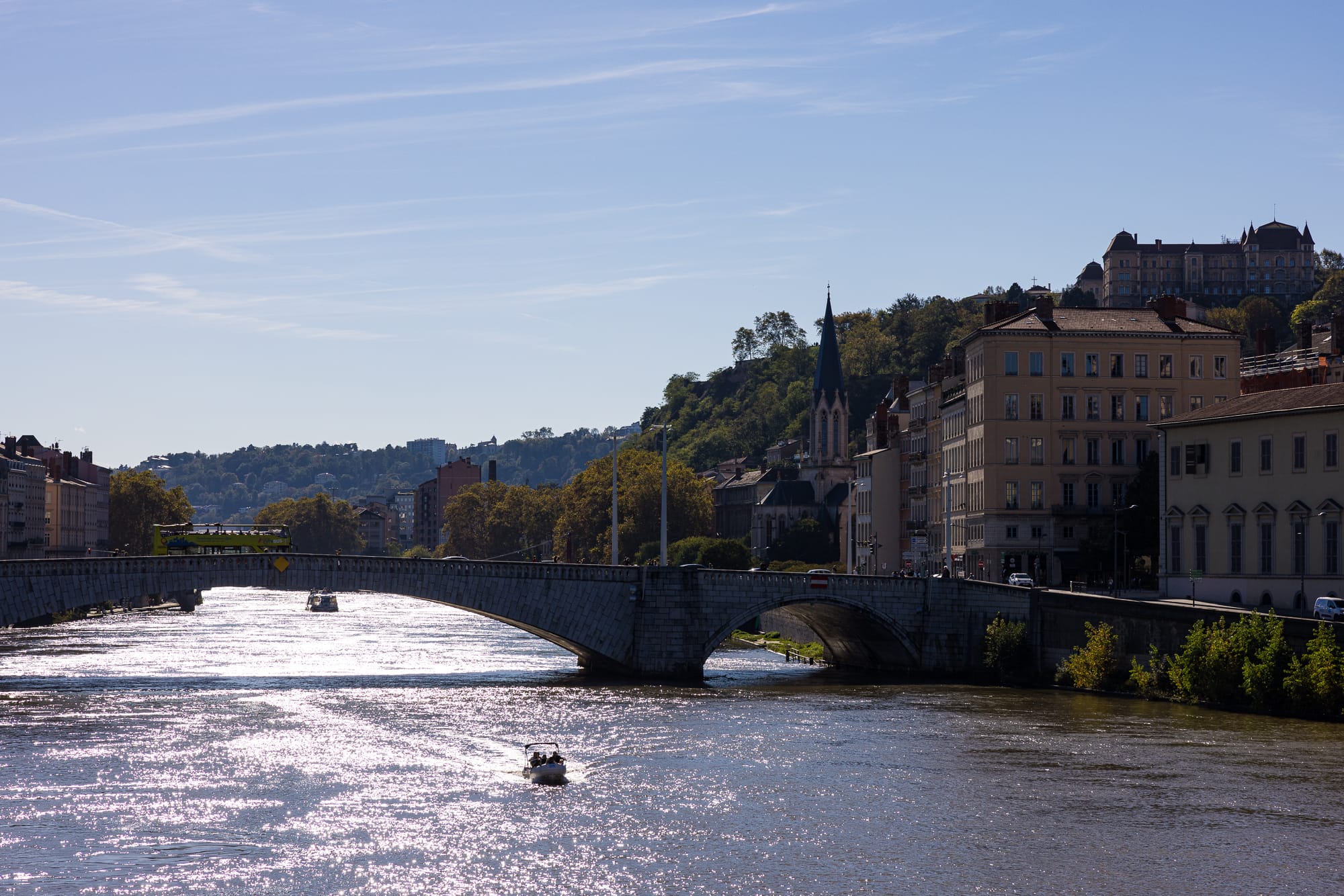
Lyon is an idyllic French city where gastronomy and culture meet art, along streets filled with green spaces, romantic architectural gems, tracing back over 2,000 years of history.
Where the Rhône and Saône rivers meet, Lyon is home to some of the finest cuisine in France, it was home to the men who helped create modern cinema, and it’s one of the most charming places to escape. While Paris may be larger, Lyon is an easier destination for a lot of reasons, including the fact that it is smaller, but still offers so much to see and do.
For Canadians, and many other international travellers, there are direct connections into Lyon’s airport, including from Montreal, and a number of major cities in Europe. Or you can fly into Paris and take a short train ride directly into the heart of Lyon.
You could visit Lyon to marvel at the vibrant street art scene, for opera or theatre, the 1,200 kms of cycling trails, or to learn about the history of silk making. But most people will visit because of the cuisine, and the more than 5,300 restaurants, including 17 Michelin-starred restaurants, and 23 certified bouchons, a Lyonnais tradition in gastronomy.
Lyon is marvellous, with an old quarter, where narrow streets still hold onto the past, and La Presqu’île, where the modern city stands alongside charming, historic buildings.
Lyon, I love you
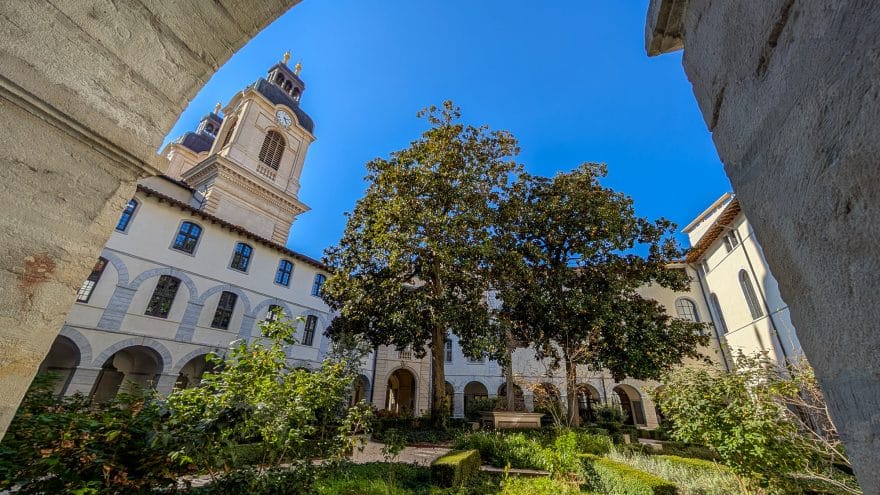
Lyon is the perfect city of contrasts. Among the streets you’ll find classic French architecture, with modern flourishes, like the Opéra National de Lyon. Art meets science inside the modern walls of the Musée des Confluences. History and snapshots of the world’s culture have been stopped in time at Musée Lumière. And classic recipes from Lyon’s working-class women helped create the cuisine that led Lyon to be called the world capital of gastronomy.
So many cities pave over the past, or never leave it behind, but Lyon is a beautiful blend that feels like a renaissance. Lyon kept the treasures of the past, and worked them into something new and exciting.
You’ll still find statues, and art on museum walls, but you can also walk the city and be inspired by street art that’s often raw, grandiose, larger than life, or subtle and subversive. Pixel art is easy to spot, and fun to look for, but I was just as pleasantly surprised to spot the holes in the sidewalks that had been patched with striking tile mosaics.
I found Lyon refreshing and inviting, and kinder than larger cities, not to mention easier to get around. The city offers the perfect scale, and it’s a great jumping off point to explore more of France.
Lyon, old and new
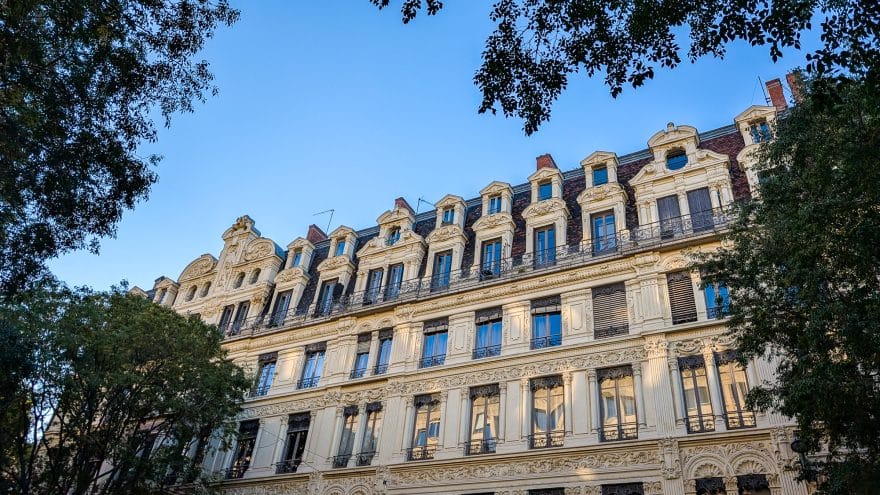
Nine arrondissements make up Lyon, however most visitors will want to learn about Presqu’île, the city centre, Croix-Rousse, the old streets of Vieux Lyon, and some of the neighbourhoods east of the centre, like Monplaisir.
Vieux-Lyon is Old Lyon, where the original narrow streets and charm of the historic city have been preserved, with hidden “traboules” or passageways between streets that go through buildings, and unique courtyards.
La Presqu’île is the heart of the modern city, a peninsula between the rivers, filled with parks and French architectural classics that would feel as welcome in Paris, as Lyon. Connected with excellent public transit, and even closing off the city’s core to traffic starting later this year–in an effort to make the city greener and better for pedestrians–I fell in love with the way the city is so easy to explore.
The real heart of the city, if you ask me though, is gastronomy. The city was named the World Capital of Gastronomy in 1935, and today you could dine at three restaurants a day for a whole year, and only scratch the surface of the city’s restaurants. The restaurant scene is extensive, popular, and refreshingly unique.
Famed chefs from the region include Paul Bocuse (the iconic inspiration for chef Auguste Gusteau in Pixar’s Ratatouille), Eugénie Brazier, Françoise Fillioux, Émile Jung, Christian Têtedoie, and many, many more. They have all helped inspire a city that takes cuisine seriously, while maintaining recipes that have been passed down for generations.
Once you’ve started to sample the flavours and textures of Lyonnaise cuisine, you may not want to leave.
Lyonnais Bouchons
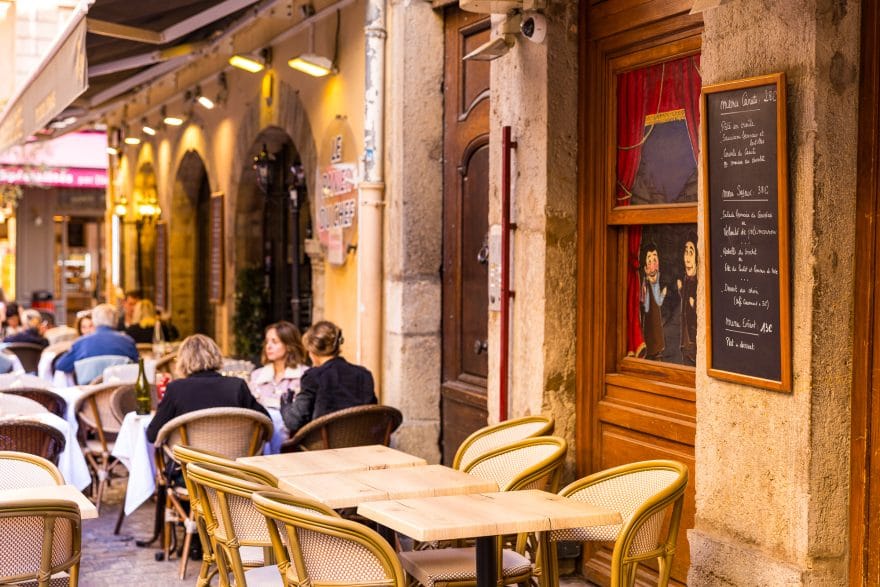
And that’s why we need to talk about Lyonnais bouchons, the special restaurants that have inspired Lyon’s gastronomic heroes for decades, starting as far back as the late 1700s.
During a conversation I attended with chef Christian Têtedoie, he talked at length about the creative women of the past who inspired modern day Lyonnais cuisine, all from working-class kitchens around the city. The idea was that they were making great food with what they had, and today, sitting down for a meal at a bouchon is an experience that connects you to the history of the city.
There are a number of dishes that are common in nearly every bouchon: from the classic salade Lyonnaise, a mixed salad with vibrant dressing and a poached egg; to Cervelle de Canut, a white cheese made with shallots, white wine, and crème fraîche; or Oeufs Meurette, poached eggs cooked in red wine; and tablier de sapeur, a veal tripe marinated in wine and breaded; just to name a few.
The list of classic menu options is robust, and many bouchons will still closely to those dishes, but not always, and sometimes they offer subtle spins on the recipes, too.
I enjoyed a fantastic meal at Bouchon Palais Grillet, including local wine, sharing a few dishes to try the range of flavours, and great company. It was a wonderful introduction to the traditional restaurants, and I’m looking forward to trying more dishes the next time I visit.
You can browse the list of bouchons on the official Les Bouchons Lyonnais website.
A wide range of art and culture
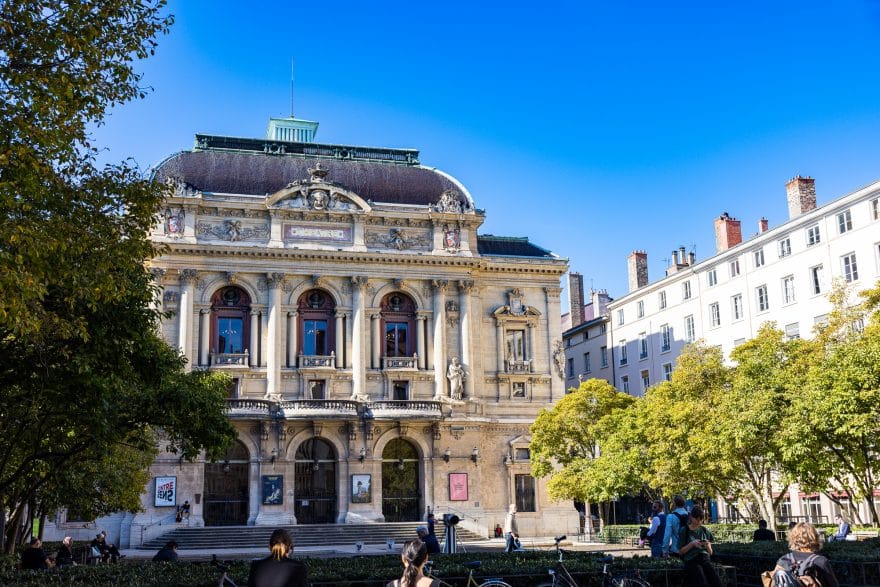
Lyon is filled with tremendous art and culture, and I have a few favourites to say the least.
The Musée Lumière is a look back on two of the most famous inventors who helped create modern cinema. The Lumière brothers helped create, not only the technology that inspired cinema, but the style of early cinema. Their original home has been preserved, and it’s where the annual Lumière Film Festival happens every October, not to mention where their first film was captured as workers left the factory.
The Musée des Confluences is a remarkable mix of art, history, and science. Exhibits include dinosaur bones that you can touch, special events like “Within the space of a dream” that runs until August and looks at how we relate to dreams, and much more. Their permanent exhibit, Origins: Stories of the World, is a fascinating look at the origins of life on Earth, shown through science, and art. The museum offers a unique experience that the whole family will love, and ponder.
Visit the Opéra National de Lyon for a backstage tour, or better yet, plan ahead and book a seat at one of their performances, in a space that’s both modern and classic, melding together a historic building with a design like you have likely never seen in an opera house. It’s refreshing and bold. I would frankly plan a visit to Lyon around the opportunity to see something at the opera house.
In Croix-Rousse, you can walk to explore street art painted on buildings, with both large scale pieces and small works of art peeking out over doorways, and around corners. One large piece dominates an entire building’s wall, while small pieces may be no bigger than your hand. There’s pixel art, that looks like Nintendo characters, legs that stick out of a wall, political and environmental messages, recreations of cave drawings, and so much more. Book a tour guide to really learn about the art in the area, or explore at your own pace and see what you can find.
Gateway to the rest of France
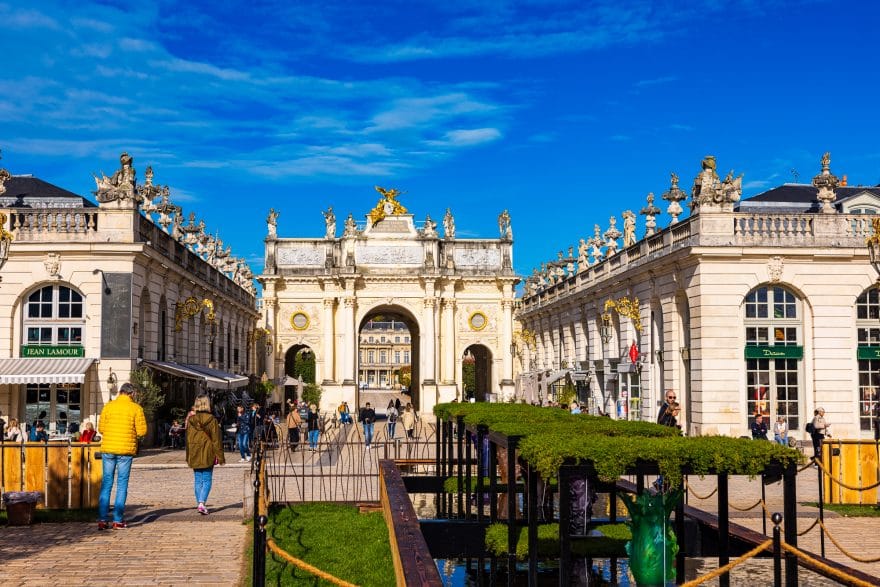
Lyon is just a train ride away from Paris, but it’s also close to many French highlights. From Lyon, explore the region of Auvergne-Rhône-Alpes, to the north there is Bourgogne-Franche-Comté and Grand Est, to the south is the iconic coastline and Provence-Alpes-Côte d’Azur, and those are just the closest regions.
I had a wonderful trip north and Grand Est, exploring Strasbourg, Nancy, and Reims, and it’s a trip that I highly recommend. The train trips between Lyon and each stop are short and affordable, the cities are beautiful and offer so much history and culture, and I had some of the best meals of my life between these four destinations.
Strasbourg offers a rich history that’s still inspired by the former region of Alsace, and the German border, and you can see that in the art, architecture, and the cuisine.
Nancy is the home to one of Europe’s most incredible grand squares, and astonishing art nouveau from the École de Nancy artisans who helped spread the art style across France and beyond.
And finally, Reims is the heart of France’s Champagne region, surrounded by vineyards, with exceptional wineries you can visit, and step into the cellars filled with aging bottles.
If you want to explore France, Lyon is a natural place to start and explore a range of unique cities and towns, the beautiful countryside, and remarkably varied regions.
Tips and more resources for your trip
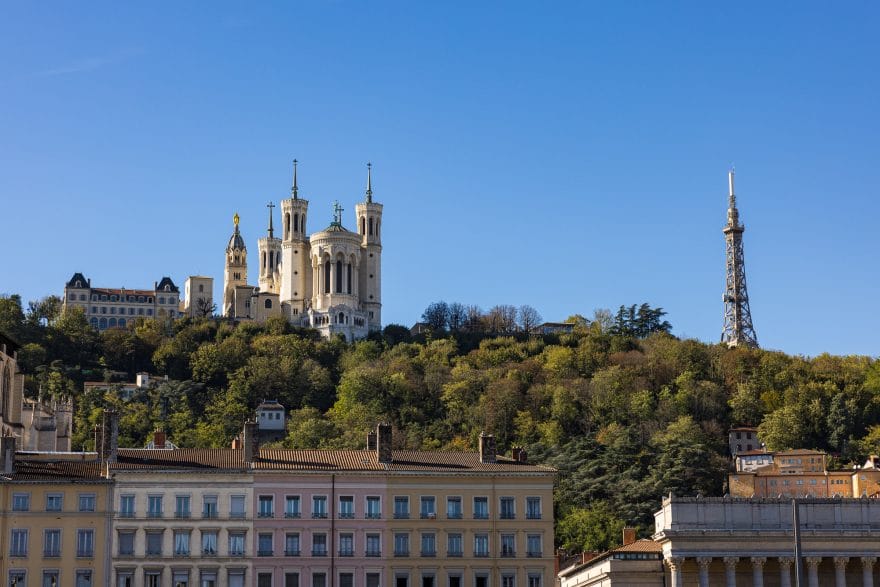
The Lyon City Card is a great option for getting around the city and seeing art and culture. The card includes free admission to 27 museums, public transit, and other perks, including discounts. A few highlights are river shuttle access, bike rental service, and it’s available at a number of locations, including the Only Lyon Tourist Office at Place Bellecour, online, and many museums and hotels.
Prices start at 29 Euros for 24 hours, and 59 Euros for 96 hours, plus there are also deals for children and students.
For timing your trip, summer is of course a wonderful time, but it’s also very busy. If you can make it work, I would recommend visiting in spring or fall, which are both wonderful times to explore when the city is often a little less busy.
For more information, read travel stories and suggestions on Visit Lyon, watch my travel video below, and stay tuned for more coverage of my travels in France.
Looking for the perfect hotel in Lyon? Find a hotel for your stay.
Watch my travel guide to Lyon
All photos by W. Andrew Powell, The GATE.