

Google’s new Pixel lineup is one of their most exciting in years. The Pixel 9 Pro Fold is coming to Canada, the Pixel 9 Pro XL is bigger and better than previous Pro devices, and the Pixel Watch 3 and Pixel Buds Pro 2 look sharp, with solid upgrades from previous models.
Between those devices, the AI features, and Pro-only features, it would be easy for the Pixel 9 to get a little lost, but it left a big impression on me over the last week.
From the updated design, key features, and the always quality photography from Pixel phones, the Pixel 9 stands out in many ways. The phone is quicker, feels better–thanks to the new camera bump and the nice, new flat aluminum frame–and some of the new AI tools are very useful.
So where does it stand next to the Pixel 8 and the competition? It’s a hit for me, with a few caveats.
Design and display
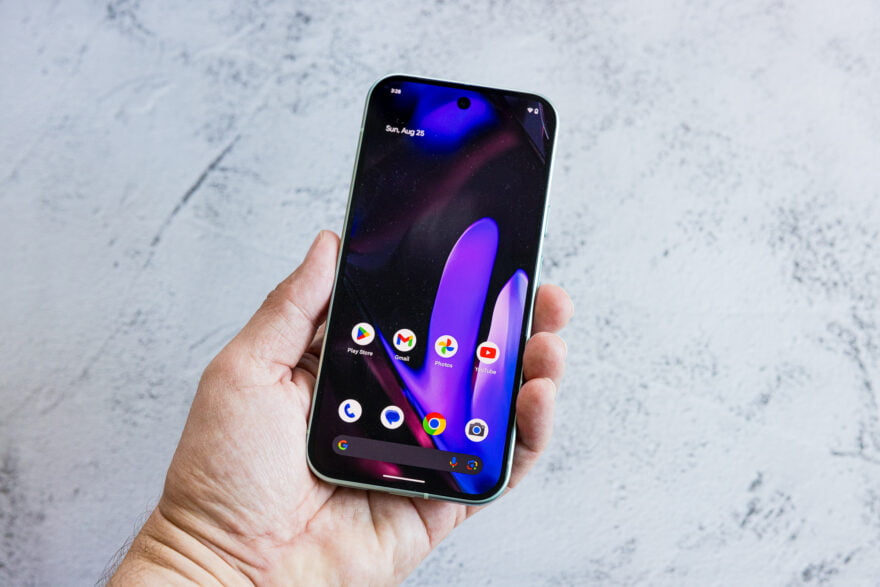
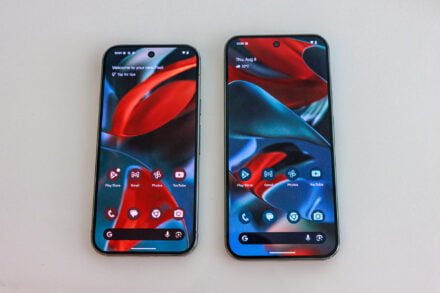
The Pixel 9 design is very similar to the Pixel 8, but there are key differences.
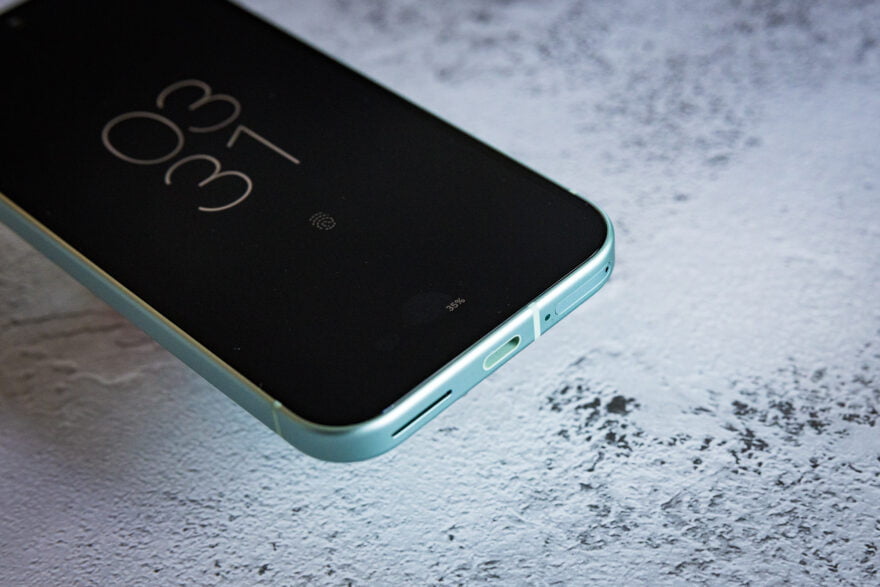
The new camera bump is elegant and stylish, and I love the range of colours, including wintergreen, that Google provided to me. I also love the flat, new aluminum frame that looks so much cleaner and sharper. Even in my hand I prefer the Pixel 9’s shape because it feels easier to hold and grip.
The Pixel 9 also has an ever-so-slightly larger display–by 0.1 inches–with Corning Gorilla Glass Victus 2 on both the front and back for better durability.
In terms of specs and features, there are a lot more updates, but these basics make a difference. I haven’t been as big a fan of the recent Pixel designs, but I love the Pixel 9. It stands out, especially next to other Android phones.
The OLED display, with 422 PPI, and Smooth Display, with 60 to 120 Hz refresh rate, looks great, and at 7 oz/198 grams, it’s a perfect weight. The display is also 35% brighter than previous models, with up to 1800 nits, for HDR, and up to 2700 nits of peak brightness.
Google used recycled aluminum in the frame, which I really appreciate, along with the new greener packaging that doesn’t include any plastic.
Performance and battery
Perhaps one of the biggest and most helpful updates for the Pixel 9 is the RAM, with the phone running 12 GB of RAM, over the previous 8 GB for the Pixel 8. Along with the Google Tensor G4 and the Titan M2 security coprocessor, the Pixel 9 feels very quick.
For comparison, the Pixel 9 Pro and 9 Pro XL both have 16 GB of RAM.
The Pixel 9 is available with 128 GB or 256 GB of storage, and I’ll say it again: I still think 128 GB of storage is a little slim for some users. If you want to save a little money, it can make the phone cheaper, but that works out to about 100 GB of storage space to store all of your apps and files.
If you’re shooting 4K videos, and downloading movies to stream offline, that space will likely fill up fast. However users who shoot a lot of video may also prefer to consider the Pixel 9 Pro or Pro XL anyway.
The battery is one of the Pixel’s other big updates, with a typical capacity of 4700 mAh, and a minimum of 4558 mAh. That makes a big difference in how long you can use the phone, and charging is also faster, with up to 55% in 30 minutes using a Google 45W charger.
That charger is unfortunately sold separately, but fast charging is decent at 27 W.
Photography and videos
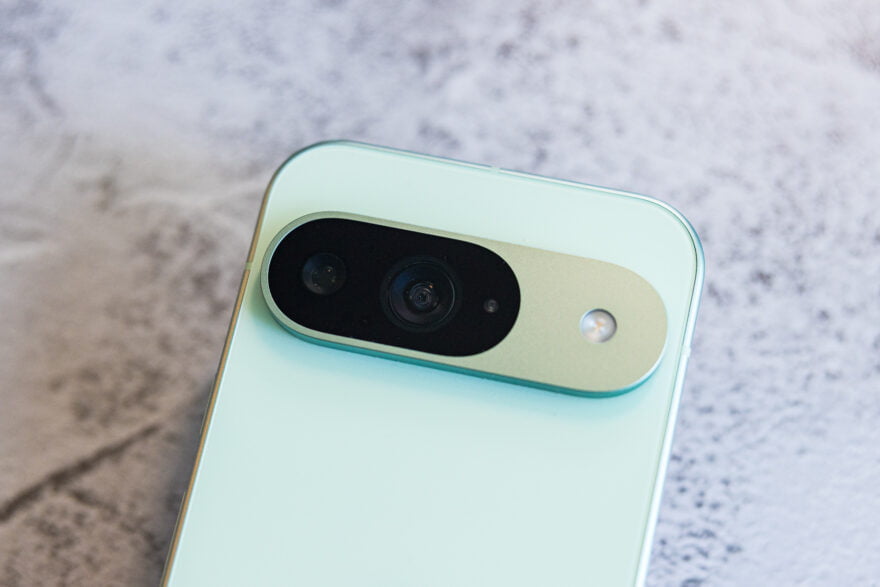
Phone photography has come a long way, and there’s serious competition now for the best camera phones, but the Pixel series, and the Pixel 9, still stands out in a few key ways.
The Pixel 9 has an excellent 50 MP wide camera, with a 48 MP ultrawide camera with Macro Focus, and an optical zoom up to 2x, plus up to 8x digital zoom with Super Res Zoom. The front camera is the same as the Pixel 8, but with a slightly wider field of view.
By comparison, the Pixel 9 Pro phones now offers a 42 MP front-facing camera.
The photos and videos are overall good, although I wish the selfie camera was a little higher quality, and I wish the phone’s rear cameras offered 3x optical zoom at the very least. I captured some great images though during the day and at night, including with long exposure mode, portrait, night sight, and in slow motion mode for video.
The real stars of the phone features though have to be the new Add Me mode, Real Tone, Astrophotography, and Top Shot. Add Me is the feature that finally means the photographers can be part of the shots. To use it, you take the photo of the other person or people, and then they move out of frame and take a photo of you in the same spot. The double-exposure makes it look like you were all in the photo together all along.
Google’s editing tools are still excellent, and I still really appreciate tools like Magic Eraser, general image enhancement features, and other built-in tools to make photos look better.
Speech enhancement, stabilization, and up to 4k/60 fps are still the standout features for video on the Pixel 9, and sometimes Macro Focus.
Other Android phones are offering some impressive photography results these days, to the point that not everything Google does is as impressive as it used to be, but no Android phone has a better night mode, and Astrophotography is still one of my favourite Pixel-only features.
A few photos from the Pixel 9 cameras:



Features and Gemini AI
Google is promising 7 years of OS, security, and Pixel Drop updates, and that’s a pretty big deal. The phone offers dual SIM with a single Nano SIM, plus eSIM, and Wi-Fi 7.
The new Screenshots app is a very intriguing feature for the Pixel phones, letting you manage and capture content from screenshots. Gemini Nano takes details from the screenshot, and the metadata, and then can remind you about information from the screenshot, add details to your calendar, and lets you organize screenshots, too.
There are also a lot of Gemini AI features built-in to the Pixel 9, from helping to write notes, messages, and emails in Google apps, to finding information in Google apps.
I’ll be the first to say that a lot of what the world is promoting right now as helpful AI feels like it won’t actually help most people, and anything generative has been built from the works of real artists, but a number of these AI tools in the Pixel 9 are actually helpful.
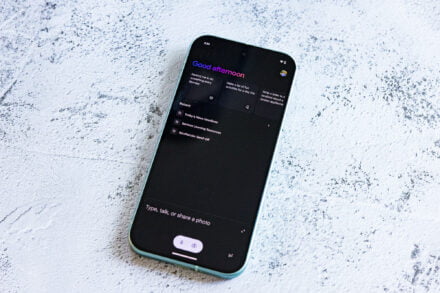
The Gemini app is included in the phone, with the option of a conversational method of interacting with the AI, and feels like the next generation of assistant that can go quite a bit further to help in a range of scenarios.
Final thoughts
The Pixel 9 is the most affordable new Pixel phone, and it’s impressive, with a few key upgrades like the increased RAM, rear cameras, and the new core AI features.
The RAM, in particular, makes a big difference, but the price is a little expensive for the most basic Pixel phone.
If you’re a longstanding Pixel fan, and upgrading from the Pixel 7, the new phone is an obvious choice. It’s a good step up, for a more affordable price. The 7 years of updates is also a great incentive.
If you have a little more money, the Pixel 9 Pro makes a compelling case with better cameras, especially, not to mention more RAM.
Pricing and availability
The Pixel 9 is available now, starting at $1,099.00 CAD for the 128 GB model, and the 256 GB model is available for $1,229. The phone is available in Obsidian, Porcelain, Wintergreen, and Peony.
The Pixel 9 Pro XL starts at $1,499.00 CAD, while the Pixel 9 Pro starts at $1,349.00 CAD and will be available this fall in Canada.
Google also announced the Pixel 9 Pro Fold, available on September 4, the Pixel Watch 3, available September 10, and the Pixel Buds Pro 2, available September 26.
Visit the Google Store to order.
All photos: W. Andrew Powell/The GATE.
