
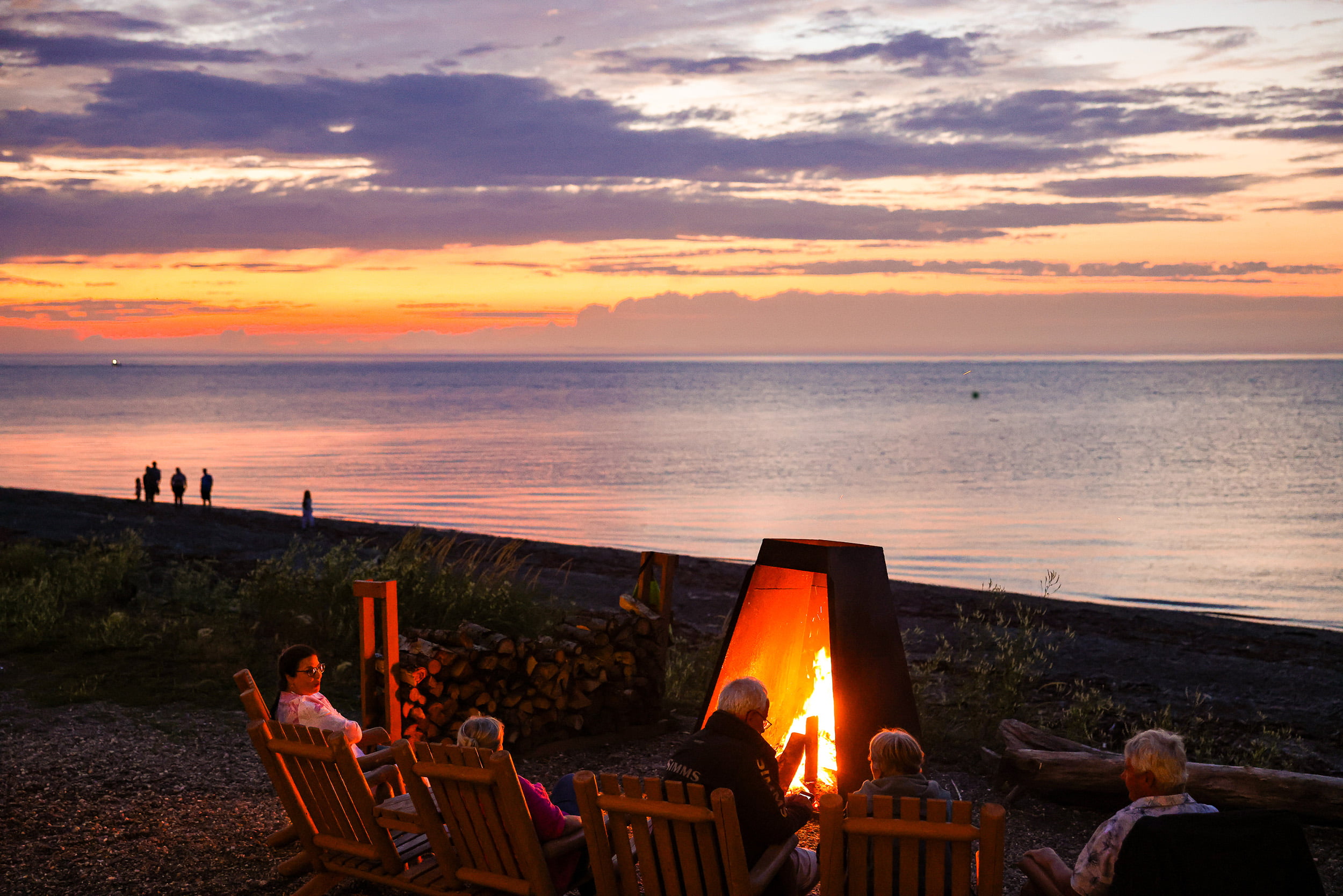
Quebec is a perfect destination for road trips, with vibrant places to discover around every corner, and one of my favourite areas to explore are the Quebec maritime regions. This drive take you along the coast, with rugged hikes, lots of small, friendly communities to visit, and so much to see and do.
From the Gaspésie, Bas-Saint-Laurent, and Côte-Nord regions, you can see lots of unique Canadian wildlife, go hiking and mountain biking, enjoy camping, go whale watching, dine on sea food and regional dishes, try brews from microbrasseries (micro-breweries), or just relax alongside the ocean, forests, and scenic spaces.
This road trip guide will focus on some of the highlights from these regions, my favourite moments and places when I drove along the scenic coast, and the route that I drove with a few other suggestions.
You can also watch my full road trip video from my trip through the beautiful Quebec maritime regions.
Planning your road trip
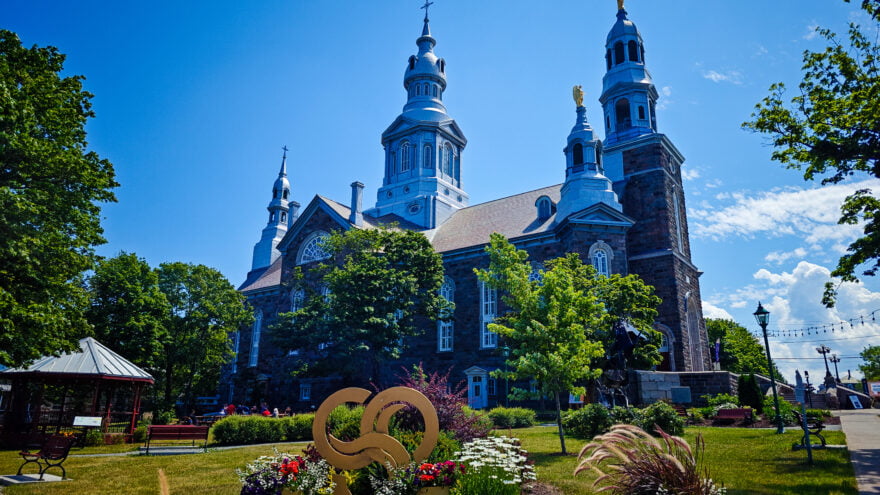
I started this trip travelling from New Brunswick, crossing from Campbellton, NB to Pointe-à-la-Croix, Quebec. Following highway 132, this route heads east along the coastline to Percé, north to Forillon National Park, and then following the St. Lawrence River west to Trois-Pistoles where I crossed to Les Escoumins, heading to Tadoussac.
View the whole route on Google Maps.
However, you can easily reverse this trip and travel from Quebec City to Tadoussac. Either way it’s an incredible road trip through a unique part of Quebec that is awe-inspiring at every turn.
This trip is ideal for a week-long trip, but you can easily make it longer, depending on how much time you decide to spend in each area. My trip through the regions was over 5 days, which is possible, but it is a little short. If you plan to have two nights, stopping in three main areas, you’ll have seven days to explore, and that will give you enough time to see and do a lot.
Summer and early fall is the perfect time to visit the regions, anywhere from the start of June to the first week of October. It’s best to book early, especially for accommodations, so I would recommend planning ahead about 4-6 weeks, ideally.
Most people in the areas speak French, and while some people only speak French, or speak a limited amount of English, I did meet a lot of people who spoke English fluently. It’s always wise though to learn some French if you can to make everything easier, particularly in small towns.
While this road trip goes through many smaller communities, there are lots of restaurants, places to stay, gas stations, and rest stops.
Starting in Bonaventure, as the first main stop, it’s a 5 hour and 30 minute drive from Fredericton, NB, 5 hours from Moncton, or 9 hours and 30 minutes from Montreal. It’s approximately a 6 hour drive between Montreal and Tadoussac, and just 3 hours to or from Quebec City.
If you want to combine this road trip with an other destinations, New Brunswick is a perfect addition to this trip, or consider time in Montreal, Quebec City, or Quebec’s Eastern Townships.
Bonaventure to Percé
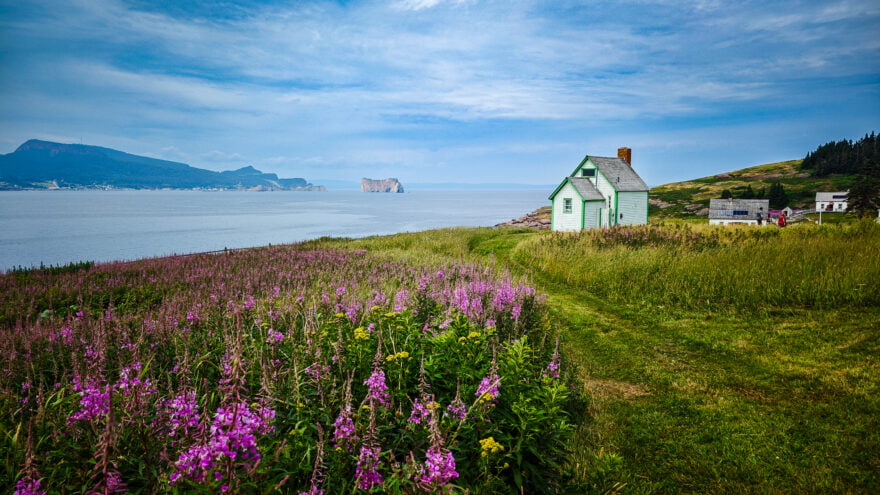
Starting this road trip in Bonaventure, you’ll drive beside the ocean, and there are a few stops on this route that are really breathtaking. You’ll pass Miguasha National Park, a number of charming small communities, and lighthouses like Phare de Pointe-Duthie.
On your first day though, to arrive with enough time to enjoy the drive, I recommend a stop around mid-day at Bioparc de la Gaspésie just outside Bonaventure. This small zoo has a variety of animals native to the Gaspésie region, so you can see seals, moose, bears, otters, and more, in natural habitats, with lots of interesting things for kids and families, including a farm animal petting zoo.
Driving further on highway 132, you can stop for a hike at Sentier de la Pointe-aux-Corbeaux, Parc Colborne, or grab a coffee at Mich Café in Chandler. There are also a number of scenic road side stops along this route before you reach the town of Percé.
Percé was a big highlight for me on my trip through the Quebec maritime regions, and I love the town, and all it has to offer. Driving through the area you can see Percé Rock and Bonaventure Island from miles around, while Percé UNESCO Global Geopark offers hiking trails and epic views over the town and Percé Rock. And there are lots of accommodations in town, as well as restaurants, and shops.
I highly recommend a trip by boat out to l’Île-Bonaventure-et-du-Rocher-Percé park, which not only has historic buildings and hiking trails, but one of the world’s largest colonies of Northern Gannets, estimated to be around 50,000 birds.
Boats depart Percé every 90 minutes starting at 9 AM, with the last boat back to town at 4 PM, and you should plan for a 2-3 hour hike on the island, if you want to see the bird colony. The island has a small cafe where you can get drink, snacks, and small bites.
Local restaurants and bars in town include Maison Black Whale, La Maison du Pêcheur, Pub Pit Caribou Percé, Le Surcouf, Buvette Thérèse, and La Table à Roland. There are also numerous hotels, motels, and inns in Percé.
Not far from town, you can also stay at Le Nordet, where I stayed during my trip. This former motel is now a cozy, modern property, with wood-panelled rooms, a contemporary look and feel, continental breakfast buffet, and they have a Nordic spa, and they offer kayaking trips at Pointe Saint Pierre nearby.
Forillon to Matane
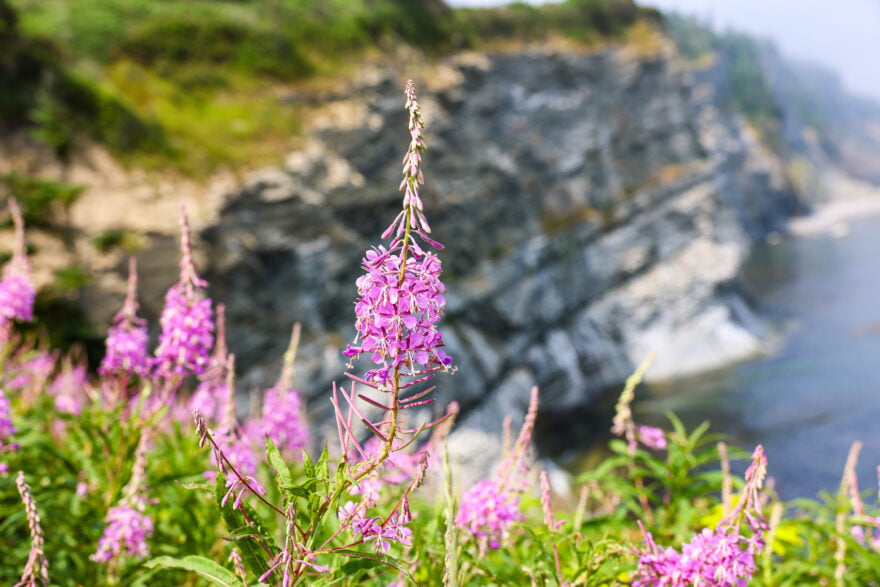
Forillon National Park is a little over an hour drive from Percé, and the park has hiking trails for just about anyone. At the park you can book camping sites, including oTENTik tents and micrOcube, and there are lots of activities. Consider sea kayaking with a professional guide, or biking, scuba diving, history and heritage sites to explore, and interpretive activities.
I really enjoyed exploring around Cap Gaspé, the stunning Cap-Bon-Ami, the relatively easy Sentier des Chutes, and there’s also Cap-des-Rosiers Lighthouse. Forillon is a very large park though, and you could easily spend a few days here, depending on how much you want to see and do. If you want to explore more, I would recommend at least one night nearby.
From Forillon it’s a 4 hour drive to Matane, one of the larger communities on this coastal drive along highway 132. This is a stunning route, with lots of small towns, quaint rest stops with impressive views of the ocean, parks, lighthouses, plus restaurants, and more.
On this route, Sainte-Anne-des-Monts has the most restaurants and other amenities, as well as places to stay, as one suggestion.
Riôtel Matane? is a perfect place to stay for a night or two, and explore this region. It’s a larger hotel with both an indoor and outdoor pool, sitting right on the beach, with a restaurant, a wide variety of rooms, free parking, and more. The sunsets from the beach here are absolutely stunning.
In town you can find restaurants, stores, bars, and it’s conveniently in the middle of this drive along the St. Lawrence River. Plan to have some seafood while you’re here, including lobster, and spend some time relaxing here for a night or two on this road trip. Local highlights nearby include the International Appalachian Trail, or the trails of the Grotte des fées.
Trois-Pistoles, Les Escoumins, and Grandes-Bergeronnes
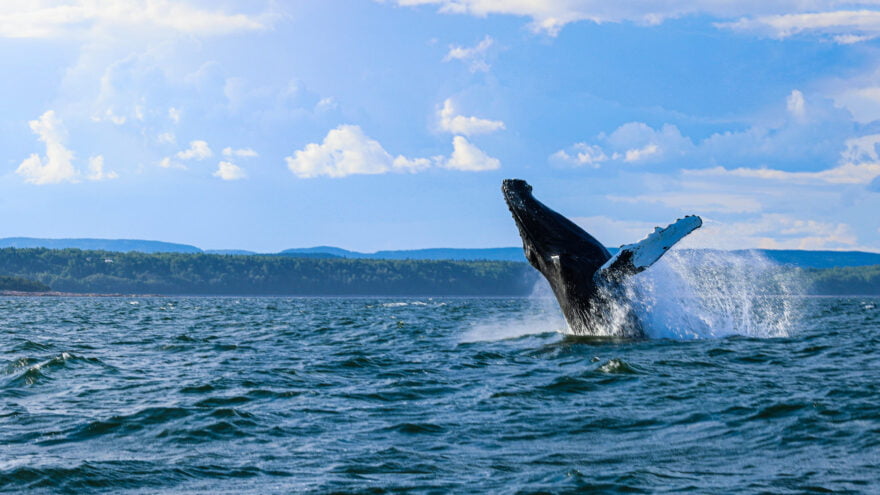
The next stop is on the north-west side of the St. Lawrence River, and the best way to cross is the ferry at Trois-Pistoles, heading to Les Escoumins. The drive from Matane is just under 2 hours to the ferry, and you should plan to pre-book your ticket, and arrive at least 30 minutes before the ferry departs to make sure you make it on board as it can be busy.
The town of Trois-Pistoles, or the town of Rimouski offer a variety of restaurants and services, if you want to make some stops. They’re also both good towns to stay in as well if you want to explore the region, with everything from golf and wildlife areas, to lakes, and more lighthouses.
The ferry to Les Escoumins takes 90 minutes to cross, and offers a small cafe onboard, lots of seating inside and out, plus you might even see some of the marine life that visits the area while you’re crossing, including seals, whales, and birds.
However the best place to see whales is on a whale watching trip in Les Escoumins, or along the St. Lawrence River in the Côte-Nord region. There are a number of whale watching companies here, but I recommend Croisières Essipit in Les Escoumins.
The whale watching excursion takes 2 hours, and you should arrive 45 minutes before departure to learn important information, and then get dressed in water-proof gear provided by the company. It can be quite cool out on the water, even in the peak of summer, so plan to bring a toque and gloves. If you want to bring a camera or binoculars, you should fit those under your big, orange jacket so they don’t get wet.
You can see a wide range of whales in the area along the Saguenay-St. Lawrence Marine Park, including blue, minke, fin, and humpback whales, and it’s a remarkable experience. Just keep in mind that there’s no way to guarantee you will see whales on an excursion, but it is very likely in this area.
After this thrilling, amazing experience, plan to stay in the area, either in Grandes-Bergeronnes, or Tadoussac. Auberge la Rosepierre is a great place in Grandes-Bergeronnes, and they have comfortable rooms, plus a very popular restaurant, bistro Henri.
Tadoussac
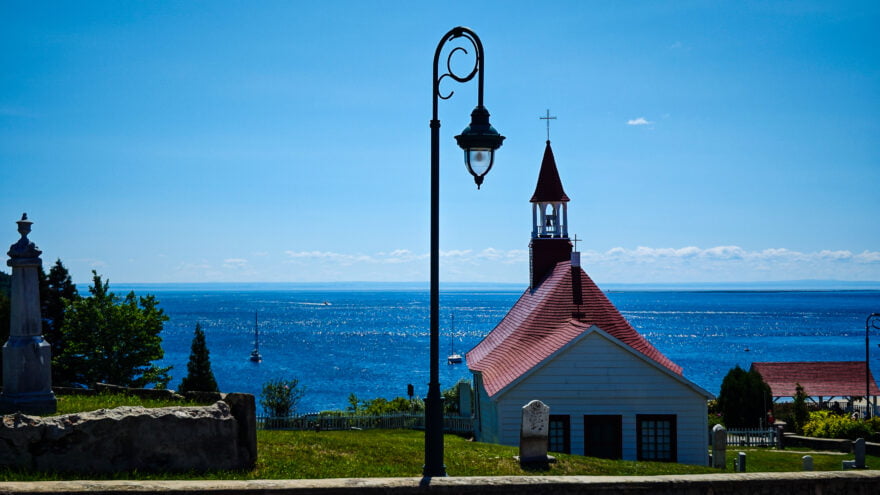
Tadoussac is the perfect place to finish this amazing road trip. It’s a charming, beautiful, and fun place with a lot to do, and a number of places to stay and dine.
For activities, be sure to visit the Marine Mammal Interpretation Centre, where you can learn about the whales in the region. The centre has an impressive and immersive experience you can enjoy, as well as a short film on the beluga whales that live in the area year-round.
There’s a large beach in town, looking across the beautiful the harbour; Islet Point, an impressive half hour walking trail with unmatched views; two cafes and a museum, plus restaurants, bars, and parks.
Microbrasserie Tadoussac is a great place to enjoy a local beer and a bite to eat, or get an iced coffee from Café l’Abri Côtier, and enjoy one of their sandwiches and a salad.
And when it’s time to leave, the Tadoussac ferry is free, taking you across the river to Baie Ste-Catherine for your drive on to Quebec City or Montreal.
Where to stay in the regions
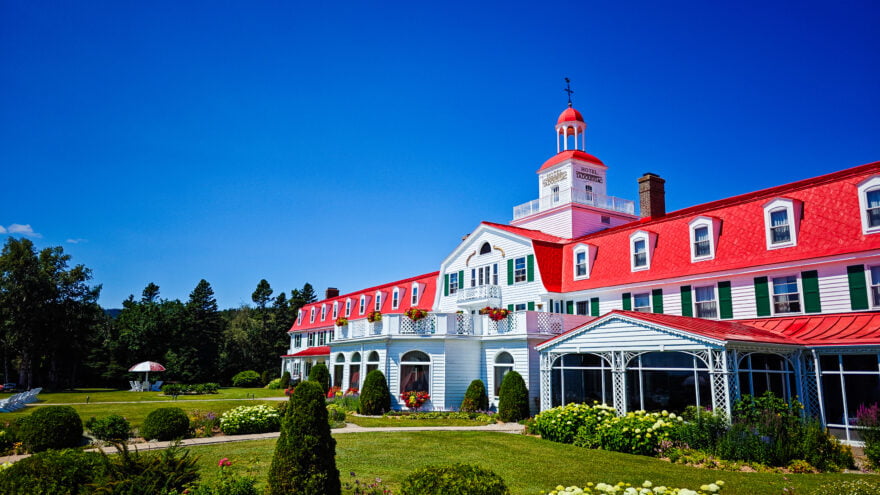
One of the great things about this road trip is that there are a lot of places to stay throughout the journey. It’s a popular route for camping and RVs, and there are hotels, motels, and inns, too.
The biggest towns have places to stay, but you can find and search accommodations through Le Quebec Maritime, by type, or region.
Or search these helpful maps for places to stay: Percé, Matane, Les Escoumins, and Tadoussac.
More information
Le Quebec Maritime has a wide range of guides, information, and suggestions for road trips through the regions, including road trips from 4-7 days. Plus, watch my video below on the whole trip.
Visit the official tourism sites for Gaspésie, Bas-Saint-Laurent, and Côte-Nord for more details on each of these regions, and activities, places to stay, and other highlights.
Have any questions or want to learn more? Leave a question or a comment below, or on my YouTube video and I’ll get back to you.
All photos: W. Andrew Powell/The GATE.
With thanks to Le Quebec Maritime for working with us on this trip. This post is sponsored, but all opinions are my own.
